



NFF President Gusau, Other Board Members Resign Amid Pressure Over Football Failures and N17bn Fund Probe
 West Africa WeeklyAugust 27, 20262 Mins read606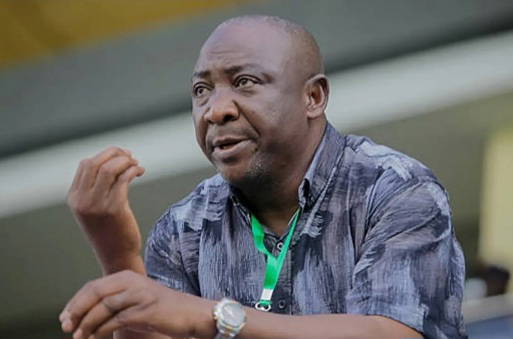
The President of the Nigeria Football Federation (NFF), Ibrahim Gusau, and several members of the federation’s executive committee have resigned from their positions, marking a major shake-up in Nigerian football administration following a series of international failures and growing scrutiny over the management of public funds.
According to Vanguard, eight of the 13 members of the NFF board have stepped down, leaving the federation’s leadership in disarray and casting uncertainty over its scheduled September 27 elections in Lafia, Nasarawa State. The mass resignation was reportedly triggered by the Super Falcons’ historic failure to qualify for the 2027 FIFA Women’s World Cup. Nigeria had participated in every edition of the Women’s World Cup since the tournament began in 1991, making this the first time the country will miss the global showpiece. The Falcons lost 1-0 to Cameroon in the 2026 Women’s Africa Cup of Nations quarter-finals, ending their title defence and forcing them into a playoff path. They subsequently lost 2-1 to South Africa’s Banyana Banyana in the Women’s World Cup qualification playoff, sealing their absence from the tournament.
The NFF board had come under intense pressure following the poor management of Nigerian football. The Super Eagles also failed to qualify for back-to-back World Cups, missing out on the 2026 edition. The setbacks have intensified public criticism of the NFF’s leadership and football development structure. In addition to the on-field failures, the federation has been under investigation over the utilisation of a N17 billion Federal Government intervention fund approved by President Bola Tinubu in 2024 to clear outstanding wages and bonuses owed to Nigeria’s national teams. The Department of State Services (DSS) joined other security operatives in investigating the NFF over the fund, examining documents to determine what was done with the massive allocation. Multiple reports have also linked the NFF to investigations by anti-graft agencies, including the Economic and Financial Crimes Commission (EFCC) and the Independent Corrupt Practices Commission (ICPC), over alleged mismanagement of funds.
NFF General Secretary Dr Mohammed Sanusi confirmed his resignation, telling Daily Sunspots: “Yes, the news about the resignation of the president and myself is true.” Gusau, however, had earlier dismissed claims of pressure during a public appearance at the unveiling of the Nigerian Premier Football League, insisting he was focused on ongoing duties at the federation.
The resignations come just weeks before the NFF elective congress scheduled for September 27, a vote expected to determine the next leadership direction for Nigerian football. The development has also thrown up the need for a normalisation committee to take charge of the NFF for a period of three months and conduct fresh elections for a new executive. However, the National Sports Commission (NSC) is reportedly split over who to name as Normalisation Committee Chairman, with NSC Chairman Shehu Dikko favouring Musa Ahmadu while Director-General Bukola Olopade prefers Amaju Pinnick.
The departure of more than half of the board members leaves Nigerian football facing a leadership vacuum at a time when the federation is already under pressure to address the performance of the national teams, financial accountability and preparations for upcoming international competitions.
About The Author

Related Articles
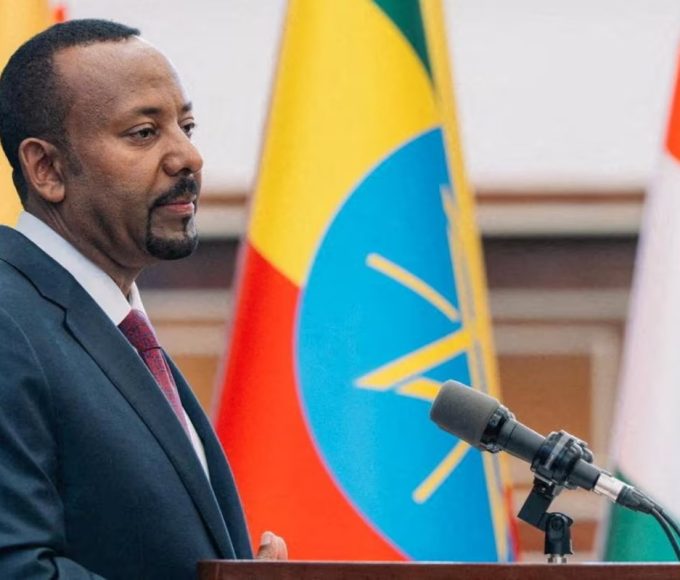
Ethiopia Opens Its First Gold Refinery With $50 Million Investment
Ethiopia has inaugurated its first national precious metals refinery, a $50 million...
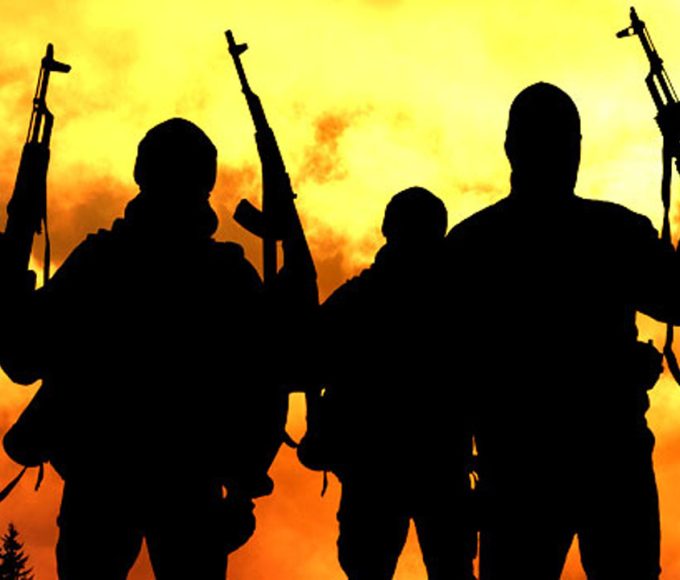
Gunmen Kill Worshippers in Kaduna Churches as Intersociety Says 3,083 Christians Killed in Eight Months
At least seven worshippers were killed and several others abducted when armed...
Ghana and US Crack Down on $10m Cyber Scam Network as Credit Dispute Erupts
Ghanaian and United States authorities have dismantled a major cybercrime operation in...

US Builds Largest Consulate in the World in Lagos While Visa Ban Keeps Nigerians Out
The United States is constructing its largest consulate in the world in...
Leave a comment