






Ethiopia Opens Its First Gold Refinery With $50 Million Investment
 West Africa WeeklyOctober 12, 20262 Mins read10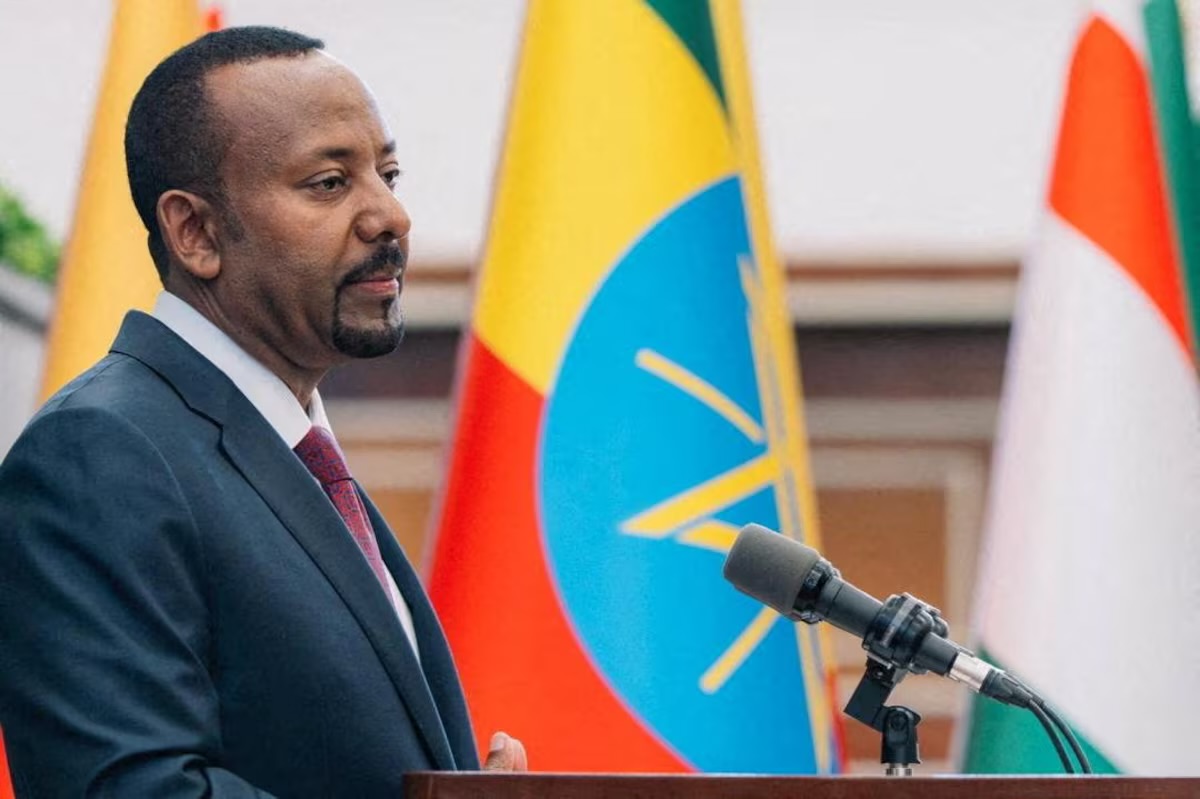
Ethiopia has inaugurated its first national precious metals refinery, a $50 million joint venture aimed at turning the East African nation into a regional processing hub for gold and other precious metals. Prime Minister Abiy Ahmed announced the launch of the National Precious Metals Refinery at the Bole Lemi Special Economic Zone on the outskirts of Addis Ababa on October 10, 2026.
The facility was established through a partnership between state-owned Ethiopian Investment Holdings, which holds a 51 per cent majority stake, and Dubai-headquartered Sam Precious Metals, which owns the remaining 49 per cent. It has an announced annual processing capacity of more than 600 tonnes of precious metals, covering gold and silver collectively rather than gold alone.
Abiy said the refinery will increase export earnings, create skilled jobs, support the jewellery industry and foster a more transparent and competitive gold value chain. “With a capacity to process over 600 tonnes of precious metals annually, the refinery marks a major milestone in advancing domestic value addition, strengthening Ethiopia’s mining sector, and positioning our country as a regional hub for precious metals refining,” he said. The refinery will provide services including melting, testing, refining, casting, bar minting and die-making.
The Prime Minister said the facility could serve neighbouring countries and mining companies across Africa, offering refining, testing and certification services closer to where metals are extracted. “It enables neighbouring countries and regional mining companies to bring their gold to Ethiopia for advanced refining, certification, value addition, and sale, eliminating the need to export it outside the continent,” Abiy said in a post on social media platform X.
Gold has become Ethiopia’s most important export. The country generated $5.5 billion in gold export earnings during the 2025/2026 fiscal year that ended in July, accounting for approximately half of its $11 billion in total export revenue. Commercial and artisanal miners produced a combined total of 44 tonnes of gold across the country’s key gold-producing regions, according to data from the Ethiopian Ministry of Mines.
The new facility provides an opportunity for Ethiopia to process more of that gold domestically rather than relying on overseas refineries. The International Monetary Fund reported in July 2026 that chartered flights had been used to transport raw Ethiopian gold to Dubai, which it identified at the time as the sole refining destination and importer of Ethiopian gold. The IMF projected gold export volumes of approximately 30 tonnes in 2025/26, down from 39 tonnes in 2024/25, a decline attributed partly to the depletion of gold inventories accumulated during the Tigray conflict.
The government has recently designated the mining sector as one of the country’s five primary economic pillars. The National Bank of Ethiopia remains the country’s sole authorized gold exporter, according to the central bank. Sam Precious Metals, the project’s private partner, already offers gold and silver refining, minting and testing services through its operations in Dubai and Cairo, giving the project a partner with an existing refining business and international commercial relationships.
The refinery’s stated annual capacity is considerably larger than Ethiopia’s projected gold export volume. However, the figures are not directly comparable because the facility is designed to process precious metals potentially including material from other countries, while the IMF projection covers Ethiopia’s gold exports alone. The opening statements did not name regional customers or establish how much metal the refinery is currently handling.
Ethiopia’s launch of the refinery follows a broader trend across Africa, where countries including Burkina Faso, Mali, Ghana, Guinea and Ivory Coast have moved to increase domestic processing of their mineral resources, ban exports of raw materials and capture a larger share of the value chain. For Ethiopia, the commercial challenge now is securing enough metal to use the plant’s capacity and persuading producers across the region to bring their gold to Addis Ababa instead of shipping it to Dubai.
About The Author



Related Articles

How the Multi-Trillion Naira Coastal Road Became an APC Cash Cow Just Like the Notorious Nigeria Air Aviation Scandal
The ruling All Progressives Congress is facing an intense wave of public...

Gunmen Kill Worshippers in Kaduna Churches as Intersociety Says 3,083 Christians Killed in Eight Months
At least seven worshippers were killed and several others abducted when armed...

Ghana and US Crack Down on $10m Cyber Scam Network as Credit Dispute Erupts
Ghanaian and United States authorities have dismantled a major cybercrime operation in...


US Builds Largest Consulate in the World in Lagos While Visa Ban Keeps Nigerians Out
The United States is constructing its largest consulate in the world in...
Leave a comment