






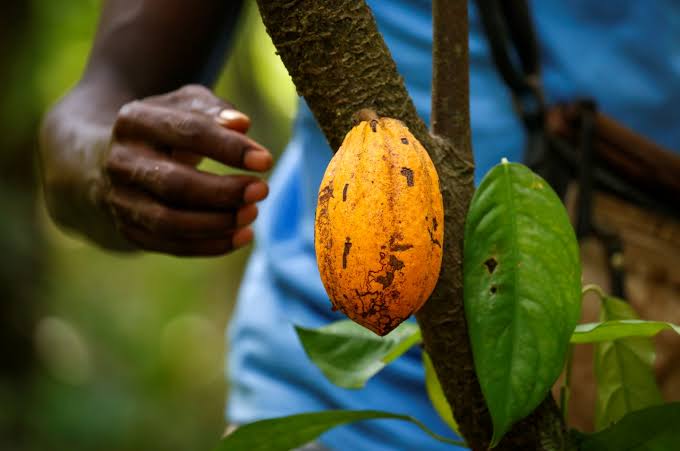
Across the sun scorched cocoa belt of Ivory Coast, farmers are looking anxiously at the sky. The world’s top cocoa producer is in the middle of its rainy season, but last week, rains were mainly below average in most growing regions. On Monday, growers said more moisture is urgently needed to boost the quality of beans for the March to August mid crop.
The weather is not yet putting trees at risk. Farmers who spoke to Reuters around the country said the trees are bearing a good mix of small, average, and large pods. Harvesting has started to pick up, and many pods are expected to be reaped between May and July. But the consensus is clear: without regular and abundant rains in the coming weeks, the size and quality of the beans will suffer.
In the west central region of Daloa and the central regions of Bongouanou and Yamoussoukro, rainfall was below average last week. There is some relief from the heat, which helps dry already harvested beans, but the trees themselves remain thirsty. Albert N’Zue, a farmer near Daloa, said the conditions are a double edged sword. It is very hot, he explained. The beans are well dried, but the trees need enough rain for the rest of the mid crop season. His region recorded just 9.7 millimetres of rain last week, nearly 12 millimetres below the five year average.
The situation varies across the country. In the western region of Soubre and the eastern region of Abengourou, rains were above average, offering a glimmer of hope. Yet even there, farmers say consistent downpours are still required to improve the beans growing inside the pods. Kouassi Kouame, who farms near Soubre where 28.6 millimetres of rain fell last week, put it plainly. We need plenty of steady rain to grow large, high quality beans, he said.
This anxious wait for April rains comes against a backdrop of deep crisis for Ivory Coast cocoa farmers. Global cocoa prices have collapsed over the past year, falling by more than half from the record highs of 2024. The government has slashed the farmgate price by 57 percent to 1,200 CFA francs per kilogram, a move that has left many growers struggling to break even. Some farmers have even abandoned their pods, unable to afford the cost of harvesting.
Climate change is making life harder still. A recent analysis by Climate Central found that human induced warming has added about 40 days of extreme heat every year to West Africa. Farmers are now battling climate whiplash, a volatile swing between scorching droughts and erratic flooding. The region has also seen a global cocoa surplus forecast for the 2025/26 season, which has further depressed prices. Analysts at StoneX project a surplus of 287,000 metric tonnes, raising stock to demand ratios to near 40 percent.
For now, the farmers of Ivory Coast remain in a holding pattern. The sky is often cloudy, and many expect more precipitation in the coming weeks. But hope is tempered by experience. The weekly average temperature across the country last week ranged from 29 to 33.2 degrees Celsius. Until the rains come, and come steadily, the quality of the mid crop and the livelihoods of those who depend on it hang in the balance.
About The Author







Leave a comment