



Ghana’s Mahama Pledges End to Foreign-Funded Cocoa Purchases
 West Africa WeeklyFebruary 16, 20262 Mins read716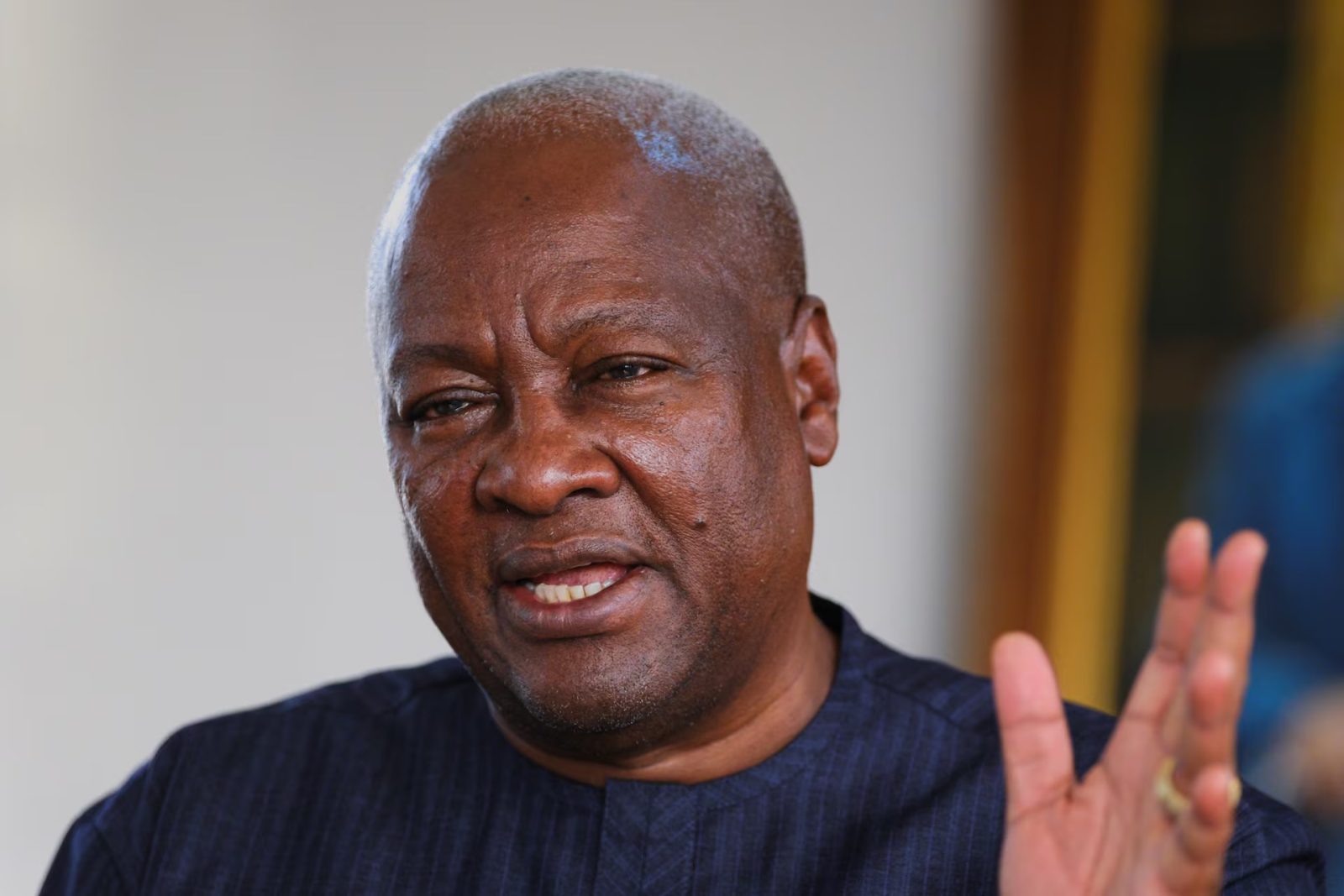
Ghana’s President John Dramani Mahama has announced an ambitious plan to end foreign financing for cocoa purchases and ensure that all of the country’s minerals are processed locally by the end of the decade.
The announcement forms part of a broader economic strategy aimed at reducing reliance on external funding and increasing the value Ghana earns from its natural resources. Speaking at a public event, Mahama said the country must move beyond exporting raw materials and instead focus on building local industries that create jobs and generate higher revenues.
Ghana is the world’s second-largest cocoa producer and a major gold and other mineral exporter. Despite this wealth, much of the economic value from these resources is captured abroad, where cocoa is turned into chocolate and minerals are processed into finished products.
For years, Ghana has relied on foreign loans and credit arrangements to finance the annual purchase of cocoa beans from farmers. Under Mahama’s new plan, the government aims to phase out that model and rely more on domestic financing.
Officials say the shift is intended to reduce the country’s exposure to external debt and give it greater control over one of its most important export sectors. It also reflects a wider push across several African countries to retain more value from their natural resources.
READ MORE: Niger Plans Return of Seized Uranium as Tensions with France Continue
The second part of Mahama’s plan focuses on minerals. By 2030, the government wants all minerals mined in Ghana to undergo at least some level of local processing before export. The goal is to build a stronger industrial base and reduce the long-standing dependence on raw material exports.
Economists say the policy could have far-reaching implications if successfully implemented. Local processing of minerals and cocoa could create thousands of jobs and stimulate new industries, from refining to manufacturing.
However, the plan will require significant investment in infrastructure, energy, and industrial capacity. Processing plants, a reliable power supply, and skilled labour will all be needed to make the transition work.
Mahama’s announcement comes at a time when Ghana, like many countries in the region, is facing economic pressures, including debt challenges and currency fluctuations. By focusing on value addition, the government hopes to strengthen the country’s economic resilience.
If the plan succeeds, Ghana could emerge as a major hub for cocoa processing and mineral refining in West Africa. For now, the proposal signals a clear shift in policy, placing local industry and resource control at the centre of the country’s economic future.
About The Author


Related Articles
How the Multi-Trillion Naira Coastal Road Became an APC Cash Cow Just Like the Notorious Nigeria Air Aviation Scandal
The ruling All Progressives Congress is facing an intense wave of public...
Ethiopia Opens Its First Gold Refinery With $50 Million Investment
Ethiopia has inaugurated its first national precious metals refinery, a $50 million...

Gunmen Kill Worshippers in Kaduna Churches as Intersociety Says 3,083 Christians Killed in Eight Months
At least seven worshippers were killed and several others abducted when armed...


Ghana and US Crack Down on $10m Cyber Scam Network as Credit Dispute Erupts
Ghanaian and United States authorities have dismantled a major cybercrime operation in...
Leave a comment