



Edo Governor Who Confused Million and Billion During Budget Speech Sees Domestic Debt Surge N59 Billion, State Now Sixth Most Indebted in Nigeria
 West Africa WeeklyAugust 14, 20262 Mins read500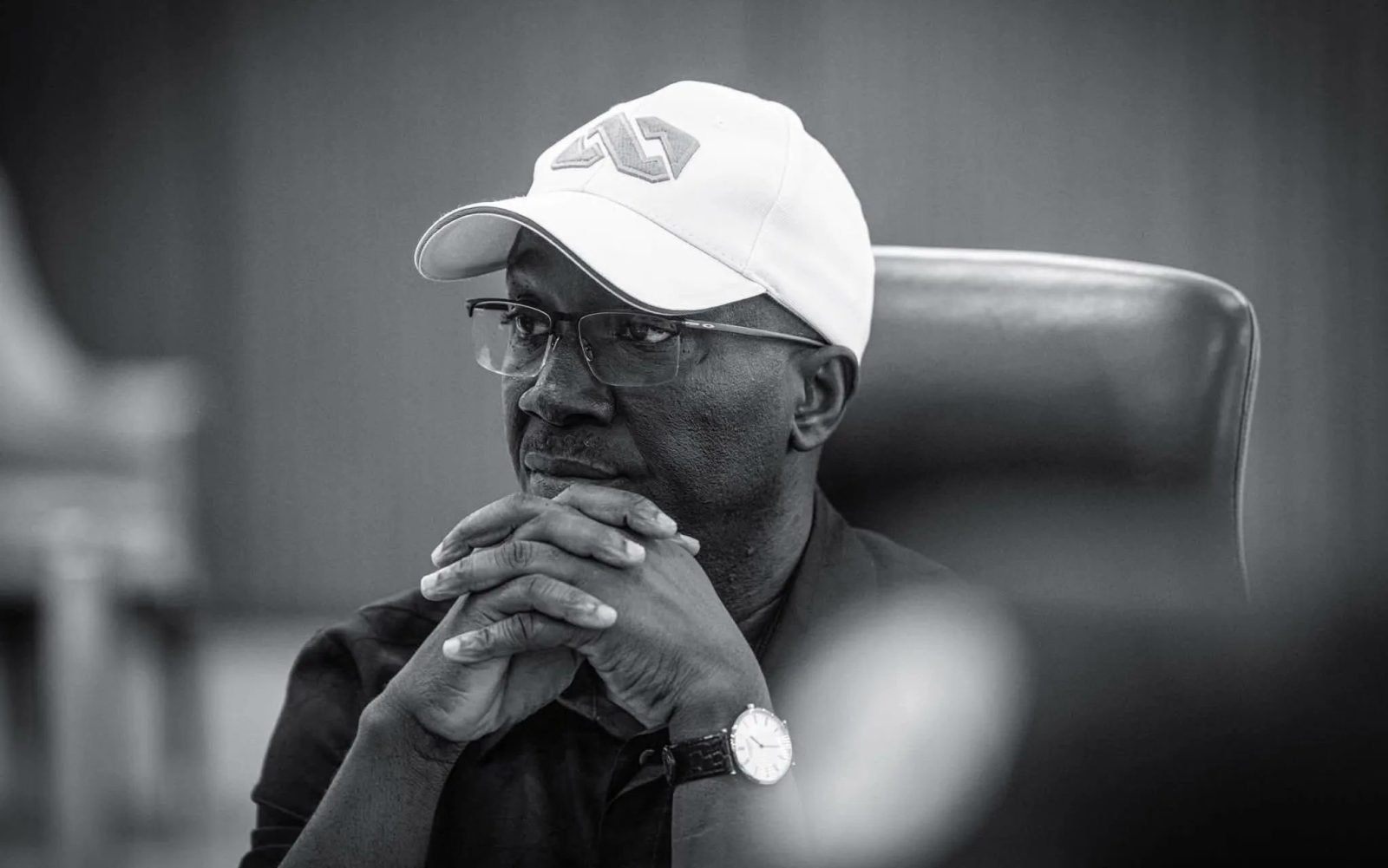
Edo State’s domestic debt has surged by N59.37 billion under Governor Monday Okpebholo, catapulting the state from 12th to sixth among Nigeria’s most indebted states in just 15 months, a development made all the more striking by the governor’s well-documented struggle with basic financial figures during his 2025 budget presentation.
According to the latest data from the Debt Management Office, Edo’s domestic debt climbed from N113 billion at the end of December 2024 to N172.37 billion by March 2026. The sharpest increase came in the first quarter of 2026, when the debt stock surged by N81.19 billion between December 2025 and March 2026, representing an 89 per cent increase in just three months. That single-quarter borrowing pushed Edo six places up the DMO’s ranking of domestic indebtedness.
The borrowing began in the third quarter of 2025, when the state obtained a N10.64 billion loan. But the major acceleration came in the first quarter of 2026, when the Edo State Government obtained a N46.71 billion loan from commercial banks, representing more than half of the N81.19 billion increase in the state’s domestic debt stock between December 2025 and March 2026. However, the figures show that the increase in debt cannot be explained by the commercial bank borrowing alone, leaving a significant portion of the movement requiring further explanation from the state government’s fiscal records.
The rising debt has also translated into huge debt-servicing obligations. In 2025, Edo’s public debt charge stood at N43.73 billion, including N13.73 billion paid as interest on foreign borrowing and N7.33 billion on domestic loans. In the first three months of 2026 alone, the government spent N12.79 billion on public debt charges, nearly 30 per cent of the total spent in the whole of 2025.
READ MORE: Ghana Traders Question New Defence Deal with Burkina Faso Over Security Concerns
The debt surge comes from the same governor who, during his 2025 budget presentation at the Edo State House of Assembly in December 2024, stumbled repeatedly over the figures for the N605 billion appropriation bill. In a viral video that drew widespread ridicule, Okpebholo was heard saying: “The Edo State 2025 Appropriation Bill of 6 billion… 650… 605 billion… 76 thou… 76 million…” He then paused and tried again: “Let me take it again. 506 billion… 605 billion… sorry… 776 billion… sorry, it’s confusing me.” The Speaker of the House had to call for order, saying: “Order the House, please. Mr Speaker must be heard in silence, please.” When the governor finally settled on the figure, he concluded: “605 billion and details of the budget proposed… proposal for your consideration and approval. Thank you for your kind consideration.”
The APC Chairman in Edo State, Jarrett Tenebe, defended the governor, saying: “That is how to know original and innocent people. Monday is not a thief, so he’s not familiar with figures.” He added: “Anybody who does not like his face should go to hell and burn to ashes.” This is not the first time Governor Okpebholo has made such an error. In February 2026, he struggled to pronounce President Bola Tinubu’s official national honour title, referring to him as “GFSR” instead of the correct “GCFR” (Grand Commander of the Federal Republic).
The development places the financing of government expenditure under Governor Okpebholo under renewed scrutiny, particularly as the state takes on notably more domestic obligations. At the end of December 2024, Edo was the 12th most indebted state in the country by domestic debt. In just 15 months, by March 2026, it had moved to sixth position, placing it among the six states with the highest domestic debt exposure in the country. Governor Okpebholo was sworn in on 12 November 2024, succeeding Godwin Obaseki. He had previously criticised his predecessor’s debt record. As a senator in August 2024, Okpebholo claimed that Edo’s debt profile at the time was over N573 billion. Now, under his own watch, the state’s domestic debt has risen sharply, and fiscal analysts are questioning where the borrowed funds have gone and whether the state can sustain its mounting debt-service obligations.
About The Author



Related Articles

Barrick Reaches Deal With Mali Unions to Avert Strike at Loulo-Gounkoto as Government Tightens Grip on Gold
Barrick Mining has signed a new collective bargaining agreement with unions at...
Guinea-Bissau’s Ousted President Embalo to Return From Exile and Run in December Election
Guinea-Bissau’s exiled former president, Umaro Sissoco Embalo, has announced that he will...

Aaron Greenspan Accuses Tinubu of Lying to Court Over 1993 Political Status in FOIA Case
Aaron Greenspan, who is pursuing a Freedom of Information Act lawsuit against...


Nigeria Grows 2.3 Million Tonnes of Tomatoes and Still Spends $360 Million Importing Paste
Nigeria is Africa’s second-largest tomato producer. The country grows about 2.3 million...
Leave a comment