






Nigeria Grows 2.3 Million Tonnes of Tomatoes and Still Spends $360 Million Importing Paste
 West Africa WeeklySeptember 29, 20263 Mins read18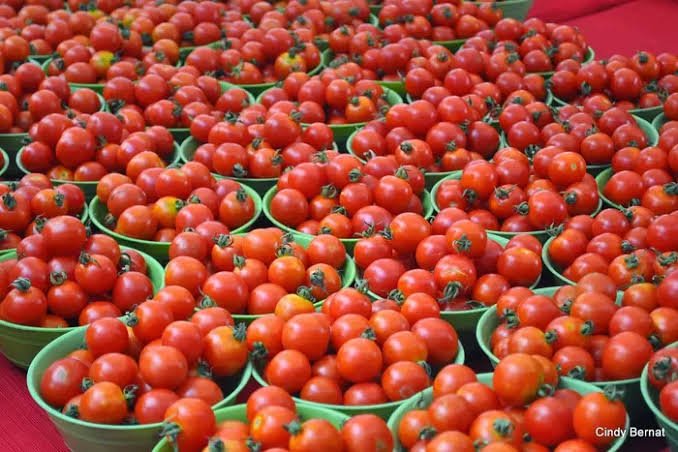
Nigeria is Africa’s second-largest tomato producer. The country grows about 2.3 million tonnes of tomatoes every year, and its farmers account for roughly 65 per cent of all tomatoes produced in West Africa. Yet Nigeria is also Africa’s third-largest importer of tomato paste, spending about $360 million annually to bring in concentrate from China and Italy. The tomato is here. The system is not.
The numbers tell a story of enormous waste and missed opportunity. National demand for tomatoes stands at about three million tonnes, leaving a gap of roughly 700,000 tonnes. That gap is filled by imports of about 150,000 tonnes of tomato paste. Nigeria is ranked as the 13th largest importer of tomato paste in the world, buying back processed products made from the same crop it exports in raw form.
The problem begins on the farm. Nigerian farmers achieve average yields of between four and ten tonnes per hectare. The global average is 38 tonnes per hectare. Egypt, Africa’s largest producer, gets 38.7 tonnes per hectare. South Africa reaches 78.7 tonnes per hectare. The same land in Nigeria could produce five to nine times more if farmers had access to better seeds, proper irrigation and modern farming practices. The National Horticultural Research Institute has developed new varieties that can yield up to 27 tonnes per hectare, but most farmers still plant old varieties that produce a fraction of that.
Then the harvest is lost. Up to 50 per cent of Nigeria’s tomato crop rots before it reaches the consumer. The losses occur at every stage. Farmers use raffia baskets that crush the fruit during harvest. Trucks travel hundreds of kilometres from Kano and Kaduna to Lagos without refrigeration. An estimated 41 per cent of the tomatoes are lost during transportation alone. By the time the tomatoes arrive at the market, many are damaged beyond sale. The absence of cold storage facilities, poor roads and the lack of an efficient cold chain system mean that only about 75 per cent of what is harvested actually gets to the market.
The most glaring example of the broken system is the Dangote Tomato Processing Factory in Kadawa, Kano. Aliko Dangote invested $20 million in what was described as Africa’s largest tomato processing plant, with a capacity to process 1,200 tonnes of fresh tomatoes per day. The factory was built to reduce Nigeria’s reliance on imported paste and to provide a market for local farmers. It never worked as planned. The plant needed 40 truckloads of fresh tomatoes every single day to run at full capacity, but it could not get enough supply. Pests, poor harvests and the diversion of tomatoes to the fresh market left the factory operating at just 20 per cent of its capacity. It shut down within two years of opening. When it restarted in 2019, it was processing just 100 tonnes a day. By 2026, the factory had been idle for four years. The former managing director, Abdulkarim Kaita, said the company could not compete with smuggled tomato paste from China, which contains starch, flour and only about 10 per cent tomato, yet sells for a fraction of the price of locally produced paste.
Cheap imports beat the local factory. Smuggling beat the tariff. And Nigerian farmers were left without a reliable buyer for their crops. The government’s policies have not helped. Import waivers granted to companies bringing in concentrate have reduced demand for local tomatoes. Smuggling through the borders has continued unchecked, flooding the market with substandard products and undermining any local processor trying to use 100 per cent fresh tomatoes. At the same time, the high cost of energy, poor infrastructure and inconsistent government support have made it nearly impossible for local processing to survive.
The solution is not complicated. Nigeria needs modular processing plants located near farms, not one giant factory that depends on a supply chain that does not work. Small processing units that crush fresh tomatoes into paste within the farming clusters would reduce transportation losses and provide a ready market for farmers. The country needs cold storage facilities at aggregation points, plastic crates instead of raffia baskets, better seeds, improved irrigation and access to affordable finance for farmers. It needs to fix the roads that connect the farms to the markets. It needs to stop the smuggling that is killing local production.
The tomato is here. The demand is here. The land is here. The farmers are here. What is missing is a system that connects them. Nigeria has been talking about fixing the tomato value chain for decades. The country has spent millions on factories that were built too big for the supply chain. It has imported billions of dollars in paste while its own harvest rots on the road. Until the government treats agriculture as a value chain rather than a political talking point, Nigeria will remain a country that grows tomatoes and buys tomato paste.
About The Author


Related Articles

Burkina Faso Opens First Gold Refinery to Process Its Own Gold
Burkina Faso has opened its first gold refinery, a move the military...

Nigeria and Uganda Signed US Health Deals Giving Access to Medical Records as Ghana Rejected Similar Pact
Nigeria and Uganda signed health agreements with the United States in December...

Niger Accuses France and Ukraine of Backing Proxies to Attack Its Territory in Fiery UN Speech
Niger’s representative at the United Nations General Assembly has accused France and...


Sidya Touré, Guinea’s Former Prime Minister and Leading Opposition Figure, Dies in Paris at 81
Sidya Touré, a former prime minister of Guinea and one of the...
Leave a comment