



Nigeria and Uganda Signed US Health Deals Giving Access to Medical Records as Ghana Rejected Similar Pact
 West Africa WeeklySeptember 29, 20262 Mins read18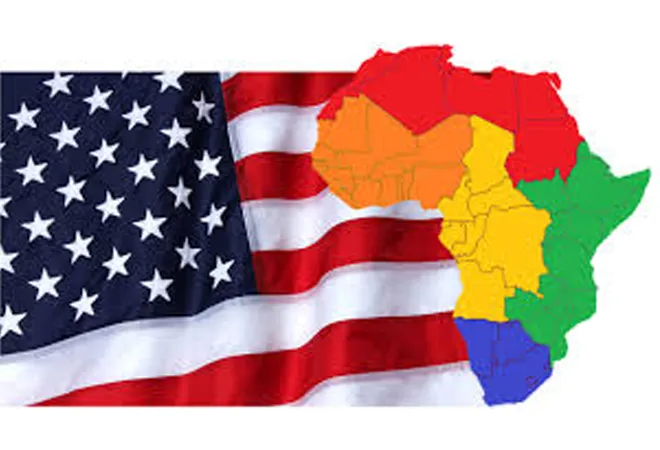
Nigeria and Uganda signed health agreements with the United States in December 2025 that give Washington access to sensitive health data, pathogen specimens and medical records. Ghana rejected a similar deal, with President John Dramani Mahama describing the conditions as humiliating.
Nigeria signed a $5.1 billion health agreement with the United States on December 19, 2025. The deal runs from April 2026 to December 2030. It allows the collection and transfer of health information of Nigerians, including medical records, blood samples, pathogen testing and DNA sequencing to the United States. A separate specimen-sharing agreement requires Nigeria to provide biological samples and data to the US within five days of a request. That agreement could remain in force for up to 25 years. The US can share the specimens and data with up to ten non-US government entities that can develop diagnostics or medical countermeasures. Nigeria is expected to contribute $3 billion of the $5 billion over five years, while the US provides nearly $2.1 billion in grant funding. The deal covers HIV, tuberculosis, malaria, maternal and child health and polio. It also provides about $200 million in support for Nigeria’s more than 900 faith-based clinics and hospitals. The agreement was negotiated alongside reforms to prioritise protecting Christian populations from extremist violence.
A Nigerian lawyer, Okpi Bernard Adaafu, filed a suit at the Federal High Court in Abuja in March 2026 challenging the agreement. He argued that it violates the National Health Act 2014, the Nigeria Data Protection Act 2023 and Section 37 of the Constitution, which guarantees the privacy of citizens. Health Minister Muhammad Ali Pate described the deal as a nonbinding MOU and said any data sharing would have to follow Nigerian laws and policies.
Uganda signed a $2.3 billion health agreement with the United States on December 10, 2025. The deal provides health funding and technical support in exchange for co-financing, access to health data, pathogen specimens and national health system information. Uganda committed over $500 million to the programme. The agreement covers HIV/AIDS, tuberculosis, malaria, maternal and child health, disease surveillance and emergency preparedness. Uganda’s Parliament has demanded a review of the deal. Deputy Speaker Thomas Tayebwa directed the Health Committee to conduct a comprehensive review. Lawmakers raised concerns about privacy and sovereignty and whether ministers gave them enough information before signing. Attorney General Kiryowa Kiwanuka has defended the deal as legally sound.
Ghana rejected a similar health compact offered by the United States. President Mahama said the conditions were humiliating. The proposed compact would have provided about $109 million in health support over five years. It required Ghana to hand over its pathogen profile, give the US access to its medical records, commit a set amount as counterpart funding, and exempt medicines supplied under the programme from inspection by Ghana’s Food and Drugs Authority.
Mahama spoke at the Council on Foreign Relations in New York on September 25, 2026. He said the Cabinet rejected the compact in record time. He disclosed that the withdrawal of $174 million that had been programmed into Ghana’s budget created a $74 million annual shortfall in the health sector. This affected HIV and AIDS testing laboratories and the provision of antiretroviral drugs. Mahama said the withdrawal led to the creation of the Accra Reset, an initiative aimed at achieving health sovereignty by producing more medicines and vaccines on the continent.
The agreements are part of the America First Global Health Strategy. The US has signed MOUs with more than 30 nations worth $20.6 billion since December. These deals grant five years of funding in return for a pledge to provide up to 25 years of patient data and, in some cases, pathogenic specimens. Human Rights Watch has assessed seven of the agreements and concluded that the US government is conditioning lifesaving health assistance on broad access to surveillance data and extractive rights to pathogen samples and data for pharmaceutical development. Patient data can be shared with US pharmaceutical companies even without patient consent. Ghana, Zambia and Zimbabwe have publicly rejected the deals, saying they violate patient privacy and national sovereignty.
About The Author

Related Articles

Nigeria Grows 2.3 Million Tonnes of Tomatoes and Still Spends $360 Million Importing Paste
Nigeria is Africa’s second-largest tomato producer. The country grows about 2.3 million...

FG Approves Upgrade of Onne, Rivers, Delta, Calabar Ports, Another Promise That May Never See Daylight
The Federal Government has approved the comprehensive modernisation and upgrade of Onne,...
Burkina Faso Opens First Gold Refinery to Process Its Own Gold
Burkina Faso has opened its first gold refinery, a move the military...

Niger Accuses France and Ukraine of Backing Proxies to Attack Its Territory in Fiery UN Speech
Niger’s representative at the United Nations General Assembly has accused France and...
Leave a comment