





Barrick Reaches Deal With Mali Unions to Avert Strike at Loulo-Gounkoto as Government Tightens Grip on Gold
 West Africa WeeklySeptember 30, 20263 Mins read15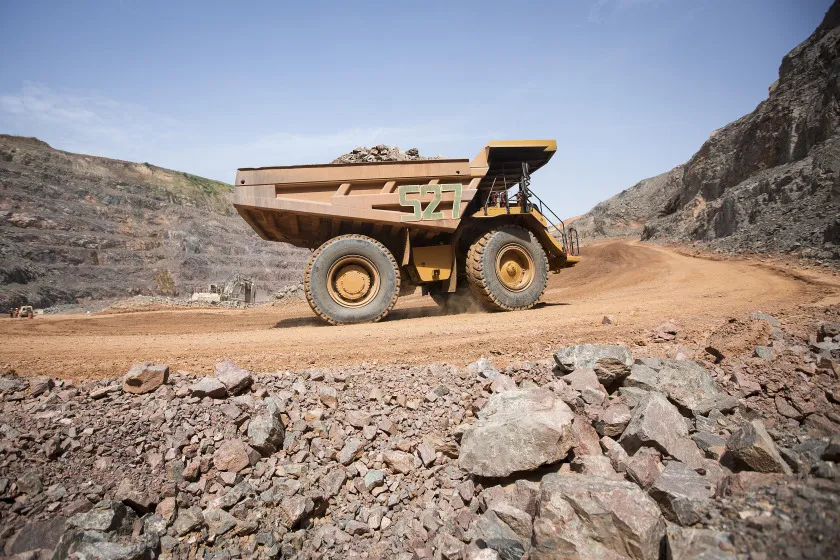
Barrick Mining has signed a new collective bargaining agreement with unions at its Loulo-Gounkoto gold complex in western Mali, averting strike action that was scheduled to begin on Monday, September 28. The deal covers workers at Somilo SA and Gounkoto SA, the two operating entities at the complex, as well as Food & Events Africa, a catering and support-services contractor whose workers had also threatened a five-day walkout.
The agreement followed talks involving Mali’s National Workers’ Union, known as UNTM. Abdoulaye Coulibaly of the UNTM confirmed the deal, which addresses demands on overtime pay, reimbursement of mission expenses and the implementation of existing labour agreements. Loulo-Gounkoto union representative Bani Sacko said an understanding was reached at a meeting on September 21 and that all strike activities had since been called off. The unions had submitted a list of 15 demands. Separate strike notices had also been filed by workers at Mali’s mining regulator and other mining administration agencies. All of those actions were reportedly called off following the agreement.
The deal brings temporary calm to Mali’s most important gold mining complex, which accounts for a significant share of the country’s gold output and government revenue. But it does not resolve the deeper conflict between Barrick and Mali’s military government, a conflict that has reshaped the operating environment for foreign mining companies in the country.
Since adopting a new mining code in 2023, Mali’s government has moved aggressively to capture more value from its gold sector. The code raised the state’s combined stake in industrial mining projects to 30 per cent and increased taxes on foreign operators. Sector audits have recovered about 761 billion CFA francs, roughly $1.2 billion, in unpaid revenues. In April 2026, the government created the Malian Office of Precious Substances, known as OMASP, a new state agency tasked with regulating and securing the sale of gold and other precious minerals. The agency was given a legal basis by parliament in July and placed under the Ministry of Industry and Trade. Its mandate is to centralise gold flows, oversee transactions and improve export traceability. Mali is also building a gold refinery in Sénou with a planned capacity of 200 tonnes a year, part of a push to process more of its gold locally and reduce raw metal exports.
READ MORE:Guinea-Bissau’s Ousted President Embalo to Return From Exile and Run in December Election
The reforms are driven by a stark gap between what Mali says it exports and what importing countries record. A 2024 report by the Swiss NGO SWISSAID estimated that 30 to 57 metric tonnes of Malian gold leave the country each year without being declared, worth between $1.98 billion and $3.77 billion. Between 2012 and 2022, undeclared gold exports were estimated at around 300 tonnes, valued at $13.5 billion. Gold accounts for about 75 per cent of Mali’s national exports and roughly 25 per cent of public revenue.
Barrick’s Loulo-Gounkoto complex was at the centre of a two-year standoff between the company and Mali’s government over the new mining code. The dispute escalated in 2024 when Malian authorities arrested Barrick employees and issued an arrest warrant for former CEO Mark Bristow over alleged financial crimes. Gold exports from the complex were blocked, and the government moved to place the mine under provisional administration. A settlement was reached in November 2025. Barrick agreed to pay $430 million to Mali and to accept the 2023 mining code, the very regulation that had triggered the confrontation. The company regained control of the mine, and Mali returned three metric tonnes of seized gold. The Loulo mining permit was renewed for ten years in February 2026.
The union deal reached this week is the latest step in Barrick’s effort to stabilise its operations in Mali after the settlement. It addresses the immediate grievances of the workforce, which had threatened to disrupt production at a time when gold prices are near record highs and the company is counting on Loulo-Gounkoto to contribute to its 2026 production guidance.
But the agreement also highlights the limits of Barrick’s position in Mali. The company is operating in a country where the government has made clear it wants a larger share of mining revenues, tighter control over exports and more local processing. The new mining code, the creation of OMASP, the refinery project and the Sénou facility all point in the same direction. Barrick can negotiate with its unions. It cannot negotiate away the government’s determination to rewrite the terms on which foreign companies extract Mali’s gold. For now, the strike is off and the mine is running. But the underlying tension between Barrick’s commercial interests and Mali’s resource nationalism remains unresolved. The union deal buys time. It does not buy certainty.
About The Author

Related Articles
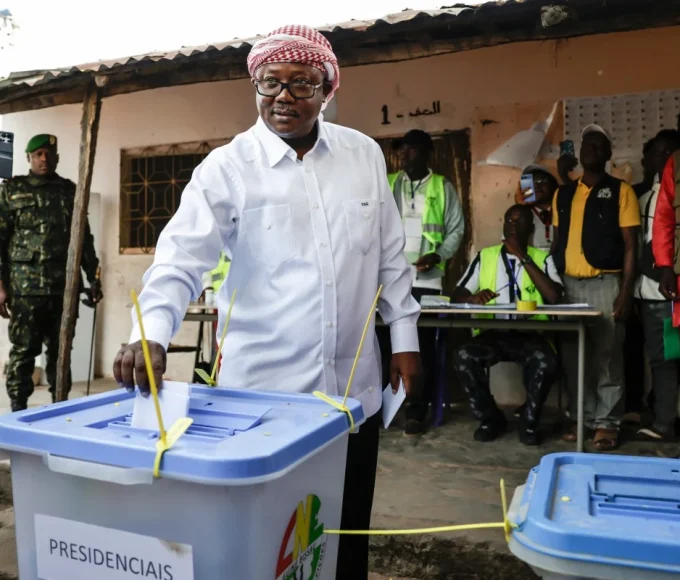
Guinea-Bissau’s Ousted President Embalo to Return From Exile and Run in December Election
Guinea-Bissau’s exiled former president, Umaro Sissoco Embalo, has announced that he will...

Aaron Greenspan Accuses Tinubu of Lying to Court Over 1993 Political Status in FOIA Case
Aaron Greenspan, who is pursuing a Freedom of Information Act lawsuit against...

Nigeria Grows 2.3 Million Tonnes of Tomatoes and Still Spends $360 Million Importing Paste
Nigeria is Africa’s second-largest tomato producer. The country grows about 2.3 million...

FG Approves Upgrade of Onne, Rivers, Delta, Calabar Ports, Another Promise That May Never See Daylight
The Federal Government has approved the comprehensive modernisation and upgrade of Onne,...
Leave a comment