





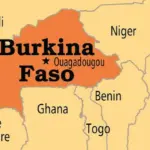

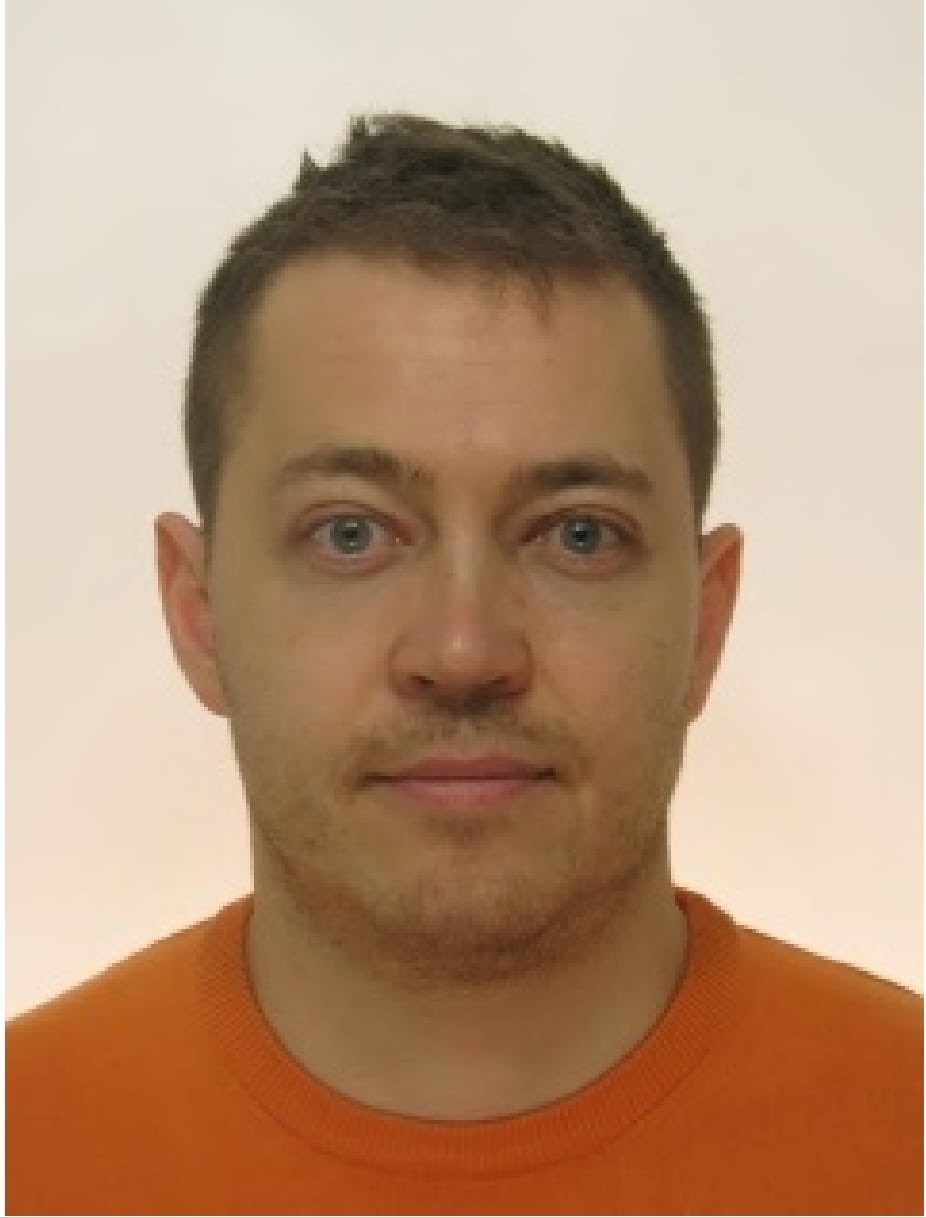
Authorities in Ghana have formally identified a 36-year-old Russian national, Vladislav Luilkov, as the man at the centre of a growing criminal investigation involving the alleged secret filming of African women without their consent. The case has triggered outrage both within Ghana and across other African countries where similar complaints are believed to have surfaced.
According to Ghanaian officials, the investigation began after explicit videos started circulating online, showing encounters allegedly recorded without the knowledge of the women involved. Digital traces reportedly linked some of the recordings to locations within Ghana, prompting authorities to open a formal probe under the country’s cybercrime and privacy legislation. Law enforcement agencies say preliminary findings suggest the suspect entered Ghana legally and departed before the matter became public.
In an unusual step, officials disclosed details from Luilkov’s passport to establish his identity and nationality. Authorities confirmed that he is currently believed to be in Russia. Ghana says it has activated international cooperation mechanisms and is working with Interpol to ensure that an arrest notice is circulated. Should he travel outside Russian territory, Ghana intends to pursue extradition proceedings so he can face prosecution.
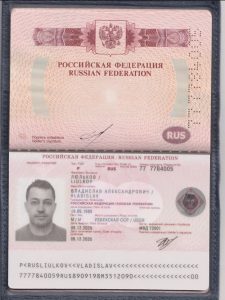
Legal experts note that extradition from Russia may present challenges, depending on existing treaties and diplomatic considerations. However, Ghanaian authorities maintain that the process is underway and that the case will not be abandoned. They have also encouraged any potential victims to come forward, assuring them of confidentiality and legal protection.
The allegations have intensified conversations about digital exploitation, consent and the vulnerability of women in cross-border crimes facilitated by technology. Advocacy groups have called for stronger enforcement of cybercrime laws and improved safeguards against the non-consensual distribution of intimate content. Officials say forensic analysis of devices and online accounts connected to the suspect is ongoing, and they have not ruled out the possibility of additional charges if more evidence emerges.
Beyond the immediate criminal investigation, the case has exposed gaps in international cooperation around online exploitation. While cybercrime statutes exist in many jurisdictions, enforcement across borders often depends on swift coordination between states. Ghanaian authorities say they are committed to pursuing justice through every available legal channel and ensuring that the rights of victims remain central to the case.
About The Author






Leave a comment