






Another Economic Blow Under Tinubu as Cooking Gas Prices Increase Nationwide
 West Africa WeeklyMay 25, 20262 Mins read636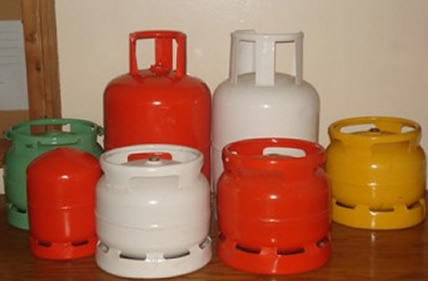
Nigerians are facing yet another economic hardship following a sharp increase in the price of liquefied petroleum gas, commonly known as cooking gas, across the country. The latest hike, which took effect in the last week of May 2026, has pushed the product further out of reach for millions of households that rely on it for daily cooking.
Checks by our correspondent in major cities including Lagos, Abuja, Kano, Port Harcourt, and Enugu revealed that a 12.5 kilogram cylinder of cooking gas now sells for between N18,000 and N21,000, depending on the location and retailer. This represents an increase of nearly 30 percent compared to prices recorded just one month ago. In some remote areas, consumers reported paying as much as N23,000 for the same quantity.
Retailers blamed the sudden price surge on a combination of factors, including higher landing costs for imported gas, a continued depreciation of the naira against the United States dollar, and disruptions in the domestic supply chain. Several depot owners in Apapa, Lagos, confirmed that their ex-depot price had risen from N850 per kilogram to over N1,200 per kilogram within two weeks.
“We are struggling to get stock. The prices keep changing every other day. If we sell at the old price, we will run at a loss,” said Adamu Bello, a gas retailer in Kubwa, Abuja. “Many of our customers are already complaining. Some have gone back to using firewood or charcoal.”
The cooking gas price increase has drawn sharp reactions from consumer protection groups and civil society organizations. The National Association of Nigerian Consumers described the development as “heartless and avoidable,” calling on the federal government to intervene urgently. In a statement, the association warned that the rising cost of cooking energy would force more families into energy poverty and increase the risk of respiratory diseases from the use of biomass fuels.
For many Nigerian families, the new price means making difficult choices between buying food and buying gas. Madam Grace Eze, a mother of four living in Ojota, Lagos, said she now spends her mornings gathering firewood from a nearby dump site. “Gas finished three days ago. I checked the price and I could not afford it. My children must eat, so I find wood,” she said.
This latest economic blow comes just weeks after the government announced a series of fiscal reforms aimed at stabilizing the economy. Critics argue that while those reforms may produce long term gains, ordinary Nigerians are being crushed by immediate costs with no visible relief in sight.
The Nigerian Midstream and Downstream Petroleum Regulatory Authority has not issued an official statement on the price spike. However, industry sources suggest that the agency is in talks with gas suppliers to find a way to moderate prices. No timeline has been given for any possible reduction.
As the situation worsens, many Nigerians are calling on President Bola Tinubu to fulfill his campaign promises of easing the cost of living. For now, millions of families will continue to cook with firewood, charcoal, or nothing at all while the price of cooking gas remains a luxury only a few can afford.
About The Author



Related Articles

Cameroon Commits to Stronger Bilateral Ties with Nigeria
Cameroon has reaffirmed its commitment to strengthening bilateral relations with Nigeria, pledging...

Ghana Borrows $288 Million at 11% to Pay Cocoa Farmers After Delayed Purchases
Ghana’s cocoa regulator has been forced to borrow 3.39 billion cedis, about...

Burkina Faso President Ibrahim Traoré Defies FIFA, Vows to Intervene in Football Federation After 7-0 Argentina Humiliation
Burkina Faso’s military leader, Captain Ibrahim Traoré, has vowed to intervene directly...


INEC Turns to AI for Election Verification While Nigerians Still Queue for PVCs and Results Vanish on IReV
The Independent National Electoral Commission has announced plans to deploy artificial intelligence...
Leave a comment