


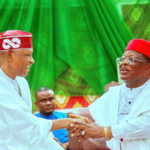


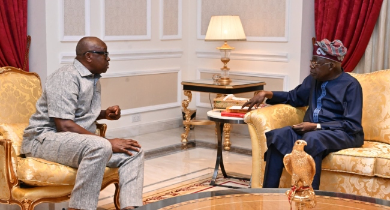
President Bola Tinubu has approved the appointment of 26 officials to the boards and leadership of 10 federal government agencies and commissions, including former Ekiti State Governor Ayo Fayose as Chairman of the Rural Electrification Agency (REA) and former Kaduna State Governor Nasir El‑Rufai in a yet‑to‑be‑specified federal role.
The appointments, announced on Monday by the President’s Special Adviser on Information and Strategy, Bayo Onanuga, have drawn sharp criticism from anti‑corruption activists and civil society groups who point to the troubling corruption records of several appointees.
Fayose, a prominent opposition figure, had been standing trial on allegations of money laundering and fraud amounting to N6.9 billion during his tenure as Ekiti governor. On July 16, 2025, a Federal High Court in Lagos discharged and acquitted him, ruling that the EFCC was unable to prove any link between him and the alleged offences beyond a reasonable doubt. However, the EFCC immediately announced plans to appeal the judgment, describing it as a setback in the fight against corruption. The case is currently pending at the Court of Appeal.
Fayose has also been implicated in a separate controversy involving former President Olusegun Obasanjo. In December 2025, the Human and Environmental Development Agenda (HEDA) petitioned the EFCC over an alleged money‑laundering transaction in which Fayose admitted to giving Obasanjo $20,000 in cash as travel logistics for attending his 65th birthday celebration.
El‑Rufai is facing multiple corruption charges. On June 25, 2026, the Independent Corrupt Practices and Other Related Offences Commission (ICPC) arraigned El‑Rufai and six others over an alleged N8.68 billion CCTV contract fraud. The ICPC alleged that El‑Rufai, while serving as Kaduna governor, approved the contract in violation of procurement regulations despite allegedly knowing that the company awarded the contract lacked the requisite experience and qualifications.
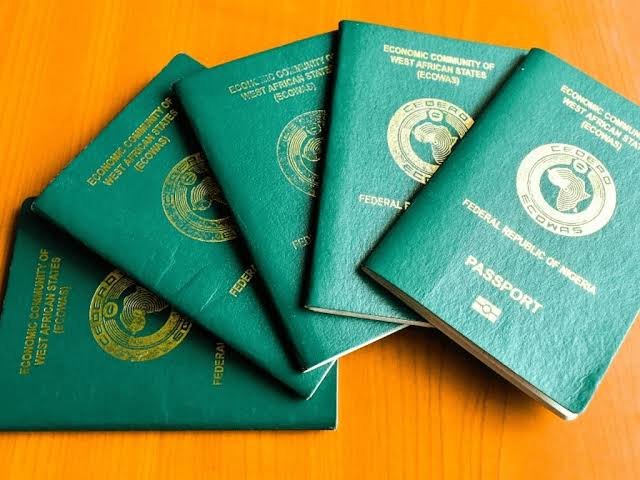
READ MORE: Niger Launches Regional Biometric Passport, Completes AES Digital Sovereignty Push
In February 2026, El‑Rufai spent two days in EFCC custody over allegations of misappropriation of public funds, including the misuse of N423 billion in loans during his administration. The Kaduna State House of Assembly had earlier set up an ad hoc committee to investigate the financial dealings of his government, which recommended his investigation and prosecution for alleged abuse of office, diversion of public funds, and money laundering. El‑Rufai is currently facing a nine‑count charge by the ICPC bordering on alleged abuse of office, fraud, money laundering, unlawful handling of public funds and irregular award of contracts during his tenure as Kaduna governor.
Other appointees with troubling records include Major General Junaid Bindawa (retd.), appointed Chairman of the National Salary and Wages Commission; Abuh Mohammed, appointed Director‑General of the National Population Commission; Abdullahi Saidu, appointed Chairman of the Fiscal Responsibility Commission; and Shuni Dahiru, appointed Executive Secretary of the National Commission for Mass Literacy, Adult and Non‑Formal Education.
Tosin Adeyanju, who was previously appointed Executive Secretary of the National Lottery Trust Fund, has now been moved to the Revenue Mobilisation and Fiscal Commission as Secretary. His previous role at the NLTF was not without controversy, with questions raised about the agency’s management of lottery funds.
The appointments have sparked outrage among anti‑corruption activists, who argue that the Tinubu administration is rewarding individuals with questionable records while professing to fight corruption. The Socio‑Economic Rights and Accountability Project (SERAP) has consistently warned against the appointment of individuals with corruption allegations to public office, describing it as a betrayal of the fight against corruption.
As the Tinubu administration continues to fill key positions with individuals facing corruption allegations, Nigerians are left to wonder whether the government is genuinely committed to accountability or whether it is merely paying lip service to the anti‑corruption agenda while rewarding its political allies.
About The Author





Leave a comment