






Nigerian Airlines Struggle as Ghana Cuts Airfares Amid Policy Contrast
 West Africa WeeklyNovember 6, 20251 Mins read961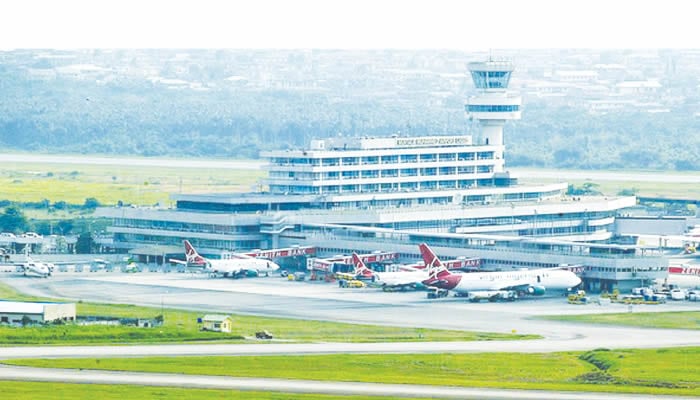
Nigeria’s domestic airlines are grappling with shrinking routes, declining passenger numbers, and rising operating costs, even as neighbouring Ghana is cutting domestic airfares in the opposite direction.
Aero Contractors’ Chief Financial Officer, Charles Grant, said local carriers have lost about three million passengers in two years due to high taxes, multiple charges, and an unfriendly policy environment. He noted that airlines now battle reduced route networks, high maintenance costs, and persistent foreign exchange shortages, making aircraft parts and fuel more expensive.
Airlines are operating under enormous strain, Grant said. We have fewer planes flying, fewer routes, and rising costs. It’s becoming unsustainable.
Industry analysts say most Nigerian carriers, including Air Peace, Max Air, and United Nigeria Airlines, have cut frequencies on major routes such as Lagos–Abuja and Lagos–Port Harcourt. One-way tickets on these routes now exceed ₦100,000, pricing out many travellers.
The situation contrasts sharply with Ghana, where carriers recently slashed fares following an appreciation of the cedi and reduced aviation fuel costs. According to West Africa Weekly, domestic operator Passion Air cut ticket prices by 10 per cent in June, after the Ministry of Transport urged airlines to pass on the benefits of the stronger currency to passengers.
While Ghana’s more stable forex regime has lowered costs for operators, Nigeria’s currency volatility continues to squeeze airlines, forcing them to raise prices or suspend routes altogether.
Aviation experts warn that if the policy environment does not improve, Nigeria risks losing more of its market to foreign airlines such as ASKY, RwandAir, and Africa World Airlines, which already dominate regional routes.
Grant said the problem is not only about national pride but about economic opportunity. “Every grounded aircraft means jobs lost and potential revenue for the economy gone,” he said.
The contrast between the two countries underscores the role of economic management in air travel costs. As Ghana’s carriers gain ground through favourable policies, Nigerian airlines continue to face turbulence from within.
Read More:
- Russia Strengthens Ties with Burkina Faso through New Open Education Centre in Ouagadougou
- Cocoa Farmers in Ondo Push Back Against New Forest Policy
About The Author


Related Articles
Gambian Businesses Struggle Under Prolonged Blackouts as Anger Mounts Ahead of December Election
Gambian businesses are collapsing under the weight of prolonged power cuts that...
Chelle Names Osimhen, Lookman, Ndidi in 24-Man Super Eagles Squad for 2027 AFCON Qualifiers
Super Eagles head coach Éric Chelle has unveiled a 24-man squad for...
Ghana Cuts Fuel Exports to Burkina Faso and Mali to Protect Its Own Supply
Ghana’s state-owned fuel distributor BOST Energies has reduced diesel and gasoline exports...


ASUU Strike Threatens to Shut Down Federal Universities as Nigerians Accuse Media of Ignoring the Crisis
The Academic Staff Union of Universities is on the verge of a...
Leave a comment