




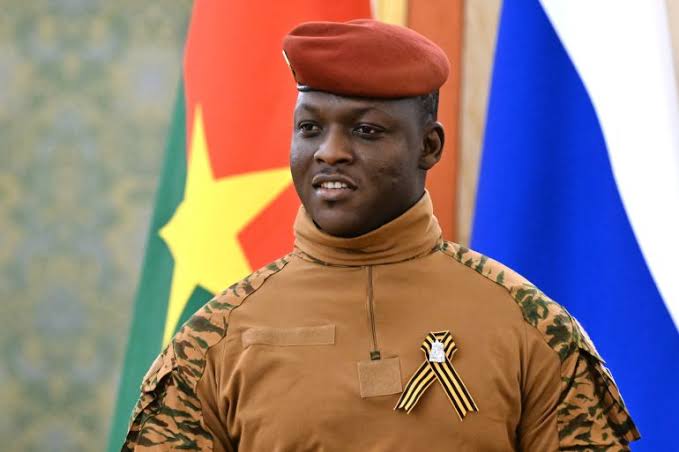
Burkina Faso has officially partnered with Germany on a major development initiative, signaling a pragmatic shift in its foreign policy just months after severing diplomatic ties with its former colonial ruler, France, and deepening its security and political alignment with Russia.
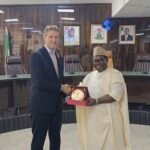
The partnership was cemented during a ceremony at the German ambassador’s residence in Ouagadougou on November 6, commemorating the 36th anniversary of German reunification. Germany’s Ambassador to Burkina Faso, Dietrich Becker, reaffirmed Berlin’s commitment to strengthening bilateral relations and welcomed Burkina Faso’s efforts to strengthen its sovereignty, despite the strong anti-West sentiments that have defined the Alliance of Sahel States (AES).
The core of the new engagement is Germany’s support for Burkina Faso’s national development plan, known as the RELANCE programme, which focuses on economic reconstruction, strengthening national production, and improving living conditions. The partnership will prioritize improving access to drinking water, establishing value chains for agricultural product processing, and developing sustainable industrialization. Germany has also committed to expanding cultural and scientific ties, including more training opportunities for young Burkinabé in Germany and a stronger presence for the Goethe-Institut.
The timing of the deal is significant. Burkina Faso, along with Mali and Niger, officially withdrew from the Economic Community of West African States (ECOWAS) in January 2025 to form the AES. The military-led governments have since systematically dismantled French influence, expelling French counter-terrorism forces and, in June 2026, Burkina Faso cut all diplomatic relations with Paris, accusing it of “neo-colonialist ambitions”. In place of France, the AES countries have turned to Russia, which has become the guarantor of their security and political survival through the deployment of the Africa Corps and agreements on arms supplies, satellite data, and nuclear energy.
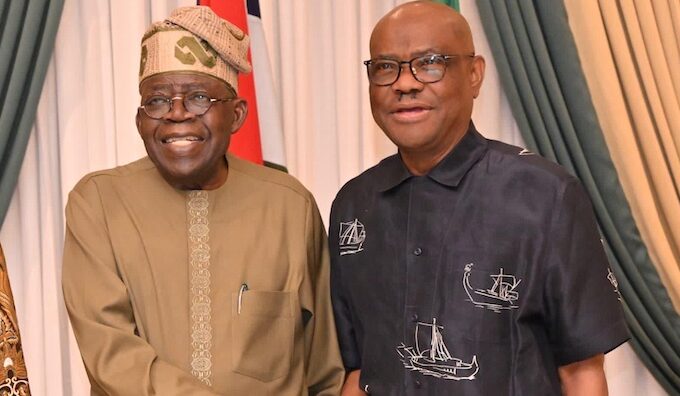
READ MORE: Wike’s ₦10m Ward Bribe and Tinubu’s Borrowing Spree Expose a Desperate Plot to Rig 2027
Despite this pivot toward Moscow, Germany’s engagement suggests that Burkina Faso is not completely closing the door to Western partnerships. Ambassador Becker stated that “we have far more in common than differences,” and welcomed the resumption of talks between ECOWAS and the AES countries. The partnership with Germany allows Burkina Faso to pursue a hedging strategy—maintaining Russia as its primary military protector while restoring economic and trade relations with other international partners.
However, the broader geopolitical realignment has not come without cost. Despite the presence of Russian forces, jihadist and separatist attacks in the Sahel persist and are becoming more powerful, highlighting the limits of the current security arrangement. Many have also warned that the exchange of minerals for military protection may exhaust the countries in the long term, potentially replacing Western colonialism with a new form of asymmetric dependence on Moscow.
For now, Burkina Faso’s partnership with Germany represents a calculated move to secure development funding and technical support without compromising its security relationship with Russia. As the country continues to navigate its post-France future, the deal with Berlin signals that Ouagadougou is willing to engage with any partner that respects its sovereignty and supports its national development agenda.
About The Author




Leave a comment