


Niger Plans Return of Seized Uranium as Tensions with France Continue
 West Africa WeeklyFebruary 16, 20262 Mins read380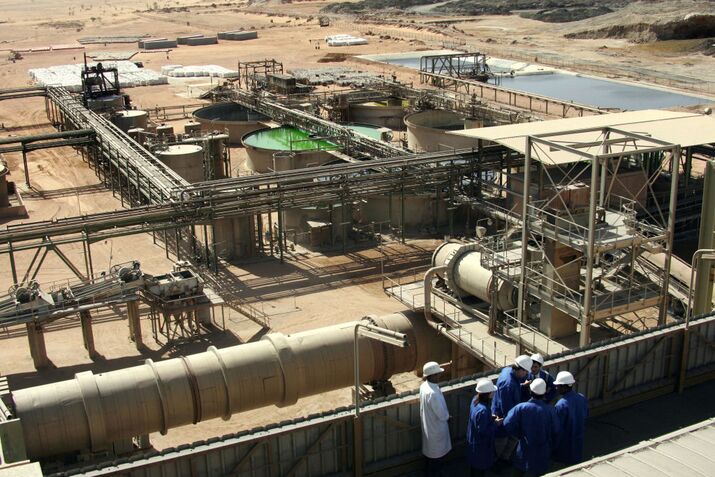
Niger’s military-led government has indicated it is ready to return uranium produced by the French nuclear company Orano, following the takeover of a major mining site, in what appears to be a carefully calculated step in the country’s evolving relationship with foreign mining interests.
The development comes months after authorities in Niger moved to assert greater control over strategic natural resources following the 2023 military coup that removed the civilian government. Since then, relations between Niger and its former colonial power, France, have deteriorated sharply, especially in the energy and mining sectors.
The uranium at the centre of the dispute was produced before the government took control of the mining site. Officials now say they are prepared to return the stockpile to Orano, signalling a willingness to avoid an outright commercial confrontation while still maintaining control of the mine.
READ ALSO: Niger Seizes Control of French-Operated Somair Uranium Mine from Orano
Niger is one of the world’s key uranium producers, and its mines have long supplied France’s nuclear energy industry with fuel. For decades, French companies have played a dominant role in the country’s mining sector, a relationship that has increasingly come under scrutiny at home. Many in Niger have questioned the terms of past agreements, arguing that the country did not receive fair economic returns from its natural resources.
Since taking power, the military government has repeatedly said it intends to review existing mining contracts and ensure that Niger gains more value from its uranium and other minerals. The move to take over the mine was seen as part of that broader policy direction.
At the same time, the decision to return the uranium stockpile suggests the authorities are trying to balance resource nationalism with practical economic considerations. Niger’s economy depends heavily on foreign investment and export revenue, particularly from mining.
The country is also navigating a wider geopolitical shift. After the coup, Niger distanced itself from France and Western military partners, instead strengthening ties with neighbouring military-led governments in Mali and Burkina Faso. The three countries have formed the Alliance of Sahel States, positioning themselves as a bloc seeking greater independence from Western influence.
Energy analysts say the uranium dispute reflects a larger trend across parts of Africa, where governments are rethinking long-standing agreements with foreign mining and energy companies. From oil to gold and uranium, several countries are pushing for new terms that promise more revenue, local processing, and national control.
For now, the proposed return of the uranium stockpile may ease immediate tensions with Orano, but the future of French involvement in Niger’s mining sector remains uncertain. What is clear is that the country’s leadership is determined to reshape how its resources are managed and who benefits from them.
READ MORE: Rubio’s Munich Address Ignites Fears of Renewed Western Dominance
About The Author

Related Articles
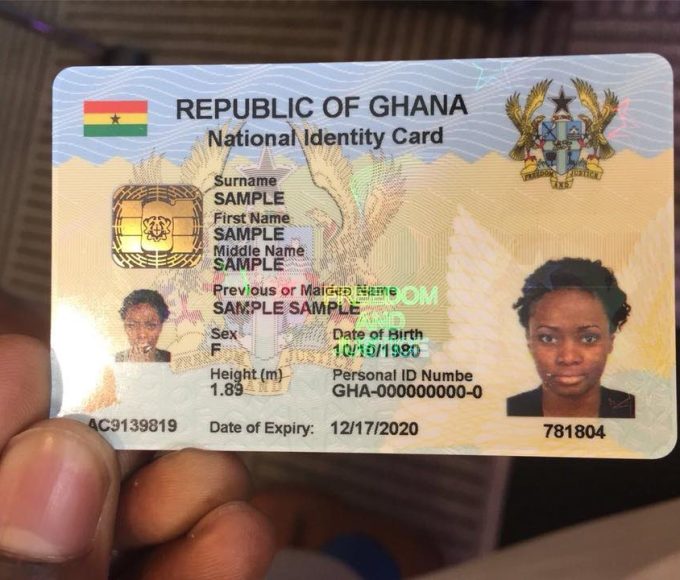
Ghana Turns National ID into a Payment Card, Becomes First in Africa
Ghana has become the first country in Africa to integrate a fully...
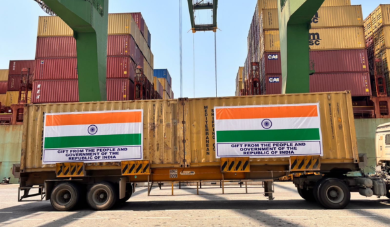
India Sends 1,000 Metric Tonnes of Rice to Burkina Faso Amid Worsening Humanitarian Crisis
India has dispatched a consignment of 1,000 metric tonnes of rice to...
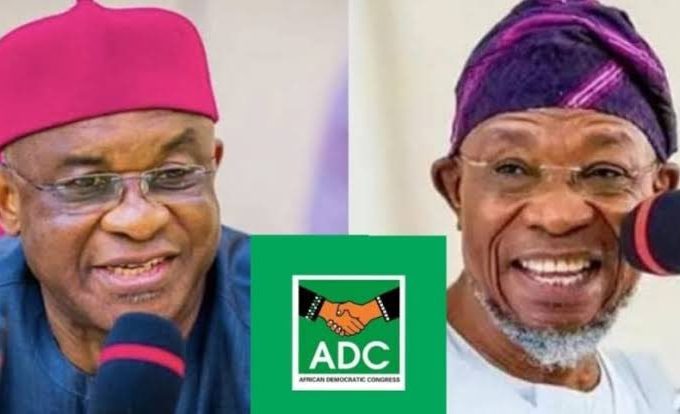
INEC Withdraws Recognition of David Mark Led ADC Executive Following Appeal Court Judgment
The Independent National Electoral Commission has removed the names of Senator David...
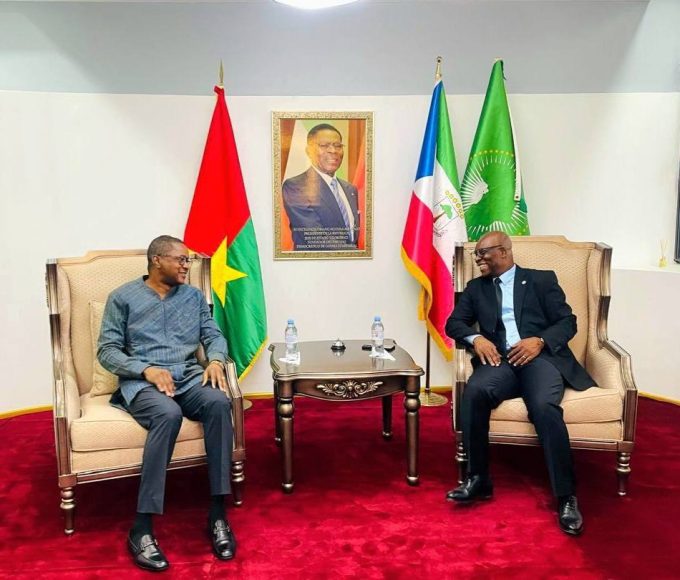

Burkina Faso and Equatorial Guinea Pledge Stronger Bilateral Cooperation as Foreign Minister Visits Malabo
Burkina Faso’s Minister of Foreign Affairs, Karamoko Jean Marie Traoré, has completed...
Leave a comment