


Five Dead, Dozens Hospitalised as Cholera Hits Mangu LGA in Plateau
 West Africa WeeklyJune 15, 20262 Mins read503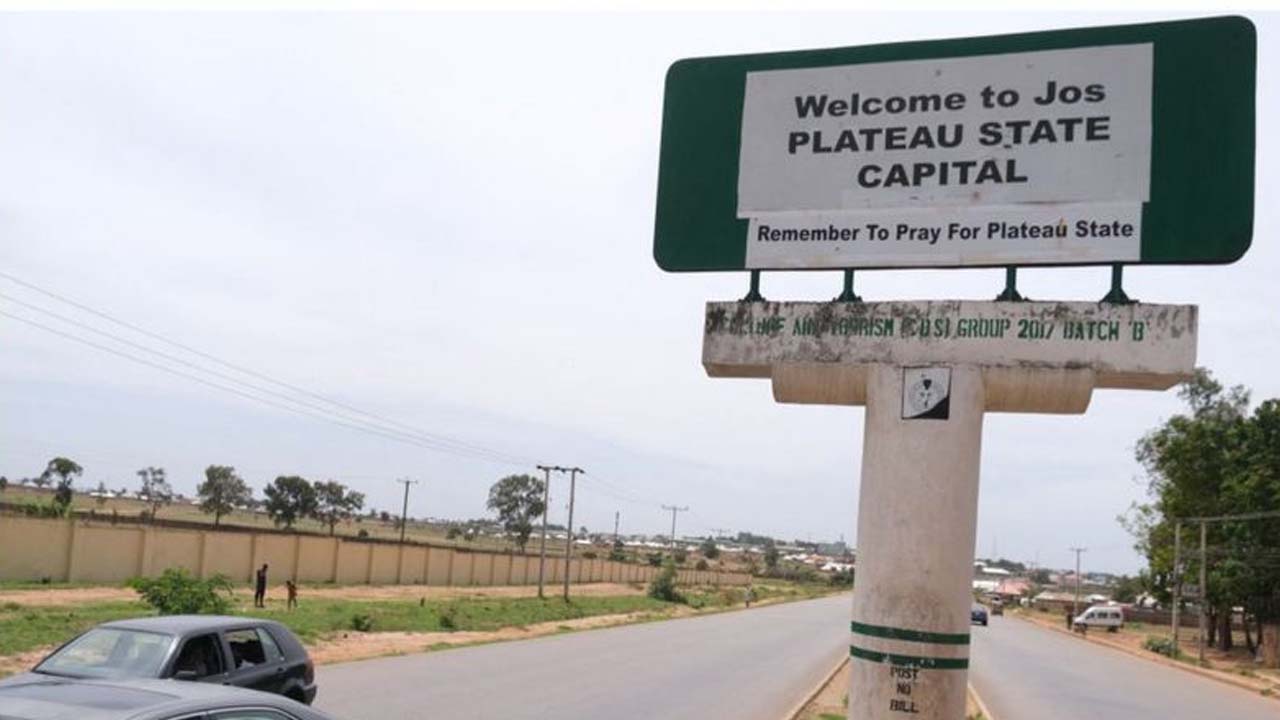
A deadly cholera outbreak has struck Mangu Local Government Area in Nigeria’s Plateau State, claiming five lives and infecting 53 residents across three wards. Health authorities confirmed the development on Monday, describing the situation as serious but manageable.
The state Commissioner for Health, Dr. Nicholas Ba’amlong, announced during a press briefing in Jos that the outbreak has spread to the Pushit, Mangu 1, and Mangu 2 wards, raising concerns over continued community transmission. According to the commissioner, the outbreak was initially reported with only eight suspected cases but has since escalated sharply.
Providing a detailed breakdown, Dr. Ba’amlong said, “As of June 12, 2026, we have recorded a cumulative total of 53 suspected cases, 10 Rapid Diagnostic Test-reactive cases, four laboratory-confirmed cases through culture, and sadly five deaths.” The fatalities included four women and one man, bringing the case fatality rate to 9.43 per cent. Dr. Ba’amlong noted that the increasing number of infections and the geographical spread of the disease underscore the need for urgent and coordinated public health action. He described the situation as one that demands immediate attention and extended his condolences to the families who have lost loved ones.
In response to the crisis, the Plateau State Government has formally activated the Incident Management System, an emergency coordination framework designed to streamline outbreak response efforts. Dr. Maren Job has been appointed Incident Manager to oversee all cholera response activities across the affected areas. Health authorities have also deployed additional Rapid Response Teams to affected communities, expanded treatment centres, and commenced emergency procurement of diagnostic kits, intravenous fluids, and essential medicines. Active case search and contact tracing have been intensified, while community-based surveillance systems have been expanded to improve early detection of new infections.
Beyond medical interventions, the government and health partners have launched aggressive public awareness campaigns aimed at promoting hygiene practices and encouraging early presentation at health facilities. Traditional rulers, religious leaders, and community influencers have been mobilised to support awareness efforts and counter misinformation. Authorities are promoting household water treatment through boiling and chlorination, environmental sanitation exercises, and house-to-house sensitisation on safe water storage and handling.
Despite these efforts, Dr. Ba’amlong acknowledged several challenges confronting the response, including shortages of rapid diagnostic kits, rising demand for treatment commodities, and logistical difficulties in reaching some remote communities. However, he expressed confidence that ongoing collaboration with the Nigeria Centre for Disease Control, the World Health Organisation, and other partners would strengthen containment efforts.
The commissioner urged residents to remain vigilant by drinking only treated or boiled water, washing hands regularly with soap and clean water, maintaining proper sanitation, and seeking immediate medical attention whenever symptoms such as severe watery diarrhoea and vomiting occur. He emphasised that the fight against cholera is a collective responsibility and called on all residents to cooperate with health workers and strictly observe preventive measures.
About The Author


Related Articles

Veteran Actor Olu Jacobs Dies at 84, Nollywood Mourns the Lion of Lufodo
Veteran Nigerian actor and film executive Oludotun Baiyewu Jacobs, popularly known as...

Lagos Government and Tinubu Cause More Pain as Commuters Sleep in Traffic While Repairs Make Everything Worse
Lagos has become a city where going to work means sleeping on...

Ghana Reaffirms Withdrawal of Recognition of Polisario, Backs Morocco’s Autonomy Plan
Ghana has reaffirmed its decision to withdraw recognition of the Polisario Front’s...

Peter Obi Denies Leaving Anambra Debts, Vows to End 2027 Campaign If Proven Wrong
Presidential candidate of the Nigeria Democratic Congress (NDC), Peter Obi, has strongly...
Leave a comment