






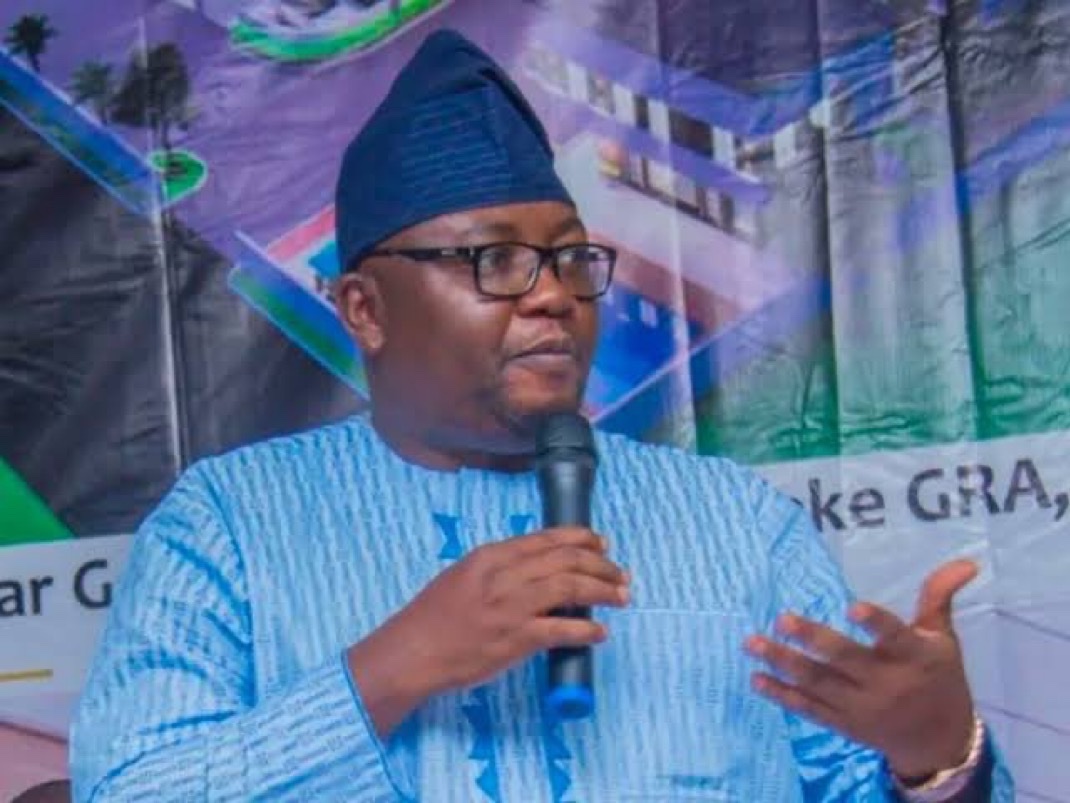
The Minister of Power, Adebayo Adelabu, has stated that Nigeria’s economy can no longer sustain electricity subsidies as the federal government’s debt to power generation companies (GenCos) has exceeded N4 trillion. Adelabu made the statement during a meeting with GenCos in Abuja where he urged Nigerians to brace for higher, cost-reflective electricity tariffs.
According to the minister, President Bola Tinubu will soon meet with the GenCos to discuss how to resolve the debt crisis and prevent a breakdown in power generation across the country. In a statement issued on Sunday by his Special Adviser on Strategic Communications and Media Relations, Bolaji Tunji, the minister said the government would only give targeted subsidies to the most vulnerable Nigerians.
Power generation companies say the rising debt is becoming unsustainable. Figures from the Nigerian Electricity Regulatory Commission (NERC) show that as of February, the government covers about N27.97 per kWh through subsidies. GenCos, under the leadership of retired Colonel Sani Bello, have repeatedly warned that the sector will completely collapse if the funding challenges are not addressed.
Last year April, the government approved a significant tariff hike for Band A customers, triggering public backlash. Many Nigerians are already grappling with economic hardship, including rising food and fuel costs, high inflation, and stagnant incomes. For most households, paying more for electricity, especially when supply is unreliable, has only added to the financial burden.
Joy Ogaji, CEO of the Association of Power Generation Companies, outlined several persistent challenges in the power sector, including chronic payment delays, erratic gas supply, and continued naira devaluation. She said the companies are operating under heavy financial and operational strain, which threatens the stability of the entire power system.
Since the partial privatisation of the power sector in 2013, the country has struggled to provide reliable electricity to most of its population. The Federal Government has instead allocated N10 billion for a solar mini-grid at the Presidential Villa in the 2025 approved budget. The project was listed as the sole reason for a N10bn increase in the capital expenditure component of the State House budget, which rose from N33.55bn to N43.55bn.
Read More:
- U-20 AFCON: Flying Eagles’ Draw With Morocco Sets Up Must-Win Match Against Kenya
- The President’s Son
About The Author




Leave a comment