




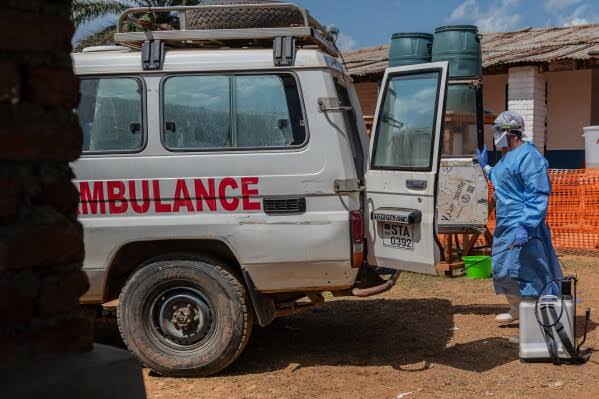
Confirmed Ebola cases in the Democratic Republic of Congo have risen to 635, including 127 deaths, as the outbreak caused by the rare Bundibugyo strain continues to spread across the country’s eastern provinces.
The new figures, released by the DRC’s Ministry of Public Health on June 10, 2026, mark a significant increase from the 550 confirmed cases and 101 deaths reported just one day earlier by the World Health Organization. The outbreak remains concentrated in Ituri Province, which accounts for 94 percent of confirmed cases, with additional infections reported in North Kivu and South Kivu.
The DRC declared its 17th Ebola outbreak on May 15, and the World Health Organization declared it a public health emergency of international concern two days later. However, the outbreak may have gone undetected for weeks before the official declaration, and preparedness gaps became obvious as response teams arrived on the ground.
The situation has been complicated by the nature of the virus itself. Unlike the more common Zaire strain that has driven most previous outbreaks in the DRC, the Bundibugyo strain currently circulating has no approved vaccines or targeted treatments. Health officials say this has created confusion among communities familiar with Ebola from prior outbreaks but now facing a different enemy.
DRC Health Minister Roger Kamba said the response is gaining momentum despite the challenges. He announced eight new recoveries, bringing the total number of recovered patients to 30, and said the contact follow-up rate had risen to 61.1 percent, up from 56.4 percent a day earlier. Kamba noted that 490 tonnes of medicines have been deployed and laboratories strengthened across the three affected provinces.
The WHO has said the contact tracing rate needs to increase to around 90 percent to effectively contain the outbreak, but insecurity and a broader humanitarian crisis have hampered efforts. Eastern DRC hosts over 900,000 internally displaced persons, and communities are also dealing with malaria, measles, poor sanitation and lack of clean water.
Speaking at a briefing on June 9, WHO regional emergency director Dr. Marie Roseline Bélizaire said responders are still catching up after delays in outbreak detection. She noted that many people in eastern DRC are familiar with Ebola from previous outbreaks but responders are trying to explain that this is a different strain for which no approved vaccines or treatments exist, a message that has created confusion and made community outreach more difficult.
Ebola is not the only health problem of the community, Bélizaire said, explaining that people are frustrated when responders arrive only to talk about Ebola while they are also dealing with displacement and other daily challenges. WHO infectious disease epidemiologist Maria Van Kerkhove echoed these concerns, stating that if responders save someone from Ebola and their child dies from malaria, the family has not truly been helped.
In neighboring Uganda, 19 confirmed cases and two deaths have been reported, though no evidence of community transmission has been found so far. The risk assessment from WHO remains very high for the DRC and high for Uganda and other neighboring countries.
The Africa Centres for Disease Control and Prevention and WHO have launched a six month joint continental preparedness and response plan seeking 518 million US dollars to support countries in detecting and responding to the outbreak. The plan covers June to November 2026 and focuses on emergency coordination, surveillance, testing, infection control and patient treatment.
Health officials are currently following 5,681 contacts across the affected regions. Each recovery sends a strong message that early care saves lives, Kamba said, urging people to come for treatment. Authorities say they are monitoring every zone, every alert and every signal as vigilance remains high.
About The Author




Leave a comment