

Ghana Borrows $288 Million at 11% to Pay Cocoa Farmers After Delayed Purchases
 West Africa WeeklyOctober 8, 20262 Mins read6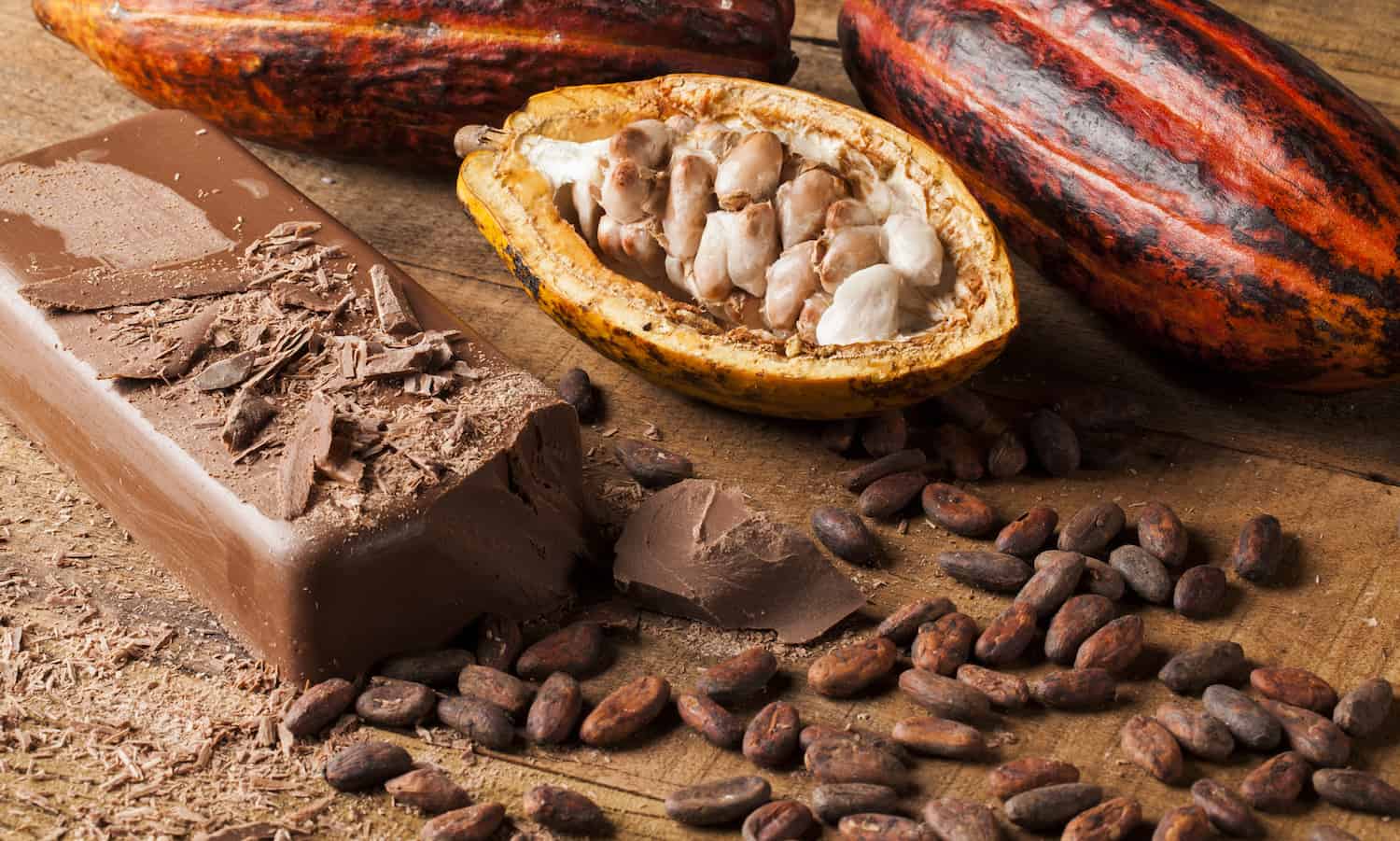
Ghana’s cocoa regulator has been forced to borrow 3.39 billion cedis, about $288 million, from the domestic market at an interest rate of 11 per cent to buy cocoa from farmers, after the new season opened on September 25 with licensed buying companies refusing to make purchases.
The Ghana Cocoa Board, known as COCOBOD, raised the money through short-term debt instruments. The funds are meant to allow the regulator to pay farmers for their beans and keep the cocoa supply chain moving. But the fact that COCOBOD had to borrow at 11 per cent interest just to pay farmers exposes the financial pressure the regulator is under.
Ghana is the world’s second-largest cocoa producer after Ivory Coast. Cocoa is the backbone of the Ghanaian economy, providing income for hundreds of thousands of smallholder farmers and earning billions of dollars in export revenue each year. Yet farmers often wait weeks or months to be paid for their crops.
Licensed buying companies are the middlemen who purchase cocoa from farmers on behalf of COCOBOD. When the season opened, these companies delayed purchases because they did not have the money to pay farmers. Without the borrowed funds, the delay would have continued, leaving farmers without income at the start of a new season.
The 11 per cent interest rate is significant. COCOBOD will have to repay the loan with interest, and that cost will ultimately be borne by the cocoa sector. The regulator has been struggling with debt for years. In 2025, COCOBOD reported a loss of 3.4 billion cedis, and its total debt stood at over 30 billion cedis. The decision to borrow more, even at a high rate, shows that the regulator has few options.
Farmers have repeatedly complained about late payments. In previous seasons, some farmers waited months to receive their money, forcing them to borrow from informal lenders at even higher rates. The delay affects their ability to hire labour, buy inputs and prepare for the next season. It also discourages young people from entering cocoa farming.
The Ghanaian government has promised to reform the cocoa sector and improve the lives of farmers. But the need to borrow at 11 per cent just to fund basic purchases shows that the problems are far from solved. The money will help pay farmers today. It will not fix the structural issues that keep the sector dependent on expensive borrowing.
COCOBOD says the funds will allow it to boost purchases from farmers. For now, that is true. But the high-interest loan adds to the regulator’s debt burden and reduces the resources available for other investments in the cocoa industry. Farmers will get paid, but the cost of that payment will be felt for years to come.
About The Author


Related Articles
Cameroon Commits to Stronger Bilateral Ties with Nigeria
Cameroon has reaffirmed its commitment to strengthening bilateral relations with Nigeria, pledging...

Burkina Faso President Ibrahim Traoré Defies FIFA, Vows to Intervene in Football Federation After 7-0 Argentina Humiliation
Burkina Faso’s military leader, Captain Ibrahim Traoré, has vowed to intervene directly...
INEC Turns to AI for Election Verification While Nigerians Still Queue for PVCs and Results Vanish on IReV
The Independent National Electoral Commission has announced plans to deploy artificial intelligence...

IMF Ranks Ethiopia, Guinea, Uganda, Rwanda and Benin as Africa’s Fastest-Growing Economies in 2026, Nigeria Absent From List
The International Monetary Fund has published its list of Africa’s fastest-growing economies...
Leave a comment