





Gambia Receives 21MW Generators From China to Tackle Crippling Power Crisis
 West Africa WeeklyOctober 6, 20262 Mins read17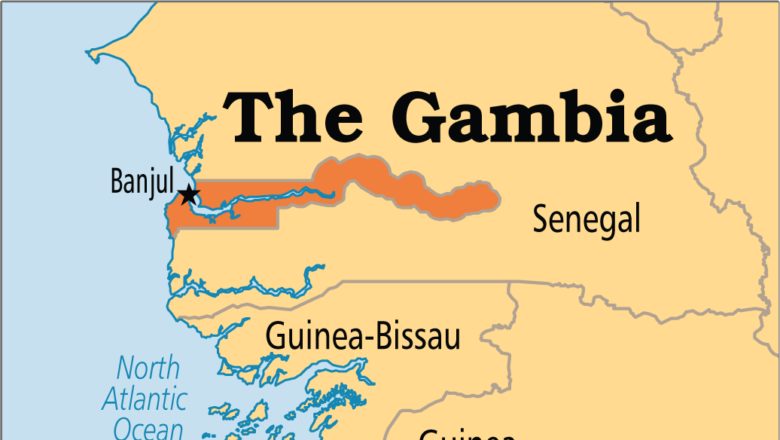
The Gambia has taken delivery of two new power generators with a combined capacity of 21 megawatts, as the West African nation scrambles to end prolonged blackouts that sparked violent protests last month. The generators, each with a capacity of 10.5 megawatts, arrived at the port of Banjul from China on Monday. A third 10.5-megawatt unit is expected shortly, bringing the total new capacity to 31.5 megawatts.
Vice President Muhammed B.S. Jallow, who led members of the Presidential Task Force on Electricity Supply to receive the equipment, said the generators form part of the government’s immediate response to the power crisis. “The provision of the generators is part of the solutions to electricity challenges faced,” Jallow said. “The government wants to install the capacity, and part of the medium and long-term plan is to make sure that the issue of electricity is permanently fixed”. He added that electricity supply had “already stabilised” but the government wanted to increase installed generation capacity to prevent a return of the recent disruptions.
NAWEC Managing Director Gallo Saidy said the generators will be installed and commissioned by the end of the month. “The machines have never been used; the only thing they need is to be installed,” Saidy said. He explained that the new capacity would help address difficulties NAWEC faces in meeting the electricity gap, particularly when there are problems within the system. The contract was refinanced by the contractor.
READ MORE:JAMB Prioritises Ottawa UTME Centre Over Nigeria’s Broken Exam System
The power crisis has gripped The Gambia since June, with outages lasting up to 48 hours in some areas during the hot season. Businesses were forced to close, hospitals relied on sometimes-failing generators, and residents struggled to charge phones and preserve food. The situation improved in early October but remained precarious.
In September, the outages sparked spontaneous protests in Banjul and surrounding areas. Demonstrators burned tyres, erected roadblocks and called for President Adama Barrow to resign, just months before the December presidential election in which he is seeking a third term. Police used tear gas to disperse protesters gathering near Barrow’s residence and the headquarters of the National Water and Electricity Corporation. President Barrow declared the electricity crisis a national emergency and promised to increase power generation. He pledged a 24-megawatt generation machine by the end of October and announced plans for a further 50-megawatt solar power plant.
The government has blamed soaring temperatures, climate change and wider geopolitical disruptions for the crisis. The Gambia has long relied on electricity imports from Senegal and Guinea to supplement its ageing and underfunded generation capacity, but supplies from both have fallen recently, reportedly over NAWEC’s unpaid bills to Senegal and lower rainfall affecting hydropower in Guinea. Vice President Jallow clarified that the new generators are different from a China-backed electricity support project announced recently.
About The Author


Related Articles
Lagos-Calabar Highway Costs $15.7m Per Kilometre, Nigeria Pays More Than Benin, Côte d’Ivoire and Senegal Combined
The Lagos-Calabar Coastal Highway is costing Nigeria far more per kilometre than...
Red Sea Belongs to Its Coastal States, Egypt, Sudan, Eritrea and Somalia Declare
The leaders of Egypt, Sudan, Eritrea and Somalia have issued a joint...

JAMB Prioritises Ottawa UTME Centre Over Nigeria’s Broken Exam System
The Joint Admissions and Matriculation Board has announced plans to open a...


Burkina Faso, Mali and Niger Launch Joint TV Channel Tafouk TV to Challenge Western Media
Burkina Faso, Mali and Niger have launched a joint television channel called...
Leave a comment