



Lagos-Calabar Highway Costs $15.7m Per Kilometre, Nigeria Pays More Than Benin, Côte d’Ivoire and Senegal Combined
 West Africa WeeklyOctober 6, 20263 Mins read15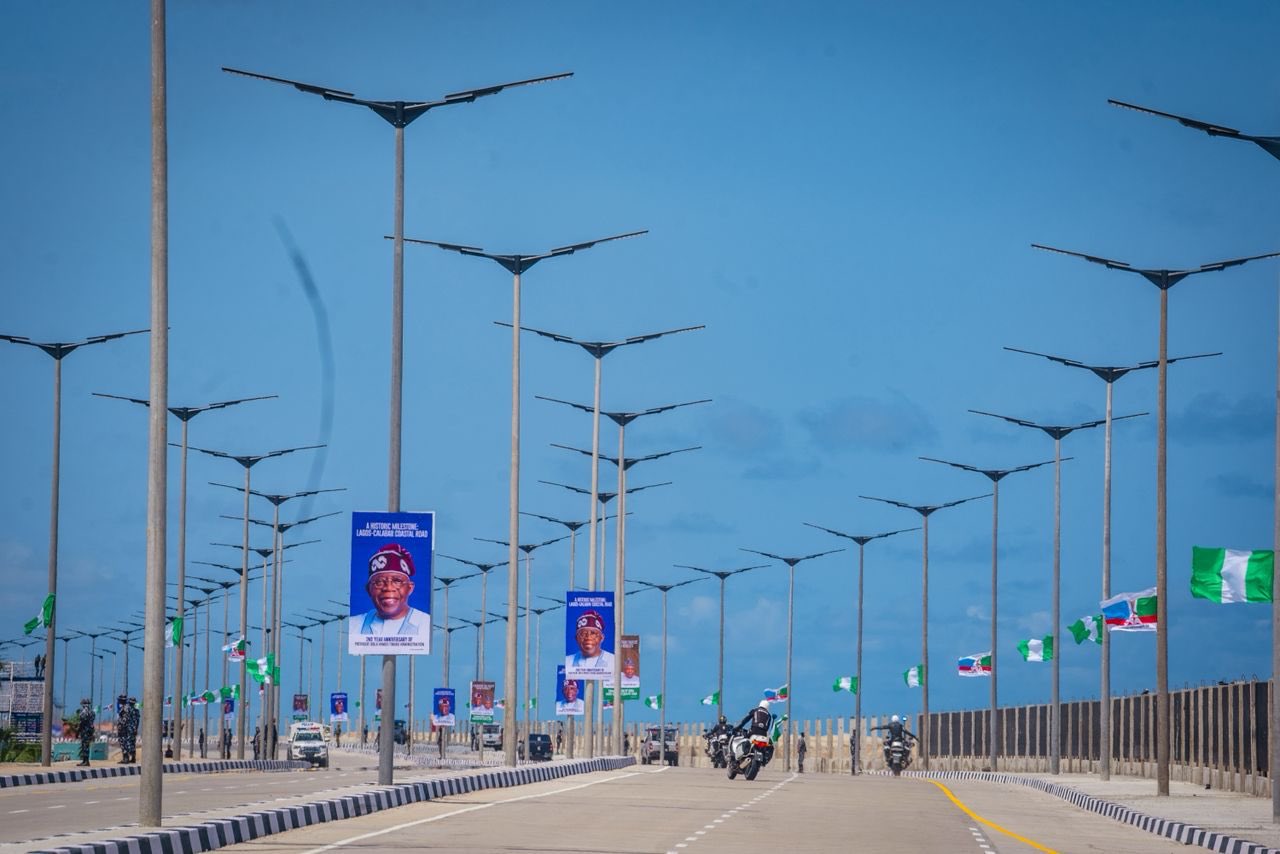
The Lagos-Calabar Coastal Highway is costing Nigeria far more per kilometre than similar road projects in neighbouring West African countries, and the disparity is now impossible to ignore. New figures show that Benin Republic is building 37.7 kilometres of coastal road for $128 million, Côte d’Ivoire is constructing a 54.5-kilometre highway for €203 million, and Senegal and Guinea have a major interstate road project valued at $81 million. Nigeria, by contrast, has secured $747 million in financing for just 47.47 kilometres of the Lagos-Calabar Coastal Highway. That works out to roughly $15.7 million per kilometre.
The Nigerian financing was announced by the Federal Ministry of Information and National Orientation. The $747 million syndicated loan is led by Deutsche Bank and covers Phase 1, Section 1 of the highway, from Victoria Island to Eleko Village. The project was awarded to Hitech Construction Company under an Engineering, Procurement, Construction and Financing arrangement. The loan was described as the first syndicated road infrastructure loan of its size in Nigeria and was oversubscribed by $100 million. The government is contributing 30 per cent of the funding while external lenders provide 70 per cent.
Minister of Works David Umahi has defended the cost, arguing that terrain makes simple cost-per-kilometre comparisons misleading. He said conditions differ every 50 metres and that some portions of the route required excavation of up to 10 metres, soil consolidation and extensive filling. He also said provision was made for a rail corridor and that the project was subjected to the necessary procurement and financing processes. Lenders, he said, examined the environmental impact assessment, resettlement programme, procurement process and unit costs before committing funds.
But the comparison with other West African projects is stark. Benin is paying roughly $3.4 million per kilometre for its coastal road. Côte d’Ivoire is paying approximately $4 million per kilometre for its highway. Nigeria is paying $15.7 million per kilometre, nearly four times what Côte d’Ivoire is spending and more than four times what Benin is spending. The entire 10,228-kilometre Cairo-Cape Town Highway, which stretches across ten African countries and vastly different terrain, was budgeted at just $156,000 per kilometre. The Lagos-Calabar Coastal Highway, projected to cost ₦15 trillion upon completion, is expected to cost more than the combined 2024 budgets of Nigeria’s 36 states.
READ MORE:Red Sea Belongs to Its Coastal States, Egypt, Sudan, Eritrea and Somalia Declare
The figures add to a growing body of evidence that Nigeria’s road procurement is inflated. BusinessDay has reported that a 258-kilometre road project in Kebbi State was awarded at ₦958 billion for a single lane, pushing the cost to nearly ₦4 billion per kilometre. A 120-kilometre road in Sokoto State was procured at ₦454 billion, also for a single lane. The World Bank benchmark for constructing a kilometre of paved road is ₦238 million. Many federal contracts exceed this by a factor of ten. The cost of maintaining a kilometre of road in Nigeria is estimated between ₦400 million and ₦1 billion.
The opacity of the process has compounded concerns. There are no publicly available cost breakdowns, no independent audits, and no transparent procurement records for the Lagos-Calabar Coastal Highway. Neither the Bureau of Public Procurement nor the National Assembly has provided Nigerians with clarity on how the project was priced or how the funds are being monitored. It is precisely this opacity that gives credence to long-standing concerns about inflated contracts, patronage politics and institutional inefficiencies.
The Lagos-Calabar Coastal Highway is a flagship project under President Bola Tinubu’s Renewed Hope Infrastructure Development Agenda. The government says it will boost GDP by $45 billion in five years and create jobs. But with Nigeria’s debt service consuming over 60 per cent of revenue and healthcare and education chronically underfunded, the question of whether the country can afford a road that costs more per kilometre than anywhere else in Africa is becoming harder to answer.
The numbers are clear. Nigeria is paying far more for its roads, and the government has not provided a convincing explanation. Nigerians are tired of asking. They want answers. And they want accountability for every naira spent on a project that is costing the country more than it should.
About The Author

Related Articles
Red Sea Belongs to Its Coastal States, Egypt, Sudan, Eritrea and Somalia Declare
The leaders of Egypt, Sudan, Eritrea and Somalia have issued a joint...
Gambia Receives 21MW Generators From China to Tackle Crippling Power Crisis
The Gambia has taken delivery of two new power generators with a...
JAMB Prioritises Ottawa UTME Centre Over Nigeria’s Broken Exam System
The Joint Admissions and Matriculation Board has announced plans to open a...


Burkina Faso, Mali and Niger Launch Joint TV Channel Tafouk TV to Challenge Western Media
Burkina Faso, Mali and Niger have launched a joint television channel called...
Leave a comment