






China Tightens Travel Restrictions for Citizens Over Tech and Security Concerns
 West Africa WeeklySeptember 15, 20261 Mins read20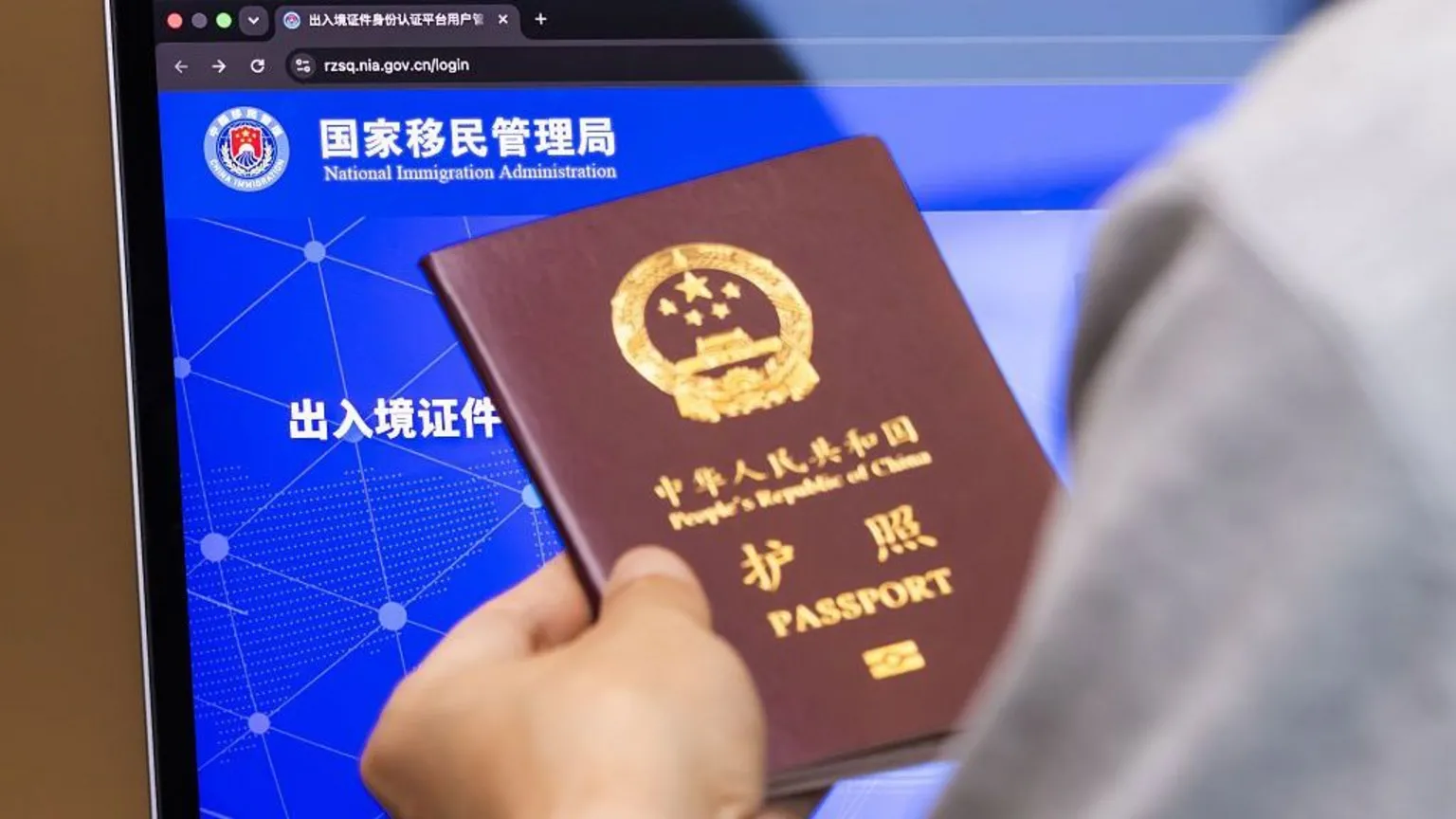
China has tightened travel restrictions for its citizens under new exit-and-entry rules that took effect on September 15, 2026. The regulations bar individuals deemed a potential threat to national technology security from leaving the country.
Under the new rules, Chinese citizens can be barred from leaving for between six months and three years if they return to China after committing illegal or criminal acts abroad that harm national security or interests. The regulations specifically target violations of export controls and technology import-export rules that may endanger industrial or technological security.
Foreign nationals may also be denied entry for one to five years for false statements made in visa applications. Border officials are now required to advise Chinese nationals against travelling to countries or regions considered high-risk.
While China’s citizens are generally free to travel, curbs on personal foreign travel have long applied to senior government officials and state executives with access to confidential information. The new rules expand these restrictions to ordinary citizens in specific circumstances related to technology security and illegal activities abroad.
Chinese authorities have defended the measures as preventive steps aimed at addressing illegal activities overseas and travel to high-risk destinations. The rules were formulated to safeguard national sovereignty, security and development interests, the State Council said.
Many travelers have warned that the travel rules give China a wide remit that could be applied broadly. Security and criminal activities can be vaguely defined and easily adjusted, Chong Ja Ian from the National University of Singapore told AFP. The outside world will only know how it applies that remit after there are cases of implementation.
The measures come amid a reported rise in the use of exit bans in China. According to data cited by the BBC from rights group Safeguard Defenders, Chinese court records mentioning exit bans increased sharply from 89 in 2016 to 188,760 in 2025.
About The Author



Related Articles

Peter Obi Denies Leaving Anambra Debts, Vows to End 2027 Campaign If Proven Wrong
Presidential candidate of the Nigeria Democratic Congress (NDC), Peter Obi, has strongly...

Dozens of 2027 Senate Candidates Carry EFCC Cases as Former Governors with Poor Records Seek Return to Power
The publication of the final list of 1,303 senatorial candidates by the...

Traore Launches $30 Million Textile Complex to Cut Burkina Faso’s Reliance on Clothing Imports
Burkina Faso’s military leader, Captain Ibrahim Traore, has inaugurated a $30 million...


Guinea and Ivory Coast Presidents Agree to Strengthen Security, Trade and Political Ties
Guinea’s President Mamady Doumbouya arrived in Abidjan on Friday for talks with...
Leave a comment