




Finance Minister Taiwo Oyedele Says FG Won’t Publish Spending Details of $5bn FAB Loan, Insists There Is Nothing Special About It
 West Africa WeeklyAugust 24, 20263 Mins read365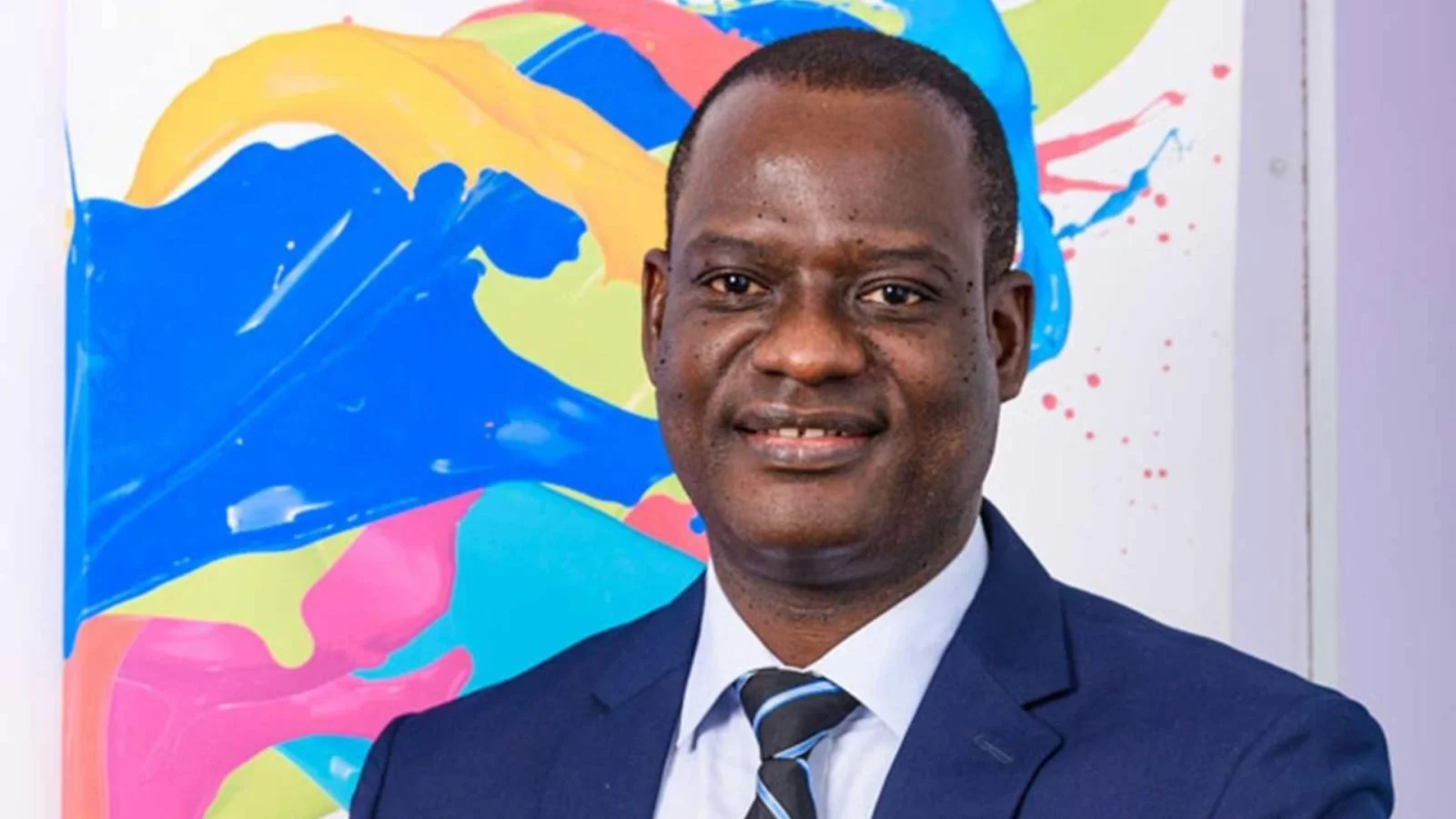
The federal government will not publish a specific breakdown of how funds accessed under its $5 billion financing facility with First Abu Dhabi Bank will be spent. Minister of Finance and Coordinating Minister of the Economy, Taiwo Oyedele, disclosed this at a media briefing in Abuja while responding to questions on the government’s borrowing plans and the controversial FAB financing arrangement. Oyedele said the facility should not be treated differently from other sources of government financing, stressing that the transaction had passed through the required approval processes, including consideration by the National Assembly. “We will not publish how we are spending it. We will publish how we spend government money. There’s nothing special about that loan,” he said. “Nobody has asked us whether we’re going to publish the money we took from the World Bank, whether we publish the one from Eurobond, whether we publish the one from Sukuk. Why is this one special?”
The $5 billion FAB facility forms part of a broader $6 billion external borrowing package approved by the National Assembly in March. The government has so far accessed about $1.5 billion as the first tranche. The arrangement has attracted scrutiny because it is structured as a total return swap, rather than a conventional sovereign loan. Oyedele said the facility was first approved by the Federal Executive Council before being submitted to the National Assembly. “The loan was approved not only by the FEC, it was taken to the National Assembly because what some people are doing is comparing it with other countries where they did it under the table,” he said. The minister also said the government would access the FAB facility in phases instead of drawing down the entire $5 billion at once. According to Oyedele, the phased drawdown is aimed at improving the efficiency of the transaction and reducing the cost of government borrowing. He explained that the FAB facility differs from Nigeria’s traditional fixed-rate borrowing because it carries a flexible interest rate. “This First Abu Dhabi Bank transaction is at a flexible rate. It means if rates go up, we pay more. If rates come down, we benefit more,” he said. He said the plan was to use the financing to refinance more expensive debt and generate savings. Oyedele maintained that the government remained committed to transparency but said it would not publish a separate expenditure breakdown for the FAB proceeds.
Former Vice-President Atiku Abubakar has demanded full disclosure of the facility, insisting that Nigerians deserve to know how the borrowed funds will be deployed. In a statement on Sunday by his media office, Atiku accused the administration of incompetence and financial impropriety, citing a lack of transparency in recent loan agreements. He specifically criticised the government’s handling of the $5 billion facility, insisting that taxpayers deserve full disclosure of how such funds will be utilised. “Since assuming office on May 29, 2023, President Bola Tinubu’s administration has contracted significant new debt,” the statement reads. “According to the Debt Management Office, the Tinubu administration has added N72 trillion of fresh debt stock, bringing the total indebtedness to N159.35 trillion as at early 2026.” Despite the borrowings, Atiku argued that Nigerians have remained poorer and less secure. According to him, poverty levels have risen from 56 per cent in 2023 to between 61 per cent and 63 per cent under the Tinubu administration, leaving over 140 million citizens trapped in multidimensional poverty. “The government is obliged to explain every loan taken on behalf of Nigerians,” Atiku said. “Every Kobo borrowed matters because citizens, both living and unborn, will bear the burden of repayment. Yet these loans have failed to improve their material wellbeing.” He further noted that the federal government is required to pledge securities worth about 133 per cent of the loan amount as collateral, making transparency even more critical. Atiku reminded Nigerians that both the International Monetary Fund and Fitch Ratings have raised concerns about the financing structure, citing risks to transparency and sovereign debt sustainability.
The Alliance for Economic Research and Ethics has also raised concerns over the transparency and risk implications of the facility, urging the government to disclose the material terms of the financing arrangement. The group said the facility involved public institutions, public collateral and public repayment obligations and should therefore be subjected to adequate public scrutiny. The analysis noted that borrowing accounted for about 58 per cent of the stated incremental resources and stressed that the figure should therefore not be presented as N20.4 trillion of free cash generated by the reforms. “Borrowing is financing, not internally generated revenue,” it stated.
About The Author


Related Articles
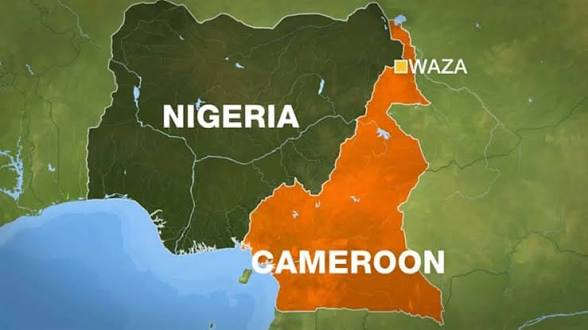
Cameroon Commits to Stronger Bilateral Ties with Nigeria
Cameroon has reaffirmed its commitment to strengthening bilateral relations with Nigeria, pledging...

Ghana Borrows $288 Million at 11% to Pay Cocoa Farmers After Delayed Purchases
Ghana’s cocoa regulator has been forced to borrow 3.39 billion cedis, about...

Burkina Faso President Ibrahim Traoré Defies FIFA, Vows to Intervene in Football Federation After 7-0 Argentina Humiliation
Burkina Faso’s military leader, Captain Ibrahim Traoré, has vowed to intervene directly...

INEC Turns to AI for Election Verification While Nigerians Still Queue for PVCs and Results Vanish on IReV
The Independent National Electoral Commission has announced plans to deploy artificial intelligence...
Leave a comment