





Another Senior Military Officer Killed By Terrorists In Borno, Nigeria, As Tinubu Administration Continues Statement-based Response To Insecurity
 West Africa WeeklyApril 10, 20262 Mins read530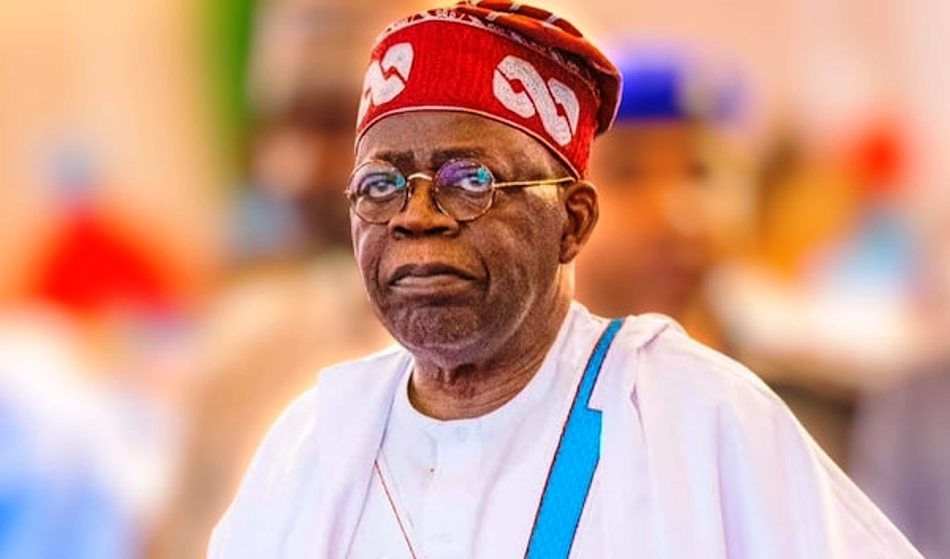
First, Brigadier General Zurukushi was targeted. Then Brigadier General Mohammed Uba. Now, Brigadier General Oseni Omoh Braimah has fallen. The repeated loss of senior military officers in Nigeria’s counterinsurgency operations in Borno State exposes a conflict that remains active, fluid, and unresolved. Each new casualty prompts official statements, assurances of ongoing operations, pledges of support for troops, and condolences to families, yet the pattern on the ground persists.
In a recent statement after renewed clashes in Borno, President Bola Ahmed Tinubu declared that the Armed Forces had intensified sustained land and air offensives against insurgents, describing their counterattacks as desperation, and reaffirmed the government’s unwavering commitment to defeating terrorism and banditry nationwide.
This statement follows Nigeria’s familiar security communication pattern while affirming military pressure, paying tribute to fallen soldiers, and reassuring the public that the state remains in control of the broader conflict.
However, the ongoing deaths of senior officers and persistent violence across multiple theatres expose a stark disconnect between operational claims and battlefield realities.
Beyond Borno, leadership’s physical engagement with crisis zones in other regions has become a focal point. In Jos, Plateau State, a presidential visit after deadly attacks lasted only minutes at the airport. Victims were paraded at a controlled location rather than allowing the President to engage directly with affected communities. This staged engagement fueled public debate over whether crisis visits genuinely demonstrate proximity to the people or merely serve to manage optics.
In Benue State, during a 2025 condolence visit following mass killings, SCHOOL children in Makurdi were lined up along major roads under heavy rainfall to receive the President. The optics of this highly choreographed reception drew widespread criticism, highlighting the disparity between the severity of rural violence and the superficiality of the official response.
Across Borno, Benue, and Jos, a clear pattern emerges in which ongoing military operations are accompanied by high-level statements, combined with highly managed, brief crisis visits confined to controlled environments.
READ MORE: How the EU Uses Traineeships to Quietly Build Networks, Access, and Long-Term Influence in Nigeria
Security concerns are frequently cited to justify limited access to crisis zones. Yet the recurring pattern of brief appearances, controlled meetings, and absence from directly affected communities only reinforces a sense of detachment that official explanations fail to dispel.
What is emerging now is not solely a security crisis but a crisis of visibility, response strategy, and leadership staging during national tragedies.
About The Author



Related Articles
Police Claimed Mines Prevented Rescue of NYSC Members, But Corps Members Walked Out of the Forest After Ransom Was Paid
The release of 20 abducted National Youth Service Corps members in Imo...
Tinubu’s 30-Day Petrol Discount Sparks Fury as Nigerians Accuse Government of Electoral Bribe and Propaganda
The Federal Government’s announcement of a 30-day discount on petrol at NNPC...
Cameroon Commits to Stronger Bilateral Ties with Nigeria
Cameroon has reaffirmed its commitment to strengthening bilateral relations with Nigeria, pledging...


Ghana Borrows $288 Million at 11% to Pay Cocoa Farmers After Delayed Purchases
Ghana’s cocoa regulator has been forced to borrow 3.39 billion cedis, about...
Leave a comment