






While the Sahel Unites, Nigeria Still Struggles With Its Passport Identity
 West Africa WeeklyNovember 5, 20252 Mins read1.2k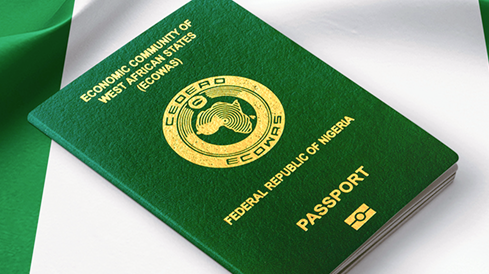
Nigeria’s government has unveiled yet another passport reform, a single travel emergency passport meant to help citizens abroad who must return home urgently. However, while the Nigeria Immigration Service (NIS) promises smoother processing and faster access, the deeper issue remains: Nigeria’s green passport still struggles to open doors worldwide.
NIS Comptroller-General Kemi Nandap’s announcement is part of a broader push to modernise the country’s travel system. She said the emergency passport will consolidate previous formats and make it easier for stranded Nigerians abroad to travel home. It’s a good idea on paper, an attempt to simplify a chaotic system that has left many travellers stuck for months waiting for renewals.
But beyond the headlines, the truth is more complicated. The green passport remains one of Africa’s weakest travel documents. In the 2025 Henley Passport Index, Nigeria ranked 88th out of 199 countries, its best showing in years, yet still granted visa-free or visa-on-arrival access to only 45 destinations. That puts it behind Ghana, Kenya, and far below Seychelles, whose citizens can enter more than 150 countries without prior visas.
For many Nigerians, this isn’t about a lack of paperwork but limited power. A new passport format doesn’t fix the global perception of Nigeria or its sluggish diplomacy. Even with biometric upgrades and emergency editions, the real value of the passport hasn’t changed: it still struggles to get you through borders easily.
READ MORE: Mali: Prime Minister Abdoulaye Maïga Steps In to Tackle Fuel Crisis
Meanwhile, the country’s neighbours are rewriting the region’s mobility story. Earlier this year, Mali, Burkina Faso and Niger, now members of the Alliance of Sahel States (AES), launched a joint biometric passport. The new document, recognised by France and other states, marks a symbolic break from ECOWAS and an assertion of sovereignty. While these nations are smaller and face challenges, they’re experimenting with a shared identity that ties mobility to regional strength.
Nigeria, on the other hand, remains stuck in paperwork. Its citizens still wrestle with endless queues at passport offices, steep processing fees, and constant delays. The new emergency document might help a few in crisis. Still, it doesn’t make global movement any easier for the average traveller or change how immigration officers view that green booklet.
Ultimately, passports are more than travel documents; they reflect national credibility and diplomatic reach. For all of Nigeria’s talk of reform, the country’s travel power remains largely stagnant. While its Sahel neighbours are designing new symbols of unity and independence, Nigeria’s latest passport feels like a patch on an old wound.
Until the country strengthens its global relationships and streamlines its internal bureaucracy, no new booklet, emergency or otherwise, will truly advance its citizens.
About The Author


Related Articles

Algeria Severs Diplomatic Ties With UAE, Closes Airspace to Emirati Aircraft
Algeria announced on Thursday that it was cutting diplomatic ties with the...
Gambia Bans Protests Without Permits After Blackout Unrest Erupts Ahead of December Election
Gambia’s police chief has banned all public protests without official permits after...


Sanwo-Olu Blames Cranes and ‘Iconic Cane’ as Ojota-Opebi Bridge Misses Another Deadline
Lagos State Governor Babajide Sanwo-Olu has offered yet another explanation for why...
Gambia Protests Turn Chaotic as Power Outages Worsen Ahead of December Elections
Thousands of Gambians took to the streets overnight in Banjul and surrounding...
Leave a comment