

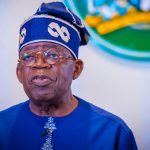
Tinubu Spends $9M on Lobbyists While Nigerians Die from Starved Health System — Less Than ₦36M Released from ₦218B Budget
 West Africa WeeklyFebruary 12, 20262 Mins read846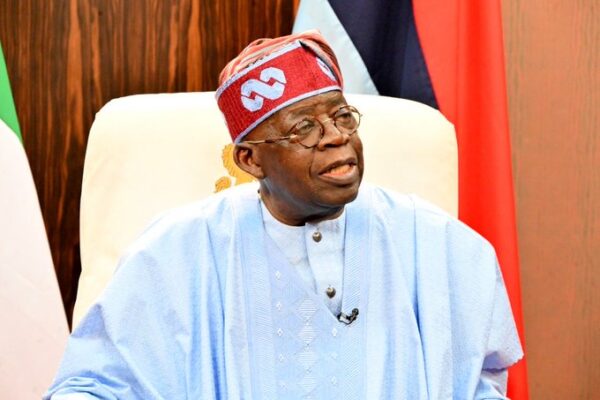
As Nigeria’s healthcare system continues to strain under chronic underinvestment, fresh disclosures that only a tiny fraction of the 2025 health capital budget was released have reignited public anger over government priorities, especially in light of a reported $9 million foreign lobbying contract that serves image management more than citizens’ needs.
On February 9, Health Minister Prof. Mohammed Ali Pate revealed before the House of Representatives Committee on Healthcare Services that out of ₦218 billion, about $150 million, appropriated in the 2025 budget for capital projects, including hospitals, infrastructure and essential equipment, the Federal Ministry of Health received only ₦36 million for implementation. That means less than 0.1 per cent of the approved capital budget was released, leaving critical projects stalled and millions of Nigerians without access to improved facilities or services.
While the personnel portion of the health budget was fully released, the virtual freeze on capital funding exposes a persistent shortfall in health infrastructure investment, even as public health indicators continue to lag behind regional standards and out-of-pocket spending remains high. Analysts note that Nigeria’s health allocation has repeatedly fallen short of the 15 per cent target set under the Abuja Declaration, and that inadequate capital releases deepen structural weaknesses in a system already buckling under demand.
The consequences are not abstract. The death of Ifunanya, a young Nigerian woman who reportedly died due to inadequate hospital resources, highlights the human toll of chronic underfunding. Her case has sparked national outrage, serving as a tragic reminder that insufficient capital investment in healthcare is a matter of life and death.
At the same time, Nigeria’s federal government has faced intense criticism both at home and abroad for signing a reported $9 million lobbying contract with U.S. firms aimed at shaping narratives in Washington, including on issues of insecurity and religious persecution. U.S. lawmakers have publicly condemned the expenditure during congressional hearings, questioning why millions are spent on foreign public relations while citizens struggle with insecurity, violence and access to basic services.
Opposition parties and figures have described the lobbying outlay as “scandalous and indefensible,” arguing that scarce public resources are being deployed to “launder” Nigeria’s image abroad rather than tackle pressing domestic crises such as rising deaths from violence and widespread healthcare deficiencies. This is a misallocation of funds at a time when millions of Nigerians cannot afford essential food, healthcare or security.
Former presidential candidate Peter Obi and other opposition voices have echoed the criticism, saying the $9 million figure reflects broader governance choices that favour propaganda over development, weakening institutional credibility and delaying vital reforms. They argue that rather than paying for narrative management overseas, the government should demonstrate tangible improvements in health outcomes, security and human development.
The contrast between negligible capital health releases and high-profile lobbying expenditure has fueled public discontent and raised deeper questions about policy priorities under President Tinubu’s administration. For many Nigerians, these developments underscore a pattern in which image protection appears to gain precedence over fundamental investments in citizens’ wellbeing and national resilience.
About The Author

Related Articles
Tinubu Government Pushes Electric Vehicles While Nigerians Struggle to Charge Phones Amid a Collapsing Grid
The presidency announced this week that it is pushing for the adoption...

Victor Osimhen Named Greatest Foreign Player in Galatasaray History
Turkish giants Galatasaray have named Nigerian striker Victor Osimhen as the greatest...
Mali Prepares 10‑Point Response Plan as Middle East Tensions Threaten Maritime Supply Routes
Mali’s transitional president, Assimi Goïta, chaired an ordinary session of the Council...

Burkina Faso Takes on Economic Domination with 10‑Day Campaign for Local Consumption
Burkina Faso has kicked off its National Days of Patriotic Engagement and...
Leave a comment