






Senegal Unveils $100m Onshore Oil and Gas Plan After Revoking Idle Licenses
 West Africa WeeklyFebruary 12, 20262 Mins read298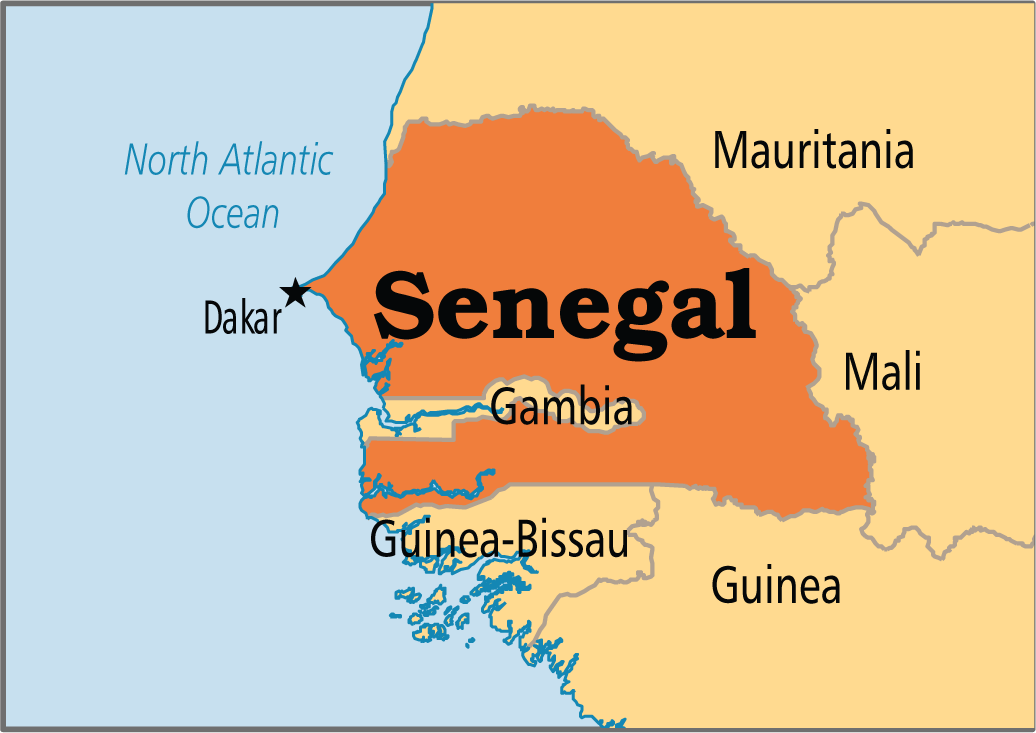
Senegal is moving ahead with a new $100 million onshore oil and gas programme as part of a broader effort to tighten control over its energy resources and reset its hydrocarbons sector.
The move follows the government’s decision to revoke several exploration licenses that officials said were not being developed in line with contractual obligations. Authorities have argued that some companies were holding onto blocks for years without meaningful progress, a situation the state believes slowed investment and limited the country’s ability to benefit from its natural resources.
With the new plan, the government aims to relaunch activity in those areas and attract fresh investors willing to commit capital and meet development timelines. The programme is expected to focus on onshore basins that have long been considered underexplored, even as attention in recent years has shifted toward offshore gas projects.
Senegal has emerged as one of West Africa’s newest hydrocarbon producers, particularly after the start of major offshore gas developments. The country’s leadership has repeatedly said it wants the energy sector to play a central role in economic transformation, job creation, and infrastructure development.
READ MORE: Ghana’s Cocoa Crown Under Threat as Nigeria, Ecuador and Indonesia Close In
Officials say the new onshore initiative is part of that broader strategy. By reallocating blocks that were previously tied up in inactive licenses, the state hopes to accelerate exploration, boost reserves, and increase domestic energy production. The government also wants to ensure that investors meet strict performance requirements, a signal that it is taking a more assertive approach to resource management.
The decision to revoke licenses comes amid a wider push by several African governments to renegotiate contracts, cancel dormant permits, and demand faster development of energy assets. Countries across the continent are under pressure to convert resource discoveries into revenue amid debt, rising populations, and growing energy demand.
In Senegal’s case, the authorities have stressed that the new programme will be implemented under clearer rules, with an emphasis on transparency, local participation, and timely project execution. The government believes this approach will attract more serious investors and prevent the long delays that have affected some previous exploration efforts.
The $100 million initiative is expected to be rolled out in phases, with technical studies, new bidding rounds, and partnerships with private operators forming key parts of the plan. If successful, officials say it could open up new production zones and strengthen Senegal’s position as an emerging energy player in West Africa.
About The Author


Related Articles
Tinubu Government Pushes Electric Vehicles While Nigerians Struggle to Charge Phones Amid a Collapsing Grid
The presidency announced this week that it is pushing for the adoption...

Victor Osimhen Named Greatest Foreign Player in Galatasaray History
Turkish giants Galatasaray have named Nigerian striker Victor Osimhen as the greatest...
Mali Prepares 10‑Point Response Plan as Middle East Tensions Threaten Maritime Supply Routes
Mali’s transitional president, Assimi Goïta, chaired an ordinary session of the Council...

Burkina Faso Takes on Economic Domination with 10‑Day Campaign for Local Consumption
Burkina Faso has kicked off its National Days of Patriotic Engagement and...
Leave a comment