






Nigeria’s Onion Farmers Report 50% Losses Due to Inflation and Rising Costs
 Confidence UbaniNovember 8, 20241 Mins read1.4k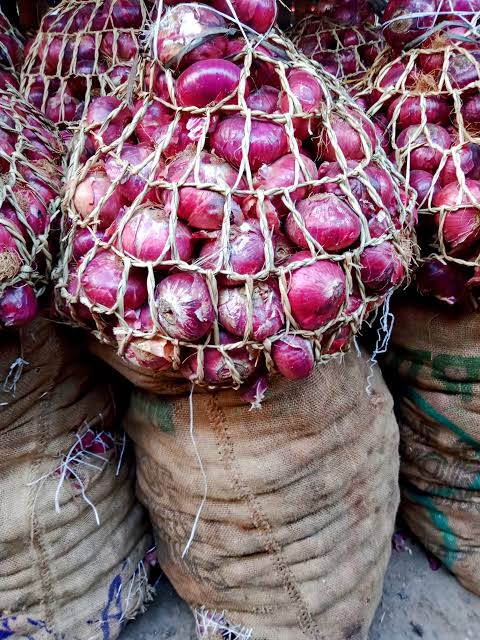
Nigeria’s onion farmers are experiencing over 50 per cent losses due to rising production costs, inflation, and post-harvest losses. Aliyu Maitasamu, President of the National Onion Producers, Processors, and Marketers Association of Nigeria (NOPPMAN), revealed these challenges during a press briefing in Sokoto on Thursday.
Maitasamu explained that the rising cost of onion seedlings has reduced farmers’ ability to grow onions at scale. With production decreasing, he warned that onion prices could rise sharply and affect food security across Nigeria.
“Over recent months, the cost of onion seedlings has surged to unprecedented levels, drastically impacting our production capacity. If farmers cannot afford to cultivate, our output will decline, prices will rise, and ultimately, food security across the nation will be at risk,” he said.
He also pointed out that post-harvest waste is another major issue. According to him, more than half of harvested onions are lost due to poor storage, limited preservation technology, and unreliable transport. Inflation is further straining the sector. Farmers are facing significant increases in fertiliser, pesticide, fuel, and labour costs, which makes business even more difficult. This financial strain is preventing farmers from investing in better technology and expansion, according to Maitasamu.
Additionally, the farmers complained that climate change is disrupting onion farming cycles. Unusual weather patterns and heavy rainfall have caused waterlogging, crop diseases, and lower yields. This has further complicated farmers’ planning and harvesting.
The challenges Nigeria’s onion farmers face mirror the struggles across the country’s business environment, where inflation and rising production costs make it hard for businesses to survive. Prices for essentials like fuel, raw materials, and everyday goods have significantly increased under the current administration—unstable policies, currency depreciation, and poor infrastructure pressure businesses and individuals alike.
Maitasamu urged the government, private sector, and development partners to step in. He called for a “state of emergency” to protect farmers’ livelihoods, stabilise the onion industry, and secure Nigeria’s position in local and global markets.
Read More:
- Abia Governor Otti: We’ve Cleared N90 Billion of Inherited N191 Billion Debt Without Borrowing
- Nigerians React As Slapped Bolt Driver Apologises to Abia Lawmaker
- Tems, Burna Boy, Davido, Lojay, Wizkid, and Rema Earn 2025 Grammy Nominations
About The Author



Related Articles

Ghana Borrows $288 Million at 11% to Pay Cocoa Farmers After Delayed Purchases
Ghana’s cocoa regulator has been forced to borrow 3.39 billion cedis, about...
Nigeria Grows 2.3 Million Tonnes of Tomatoes and Still Spends $360 Million Importing Paste
Nigeria is Africa’s second-largest tomato producer. The country grows about 2.3 million...

Ghana Traders Question New Defence Deal with Burkina Faso Over Security Concerns
The Ghana National Tomatoes Traders and Transporters Association has expressed skepticism about...

Ghana Cocoa Farmers Push Back Against New Law That Could Jail Them for Using Their Own Land
Ghanaian cocoa farmers are pushing back against a newly passed law that...
Leave a comment