





French Cement Giant Lafarge Found Guilty of Financing Islamic State and Other Militant Groups in Syria
 West Africa WeeklyApril 14, 20263 Mins read809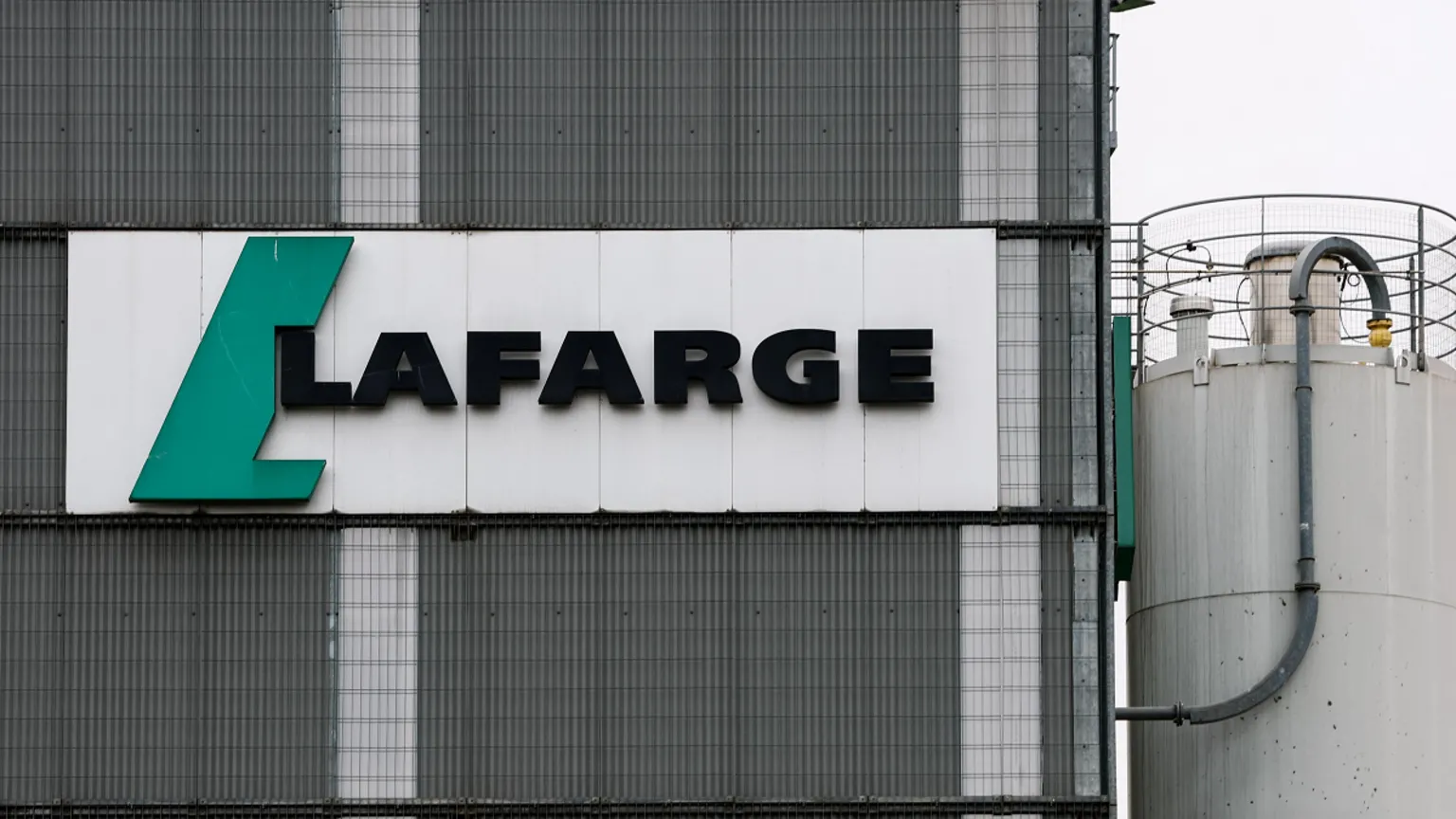
A Paris criminal court has convicted French cement giant Lafarge of financing terrorism, ruling that the multinational paid millions of euros to the Islamic State group and other jihadist organisations to keep its factory running in war-torn Syria. The landmark verdict, delivered on Monday, marks the first time a company has been tried and found guilty in France for the crime of financing terrorism.
The court found that between 2013 and 2014, Lafarge, now a subsidiary of Swiss conglomerate Holcim, paid nearly €5.6 million ($6.5 million) to armed groups including ISIS and the al-Qaeda-affiliated Nusra Front to protect its cement plant in Jalabiya, northern Syria. The payments included over €800,000 to secure safe passage for employees crossing the Euphrates River and another €1.6 million to purchase raw materials from quarries under ISIS control. The presiding judge, Isabelle Prevost-Desprez, described the arrangement as a “genuine commercial partnership with the Islamic State” and said the sole purpose of the funding was to keep the plant operating for economic reasons.
The court sentenced former CEO Bruno Lafont to six years in prison, ordering him to start serving the term immediately, though his lawyer has confirmed he will appeal. Former deputy managing director Christian Herrault was handed a five-year sentence, while other former employees received prison terms ranging from 18 months to seven years. Lafarge was fined €1.125 million ($1.32 million), the maximum corporate penalty available under French law, and an additional €4.57 million customs fine for violating international sanctions. The court also ordered the confiscation of €30 million ($35.1 million) worth of the company’s assets.
Judge Prevost-Desprez stated that Lafarge’s payments directly enabled terrorist groups to gain control of Syria’s natural resources, allowing them to finance attacks both within the region and abroad, particularly in Europe. “It is clear to the court that the sole purpose of the funding of a terrorist organisation was to keep the Syrian plant running for economic reasons,” she said, adding that the payments were “essential in enabling the terrorist organisation to gain control of Syria’s natural resources”.
The case dates back to 2008, when Lafarge acquired the Jalabiya plant for $680 million. The facility began operations in 2010, just months before Syria’s civil war erupted in 2011. While other multinational companies withdrew from Syria in 2012, Lafarge evacuated only its expatriate employees, leaving its Syrian staff on the ground to continue production until September 2014, when ISIS seized control of the plant. Prosecutors said nearly 20 Syrian employees were kidnapped between 2012 and 2014, with some ransoms paid by Lafarge and others left to rely on their families.
This is not the first legal consequence for Lafarge over the scandal. In 2022, the company pleaded guilty in the United States to conspiring to provide material support to designated terrorist organisations and agreed to pay $778 million in fines and forfeiture, marking the first time a company faced such a charge. The company remains under separate investigation in France for complicity in crimes against humanity related to its operations in Syria.
In a statement following the verdict, Lafarge acknowledged the court’s finding, describing the conduct as “a legacy matter involving conduct that occurred more than a decade ago and was in flagrant violation of Lafarge’s Code of Conduct.” The company said it is reviewing the court’s reasoning and considers the decision “an important milestone in addressing this legacy matter responsibly”.
Human rights organisations Sherpa and the European Center for Constitutional and Human Rights, which filed the initial complaint in 2016 alongside former Syrian employees, hailed the ruling as “historic” and “a major turning point in the fight for corporate accountability.” They noted, however, that the Syrian employees who testified about their daily lives marked by fear of bombings, kidnappings, sniper fire, and armed checkpoints are still awaiting compensation.
Legal experts say the verdict sends a strong warning to multinational corporations operating in conflict zones: engaging financially with armed or extremist groups can lead to criminal liability, even when the stated purpose is to protect business operations. The case is expected to set a precedent for future prosecutions of corporate financing of terrorism in France and beyond.
About The Author



Related Articles
Gambian Businesses Struggle Under Prolonged Blackouts as Anger Mounts Ahead of December Election
Gambian businesses are collapsing under the weight of prolonged power cuts that...
Ghana Cuts Fuel Exports to Burkina Faso and Mali to Protect Its Own Supply
Ghana’s state-owned fuel distributor BOST Energies has reduced diesel and gasoline exports...
French Troops in Abidjan While Russian Tanks Roll Through Sahel, X User Sparks Fresh Debate on Foreign Influence in West Africa
A social media post by X user De Black Star (@niq_black) has...

Niger Settles $7.6m Debt With UK Aviation Firm to Save $35m New York Mansion From Seizure
The government of Niger has settled a long-running dispute with Menzies Aviation,...
Leave a comment