


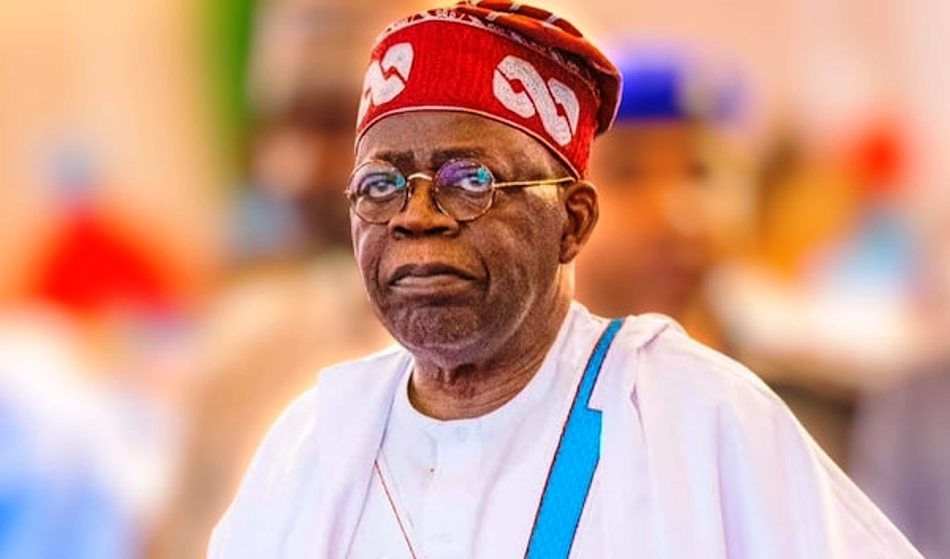
President Bola Tinubu has approved a ₦17 billion Community-Based National Social Action Fund for all 8,804 political wards across the country, an announcement made by the Federal Ministry of Health and Social Welfare on Wednesday. On paper, the fund is meant to empower local communities to identify and execute priority projects such as nutrition support, health commodities, minor school repairs, sanitation improvements, and other grassroots interventions. The implementation is scheduled to run from March to December 2026, with a task force chaired by the Coordinating Minister of Health and Social Welfare, Prof. Muhammad Pate, and funding drawn from a ring-fenced intervention account managed by the Federal Ministry of Finance and the Office of the Accountant-General of the Federation.
But Nigerians are not celebrating. Across social media and public discourse, the reaction has been one of deep suspicion. The question on everyone’s lips is simple, where is the transparency? The government has provided no public breakdown of how the ₦17 billion will be distributed per ward. At just over ₦1.9 million per ward if divided equally, the sum is too small to meaningfully transform any community, yet too large to simply hand over without strict oversight. Who are the verified community-based organisations that will manage the funds? By what criteria were they selected? Who monitors their accounts? What prevents a local government chairman or a ward-level political thug from hijacking the process? None of these questions have been answered. In a country where constituency projects have become notorious for disappearing into the pockets of politicians, Nigerians have learned to read between the lines. They see the timing, an election year looming, and they see the lack of detail, a classic recipe for a vote-buying slush fund dressed in development clothing.
The suspicion is not happening in a vacuum. It comes alongside another, even more controversial financial approval hidden inside the 2026 national budget. President Tinubu’s administration has proposed a staggering N135.22 billion for “Electoral Adjudication and Post-Election Provision” under the Service-Wide Votes. This is a legal war chest meant to cover lawsuits and election petition battles should the 2027 election results be challenged in court. The allocation is separate from the N1.01 trillion statutory transfer to INEC, making the total financial firepower for the 2027 electoral cycle truly enormous. Civil society groups like the Resource Centre for Human Rights and Civic Education have already condemned the legal fund as unnecessary, noting that INEC already has a fully staffed legal department across 36 states. ActionAid Nigeria called on the President to reject the budget entirely, arguing that budgeting over N135 billion for litigation suggests the government already expects the election to fail.
Put these two financial approvals side by side, and a clear pattern emerges. You have a ₦17 billion grassroots fund with virtually no transparent disbursement framework, and you have a N135 billion legal war chest to fight anyone who dares to challenge the outcome. The message to Nigerians is deafening. The government is preparing not to win votes fairly, but to buy influence at the ward level through unaccountable community funds and then crush any legal opposition with an unprecedented litigation budget. Former Kaduna State Governor Nasir El-Rufai has already accused the administration of illegally withdrawing N100 billion monthly from the Federation Account, though that allegation remains unproven. What is proven is the budget line itself. The N135.22 billion is there in black and white. The ₦17 billion ward fund is there in Tuesday’s announcement. And the receipts, as Nigerians like to say, are missing.
Opposition figures have seized on the lack of clarity. The Peoples Democratic Party has questioned why grassroots development cannot be channeled through existing local government structures rather than a newly created, opaque task force. The African Democratic Congress has called for a full audit of all community-based organisations that will serve as implementing partners, warning that without transparency, the fund will become another conduit for election-related inducements. Senator Elisha Abbo issued a blunt warning to the President, saying that if the administration uses public funds to fight the opposition, they will meet them on the battlefield. Meanwhile, the average Nigerian watching from their living room sees the same story they have seen for decades. A government announces money for the poor, provides no clear way to track it, and then quietly budgets billions more to defend the inevitable legal firestorm. The ₦17 billion grassroots fund may have been announced with good intentions, but good intentions without transparency are just a prelude to thievery. Until the government releases a full, ward-by-ward breakdown of disbursements, names of community organisations, and independent monitoring protocols, Nigerians are right to call it exactly what it looks like, a shady operation funded by their own taxes.
About The Author



Leave a comment