


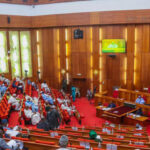

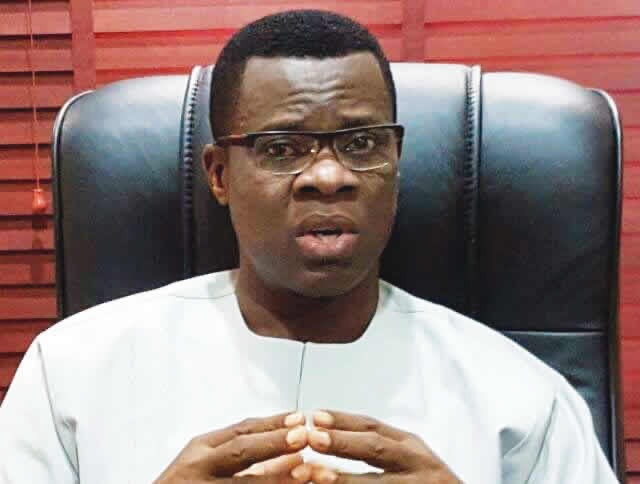
A storm is brewing over Nigeria’s electoral future as a former INEC Electoral Commissioner, Mike Igini, has raised a critical alarm. In a warning that has sent shockwaves across the political landscape, Igini identified Sections 63 and 138 of the newly passed 2026 Electoral Act as a significant danger to the credibility of the 2027 polls.
According to Igini, Section 63 of the act has dangerously reintroduced a provision that allows a presiding officer to accept a ballot paper for the 2027 election even if it lacks the official manufacturer’s mark and security features of INEC. His core fear is that this legal loophole grants a presiding officer dangerous discretion, which could be exploited by politicians who have access to INEC’s serial and security features to produce their own fake ballot papers. Adding to the growing controversy, INEC Chairman Prof. Joash Ojo Amupitan found himself at the centre of a damaging social media storm. Claims spread online alleging that he operated an X account that posted pro-APC content, including a reply that read “victory is sure” to a post celebrating an APC win during the 2023 elections.
The allegations triggered an immediate and furious backlash, with civil society groups and opposition parties like the ADC demanding his immediate resignation. In response, INEC swiftly commissioned an independent forensic cybersecurity investigation. The findings, released to the public, were unequivocal. The commission declared that its chairman does not own or operate any account on X, stating that the viral posts were digitally fabricated as part of a coordinated disinformation campaign. The definitive proof of fabrication, according to investigators, was a timestamp anomaly: the alleged reply from the chairman was timestamped thirteen minutes before the original post it was responding to even existed, a technical impossibility.
The most explosive conflict, however, revolves around INEC’s decision to suspend recognition of the leadership of the African Democratic Congress, the coalition party seen as the main opposition. Citing a Court of Appeal ruling that ordered all parties to maintain the “status quo ante bellum” in a leadership dispute, INEC withdrew recognition from the faction led by former Senate President David Mark. This decision was met with fierce resistance. The ADC and its supporters accuse the electoral body of willfully misinterpreting the court order to serve the interest of the ruling APC.
Human rights lawyer Inibehe Effiong went further, accusing INEC of collaborating with the government to undermine opposition voices and create a leadership vacuum within the ADC. The frustration culminated in a massive protest led by top opposition figures including Atiku Abubakar, Peter Obi, and Rabiu Kwankwaso, who marched to INEC headquarters carrying placards that read “Tinubu, let our Democracy breathe” and “Falle daya ce, one term president”. On the other side of the divide, the APC has dismissed all allegations of interference as baseless. Senator Orji Uzor Kalu, a prominent APC chieftain, has been the most vocal defender of the administration, repeatedly insisting that INEC is an independent body that deserves respect. He has rejected claims that President Tinubu is coercing politicians to defect to the APC, stating that political alignment remains a personal choice. Senator Kalu also expressed strong confidence that no one can defeat President Tinubu in a free and fair election in 2027.
Amid the political bickering, concrete steps are being taken for the 2027 polls. President Tinubu allocated over N1 trillion to INEC in the 2026 budget and also set a resignation deadline for political appointees seeking elective office, triggering a wave of exits from his cabinet. Nigeria is now at a democratic crossroads. With the 2027 elections on the horizon, the battle lines are clearly drawn, and the integrity of the electoral process hangs in the balance.
About The Author


Leave a comment