






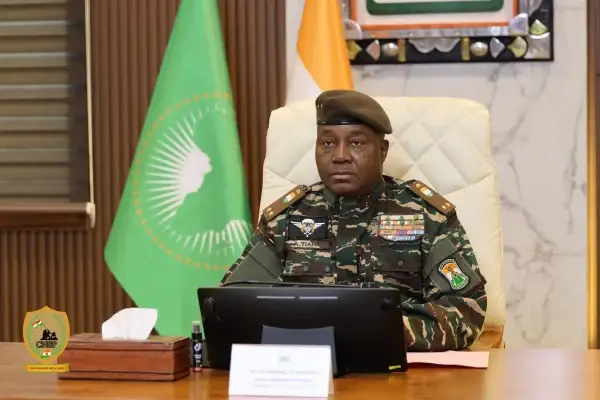
Niger has withdrawn from the Multinational Joint Task Force (MNJTF), a regional military coalition fighting Islamist insurgents in the Lake Chad Basin. The government announced the decision on state television, saying it wants to focus on securing its oil resources and tackling internal security threats.
The MNJTF was formed in 2015 with troops from Nigeria, Chad, and Cameroon. It was created to combat Boko Haram and Islamic State in West Africa (ISWAP). However, poor coordination and internal divisions have weakened its efforts, allowing militant groups to carry out attacks across the region’s remote terrain.
Niger’s withdrawal raises concerns about the task force’s future. Chad also threatened to leave in 2023 after losing around 40 soldiers in a militant attack. So far, the MNJTF has not commented on Niger’s exit.
The Lake Chad Basin has been a hotspot for extremist violence since Boko Haram’s insurgency began in northeast Nigeria in 2009. The conflict has spread into neighbouring countries and killed tens of thousands.
Niger’s decision is part of a broader shift in its foreign and security policies. The country has been cutting ties with Western allies and regional organisations since the military coup that removed President Mohamed Bazoum in July 2023. In another move, Niger has withdrawn from the International Organisation of La Francophonie (OIF), accusing it of serving French interests in Africa.
The OIF had suspended Niger in December 2023 after the coup. In response, Niger’s Foreign Ministry formally confirmed its departure on 7 March. An OIF spokesperson later said that France had been notified.
Niger, along with Mali and Burkina Faso, has worked to reduce French influence. It has expelled French troops and ended military agreements with Paris. In January 2024, the three countries withdrew from the Economic Community of West African States (ECOWAS). Since then, the junta has strengthened ties with Russia and other non-Western allies.
Despite severing key diplomatic ties, the junta insists its priority is security. Last week, Niger’s leaders announced a five-year transition to civilian rule.
Read More: Tchiani Sworn in as Niger’s Transitional President for Five Years
About The Author




Leave a comment