



Mali Says Reports of New Three-State Sahel Currency Are False but Talks Continue on Economic Integration
 West Africa WeeklyJanuary 28, 20262 Mins read936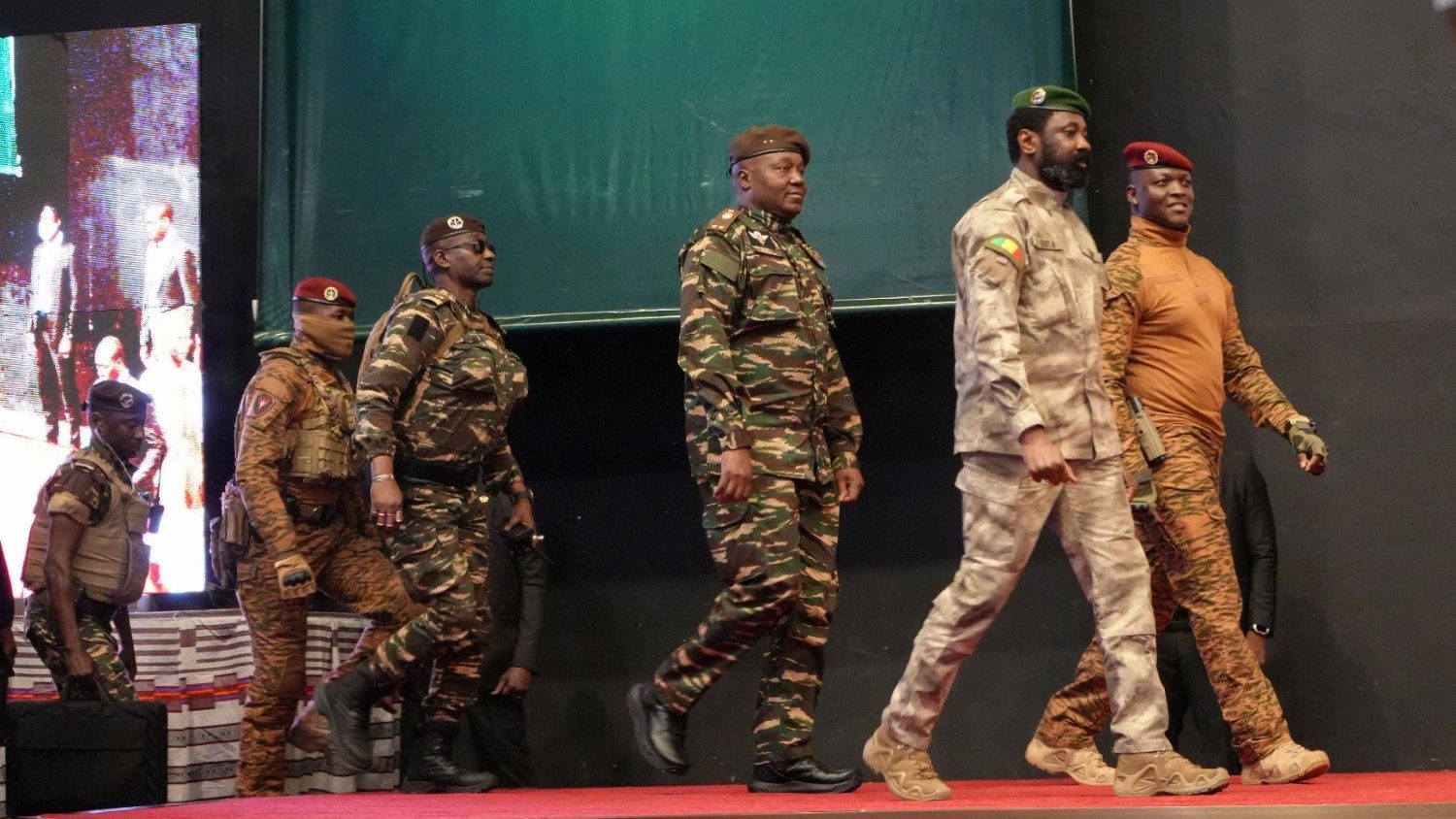
Mali’s government has rejected claims that it and its neighbours, Burkina Faso and Niger, have launched a new common currency, clarifying that no official decision or timeline has been announced for replacing the West African CFA franc. The statement comes amid ongoing discussions among the three Sahel states about deeper economic cooperation and eventual monetary unity.
Recent social media posts and local media articles claimed that Mali, Niger and Burkina Faso had already introduced a new regional currency under the umbrella of the Alliance of Sahel States, a bloc formed in 2023 by the three countries after their exit from the West African regional body, ECOWAS. Mali’s economy and finance ministry said those reports were “fake” and urged the public to rely only on official communications for information about decisions by member states of the alliance. Officials did not provide details on any current plans or timelines for a currency launch, underscoring that discussions remain at a conceptual stage.
Though a formal currency has not been introduced, the idea of a standard monetary unit has been floating among the leaders of the Alliance of Sahel States, which includes Mali, Burkina Faso and Niger. The three nations have repeatedly expressed a desire to pursue greater economic independence from legacy institutions that use the CFA franc, a currency pegged to the euro and managed by the West African Economic and Monetary Union. Leaders of the three countries have said that monetary sovereignty would reinforce their broader goals of regional autonomy, even if such a change would involve significant planning and institutional build-out.
The Alliance of Sahel States itself is part of a broader geopolitical shift in the region. After military takeovers in each country between 2020 and 2023, the three governments gradually withdrew from ECOWAS. They formed their own bloc focused on security cooperation, economic integration, and reduced reliance on former colonial powers. Economic initiatives pursued by the alliance include a joint passport, elimination of roaming fees among the three states, harmonised customs duties and the creation of a shared development bank to finance infrastructure and industrial projects.
READ MORE: CBN Upgrades Opay, Moniepoint, Kuda and Others to National Licences
Discussions about a shared currency have been framed by their leaders as an expression of sovereignty and a step toward greater control over monetary policy. The main argument in favour is that relying on the CFA franc, with its ties to France and the euro, limits national policy flexibility and perpetuates dependence on institutions perceived as colonial residua. By contrast, proponents within the Sahel alliance say a new currency could provide direct control over interest rates, exchange rates and financing for development priorities.
However, economists and analysts note that introducing a new currency is a complex and lengthy process. It would require establishing regional monetary institutions, legal frameworks, and mechanisms for managing exchange rates and inflation. It would also mean disentangling the three countries from the existing monetary zone, which has long offered economic stability through a shared currency and central bank.
Despite persistent discussions among leaders, Mali’s recent clarification shows that talk of a new currency remains aspirational rather than imminent. Officials stressed the need for public reliance on formal announcements, implicitly acknowledging that speculative reporting had outpaced actual decision-making.
For now, Mali, Burkina Faso and Niger continue to use the CFA franc in everyday trade and finance, even as they explore steps to deepen their economic cooperation through the Alliance of Sahel States. The discussions reflect broader regional efforts to redefine economic relationships and pursue greater autonomy, but a concrete plan for a common currency has yet to materialise.
About The Author



Related Articles

Algeria Severs Diplomatic Ties With UAE, Closes Airspace to Emirati Aircraft
Algeria announced on Thursday that it was cutting diplomatic ties with the...
Gambia Bans Protests Without Permits After Blackout Unrest Erupts Ahead of December Election
Gambia’s police chief has banned all public protests without official permits after...


Sanwo-Olu Blames Cranes and ‘Iconic Cane’ as Ojota-Opebi Bridge Misses Another Deadline
Lagos State Governor Babajide Sanwo-Olu has offered yet another explanation for why...
Gambia Protests Turn Chaotic as Power Outages Worsen Ahead of December Elections
Thousands of Gambians took to the streets overnight in Banjul and surrounding...
Leave a comment