




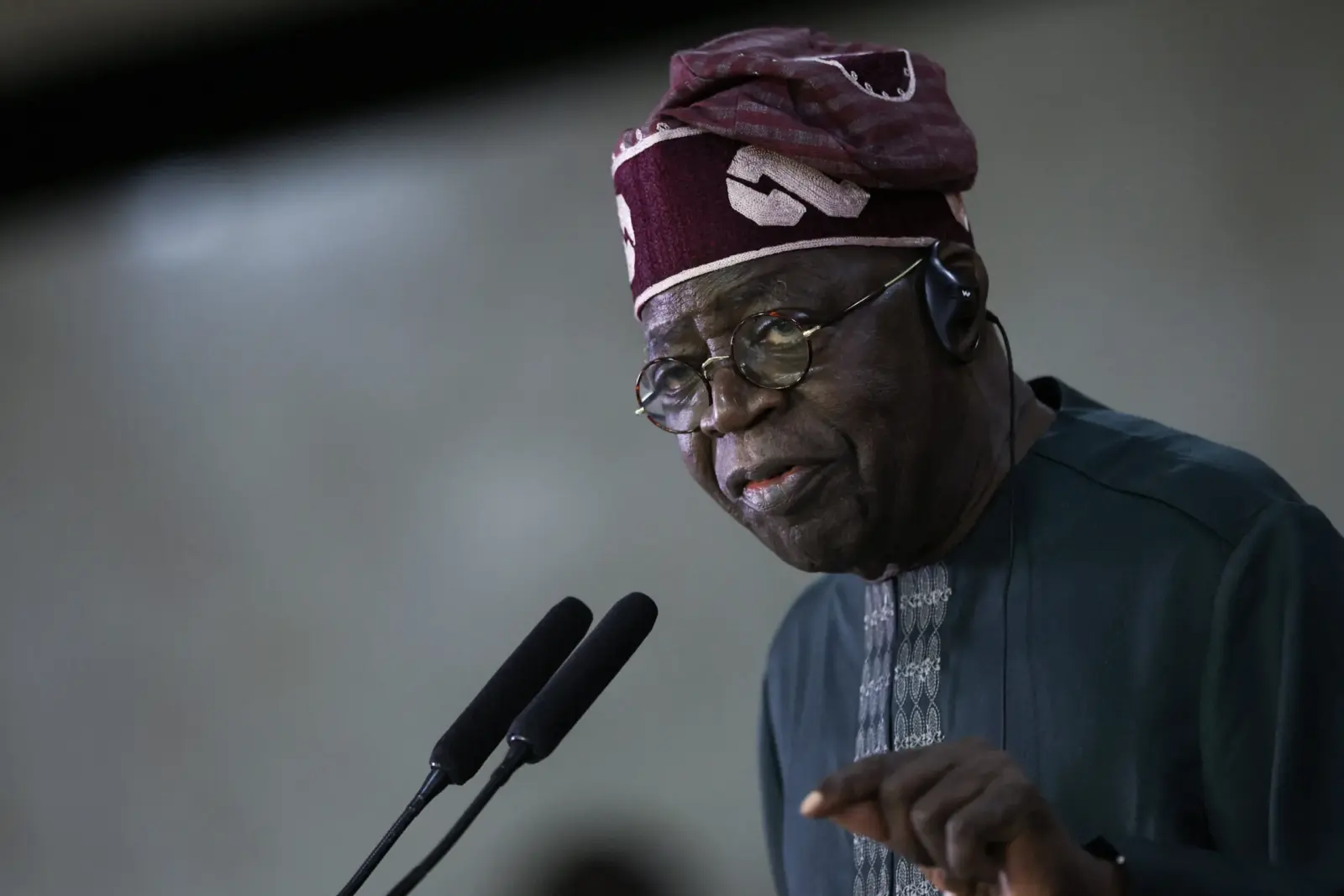
President Bola Tinubu has asked the Senate to approve a fresh supplementary external borrowing plan of $20.52 billion and €1.045 billion, just weeks after the African Democratic Congress warned that Nigeria’s debt profile had become unsustainable and the World Bank flagged a $12.4 billion gap in the country’s external accounts.
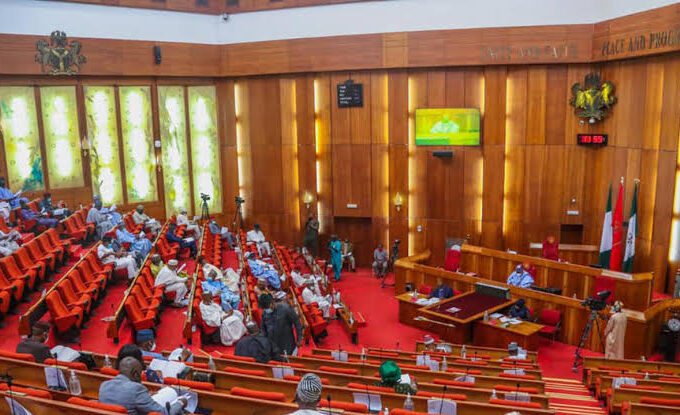
The request was conveyed in a letter read by Senate President Godswill Akpabio during plenary on Tuesday, October 27, 2026. Tinubu said the funds would finance projects and programmes across infrastructure, agriculture, healthcare, education, water supply, security, employment generation and financial management reforms.
The total facility, according to the letter, is $20,517,755,901 and €1,045,083,643. Tinubu told lawmakers the projects were selected after technical and economic evaluations and would be implemented across the 36 states and the Federal Capital Territory. He argued that the scale of Nigeria’s infrastructure deficit made additional external borrowing necessary.
Akpabio, after reading the letter, acknowledged that some components of the borrowing plan had featured in previous budgets and that an external borrowing plan had already been approved as far back as 2025 to 2027 or 2028. He referred the request to the Senate Committee on Local and Foreign Debts, which has one week to review it in collaboration with the Committees on Appropriation and Finance.
The request comes as Nigeria’s public debt stands at N166.79 trillion, with debt service consuming a significant share of government revenue. The Tinubu administration has added more than N79 trillion to the national debt since May 2023. The World Bank has estimated that 63 per cent of Nigerians live below the national poverty line, while 27 million faced food insecurity in late 2025.
Nigerians have repeatedly warned that the government is borrowing to fund consumption rather than production. The African Democratic Congress has described the administration’s economic trajectory as a “Ponzi economy,” accusing it of relying on fresh loans to service existing debts rather than investing in productive sectors. The party also criticised the National Assembly for approving borrowing requests without adequate scrutiny.
For a President who has spent 261 days abroad on 52 foreign trips, who added N1.5 trillion in new road contracts while the Lagos-Calabar Coastal Highway remains without a master design, and who is now seeking another $20.5 billion in foreign loans, the question Nigerians are asking is simple. Where is the money going? And who will pay it back?
Tinubu’s letter insists that the borrowing is prudent and that the projects will create jobs, reduce poverty and improve food security. But the government has made these promises before. The loans will be approved. The debt will grow. And Nigerians will be left to carry the burden long after Tinubu has left office.
About The Author



Leave a comment