






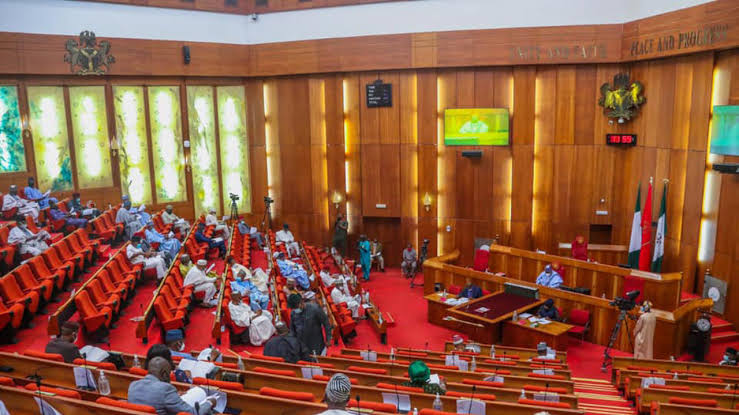
The National Assembly is pushing House Bill 2659, known as the Nutritionists Registration Council of Nigeria Bill, and it has ignited a fierce national outcry. Lawmakers claim the bill is a necessary measure to curb medical quackery and protect public health. But a closer examination of its provisions reveals a dangerous overreach that offers virtually no tangible benefits to everyday Nigerians. Instead, it threatens to dismantle the country’s food sovereignty and criminalize centuries of indigenous knowledge.
At the heart of the controversy is the bill’s incredibly vague definition of nutrition practice, combined with severe criminal penalties. The legislation fails to draw a clear line between clinical hospital dietetics and traditional community knowledge. By failing to distinguish between the two, the bill effectively transforms everyday cultural practices into legal liabilities.
Under this framework, local market traders selling traditional health remedies could face heavy financial penalties or up to two years in prison for practicing without an expensive corporate license. Community elders passing down ancestral food wisdom and local chefs utilizing indigenous recipes would also be criminalized. The bill treats safe, affordable, and deeply rooted Nigerian food heritage as a criminal offense unless it bears the stamp of approval from a westernized regulatory board.
Compounding the domestic threat is Section 32 of the bill, which introduces a direct loophole for foreign interference in Nigeria’s agricultural and dietary policies. The legislation explicitly grants the proposed council the authority to accept foreign grants, financial donations, and partnerships without rigorous federal oversight. This opens a gateway for international agro-chemical corporations and foreign foundations to dictate national food standards.
This financial pipeline allows outside interests to compromise Nigeria’s food independence. It could reshape national dietary guidelines to favor patented foreign seeds and commercialized, processed corporate agricultural products over affordable, locally grown foods.
Furthermore, the bill represents an egregious waste of public funds at a time when the average Nigerian is already grappling with severe economic hardship, high inflation, and fuel price hikes. The legislation completely duplicates the functions of the existing Dietitians Council of Nigeria. This creates an unnecessary parallel agency that strains the federal budget.
This bureaucratic redundancy has triggered internal resistance from other government institutions. The National Universities Commission opposes the council’s attempt to override established authority on university curricula. Rather than protecting the public, the bill creates administrative chaos and wastes taxpayer money to empower a select elite group of professional nutritionists and their potential foreign benefactors.
Ultimately, the legislation strips the common man of food freedom. It silences community voices in national policy and leaves everyday citizens with absolutely nothing to gain.
About The Author








Leave a comment