






Lagos Is Sinking Beneath Its Own History as Government Fails to Act on Sand Filled Ground
 West Africa WeeklyMay 18, 20262 Mins read726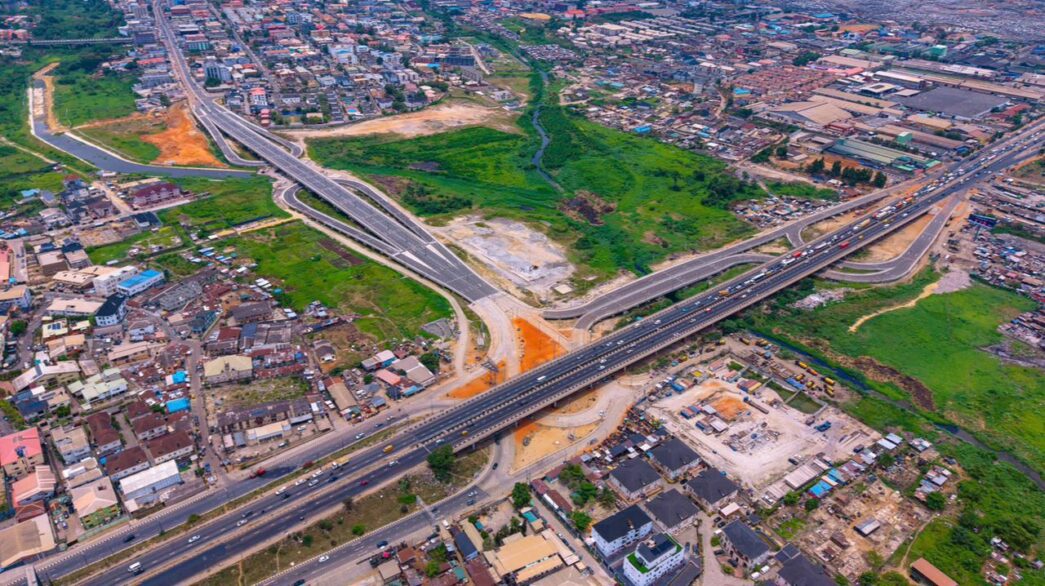
A silent but relentless crisis is unfolding beneath the streets of Lagos. The ground on which Africa’s most populous city stands is steadily sinking, and experts are warning that a lack of decisive government action is turning a geological time bomb into a daily reality for millions of residents.
The problem is deeply rooted in the city’s own history. Between 1925 and 1955, in a bid to manage rapid urbanization, colonial and early post-independence administrations undertook aggressive land reclamation projects. Vast swathes of what is now Lagos Island, Apapa, and Surulere were created by pouring sand directly over mangrove swamps, wetlands, and even tree stumps. At the time, this seemed like a forward thinking solution. But the foundations laid were fatally flawed.
The heavy weight of concrete buildings, from modest bungalows to modern high rises, has been compressing this unstable subsoil for decades. Older homes in these neighborhoods, once built as bungalows with entrance steps, are now seeing their foundations sink so dramatically that residents must step down into their own front doors. This phenomenon is a result of the soft, unconsolidated sediment beneath these reclaimed lands compacting over time. Scientific studies confirm that Lagos is sinking at an alarming rate, with ground levels dropping between 2 and 87 millimeters each year, a rate that threatens the long term viability of the city.
The causes of this subsidence are multifaceted and intensifying. Much of the 20th century construction was built on shallow strip foundations, which are entirely inadequate for the shifting reclaimed land. Modern engineering standards require deep pilings that reach solid bedrock to anchor structures, but these measures were rarely used in older neighborhoods and are still frequently ignored today.
The problem is being exacerbated by the very forces of development meant to modernize the city. As older, small buildings are demolished to make way for multi story luxury apartments, the sudden change in load causes the earth beneath surrounding structures to shift, tilt, or crack.
Furthermore, the proliferation of private boreholes, drilled to combat an unreliable public water supply, is accelerating the crisis. The indiscriminate extraction of groundwater creates voids deep underground, hastening the compaction of the soil and causing the land surface to collapse from below.
Compounding this geological instability is the growing threat of climate change. Rising sea levels, driven by global warming, are steadily eating away at the city’s coastline. When intense seasonal rains coincide with high tides, the city’s overtaxed drainage system fails. Floodwaters inundate streets, pool around building foundations, and wash away the sand supporting structures from underneath, leading to sudden, catastrophic collapses. Between 2005 and 2022 alone, Lagos recorded over 150 building failures that resulted in more than 200 casualties, a toll many experts believe is directly linked to unchecked land subsidence.
Despite the scale of the disaster, residents and advocacy groups say the government’s response has been woefully inadequate. While Governor Babajide Sanwo Olu has defended actions like the demolition of unsafe waterfront shanties in Makoko as necessary to prevent a humanitarian disaster, critics argue these are reactive measures that fail to address the underlying cause. Calls from professional bodies like the Building Collapse Prevention Guild for stricter enforcement of geotechnical testing and building codes have largely gone unheeded.
The problem is particularly acute in high end areas like Banana Island and parts of Victoria Island, where aggressive new sand filling for luxury real estate has displaced indigenous communities and disrupted natural drainage patterns, pushing floodwaters into unprotected low income zones. As the ground continues to sink and the sea continues to rise, the question for the millions living on this precarious foundation is no longer if the next disaster will come, but where and when.
About The Author



Related Articles
How the Multi-Trillion Naira Coastal Road Became an APC Cash Cow Just Like the Notorious Nigeria Air Aviation Scandal
The ruling All Progressives Congress is facing an intense wave of public...

Ethiopia Opens Its First Gold Refinery With $50 Million Investment
Ethiopia has inaugurated its first national precious metals refinery, a $50 million...

Gunmen Kill Worshippers in Kaduna Churches as Intersociety Says 3,083 Christians Killed in Eight Months
At least seven worshippers were killed and several others abducted when armed...


Ghana and US Crack Down on $10m Cyber Scam Network as Credit Dispute Erupts
Ghanaian and United States authorities have dismantled a major cybercrime operation in...
Leave a comment