

Burkina Faso, Mali and Niger Launch Joint TV Channel Tafouk TV to Challenge Western Media
 West Africa WeeklyOctober 5, 20262 Mins read8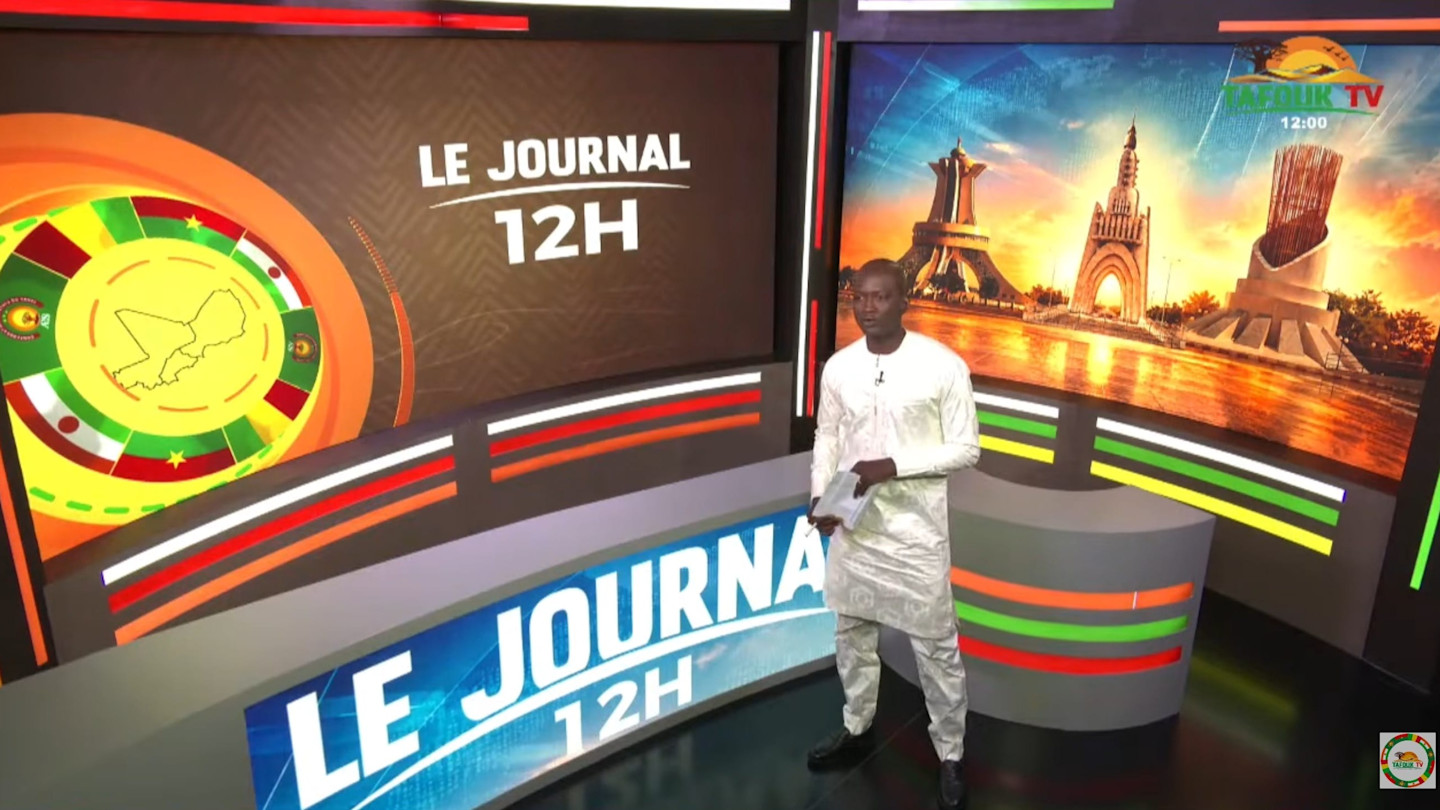
Burkina Faso, Mali and Niger have launched a joint television channel called Tafouk TV, a new regional broadcaster intended to promote the three countries’ own narrative and counter Western media coverage they accuse of being imperialist. The channel, based in Bamako, Mali, began broadcasting on September 16, 2026, and is accessible through Canal+ and online.
The channel’s name, Tafouk, means “sun” in Tamasheq, the language spoken by the nomadic Tuareg people. It broadcasts three news bulletins a day and produces programmes on current affairs, fact-checking, geopolitics and security. Programmes are aired in French and English, as well as regional languages including Bambara, Mooré, Fulfuldé and Hausa.
At the launch, Mali’s Minister of Foreign Affairs, Abdoulaye Diop, said the three countries needed to strike back and ensure their own narrative could be spread. “We had to strike back to ensure that these platforms could spread our own narrative,” he said. Niger’s state television said the people of the Sahel are no longer passive consumers of false and manipulated stories coming from fake news factories.
READ MORE:: Amaechi Claims Tinubu Spent N12 Billion to Change National Anthem, But Was It Budgeted For?
Tafouk TV is openly backed by Russia. In June 2026, Moscow’s ambassador to Mali, Igor Gromyko, praised the channel’s role in the fight against disinformation and cognitive warfare. A month later, the channel signed a cooperation agreement with the parent company of Russia Today in Niamey. RT said the deal covers content exchanges, sharing of expertise and joint coverage of major current events in Russia and the Sahel countries.
The launch is part of a broader effort by the three countries, which formed the Alliance of Sahel States after withdrawing from the Economic Community of West African States. They have turned their backs on France, their former colonial ruler, and strengthened ties with Russia. Tafouk TV follows the December 2025 debut of the AES-wide Daandè Liptako radio station, which broadcasts from Ouagadougou on the frequency formerly used by Radio France Internationale, now banned across the alliance. A joint official press agency based in Niamey is also expected to be set up.
Critics have warned that the new media network should not become a tool for government propaganda and have called for greater media pluralism. The three countries have expelled several foreign correspondents and suspended most major Western media outlets for reporting on losses by their armies, contradicting official accounts of battlefield successes. Despite invoking the need to end years-long jihadist violence to justify seizing power, none of the three governments has succeeded in halting the deadly unrest.
About The Author


Related Articles
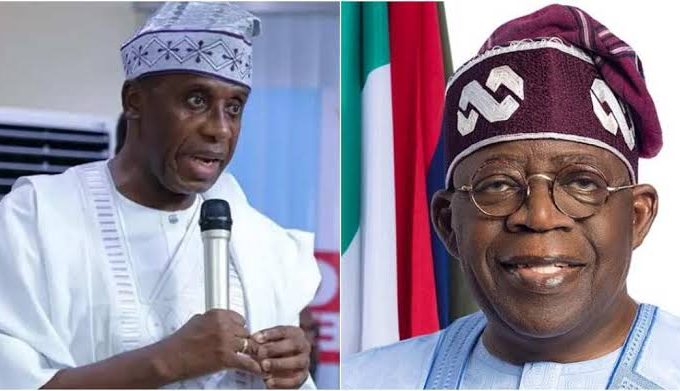
Amaechi Claims Tinubu Spent N12 Billion to Change National Anthem, But Was It Budgeted For?
Former Minister of Transportation and 2027 African Democratic Congress vice presidential candidate,...
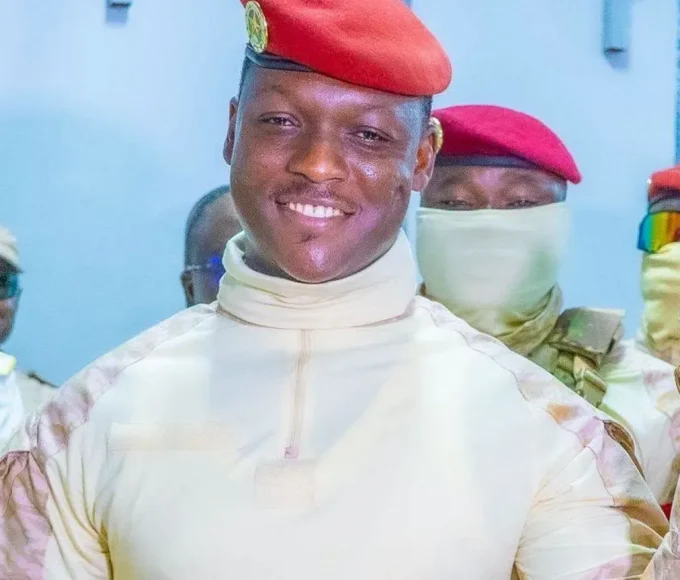
Burkina Faso’s Traoré Says God Is Angry With Black People for Refusing to Use Their Brains
Burkina Faso’s military leader, Captain Ibrahim Traoré, has said God is angry...
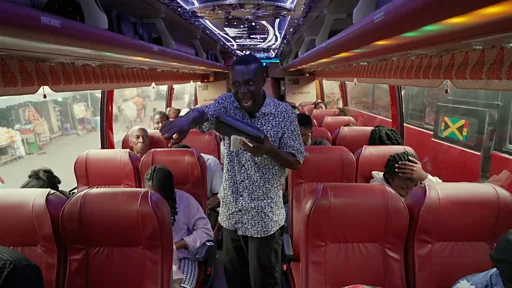
Ghana Begins Jailing Pastors Who Preach on Moving Buses
Ghana has started enforcing a new law that sends pastors who preach...

Senegal’s Power Cuts Force Government to Push Gas as the Long-Term Fix
Senegal’s energy minister says the power cuts that hit the country hard...
Leave a comment