






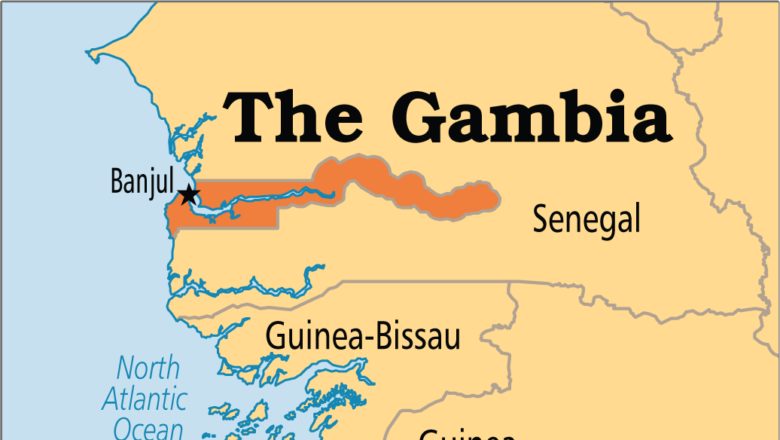
Thousands of Gambians took to the streets overnight in Banjul and surrounding cities, burning tyres and blocking roads to protest prolonged power blackouts that have plagued the country since June. The demonstrations, which began on Monday night and continued into Tuesday, mark a sharp escalation in public anger over electricity cuts that have lasted up to 48 hours in some areas during the country’s hot season.
In the Westfield district on the outskirts of the capital, police fired tear gas as crowds marched toward the headquarters of the National Water and Electricity Corporation (NAWEC), the state-owned energy provider. Protesters chanted “Barrow must go!” as they set fires and blocked traffic, expressing frustration with President Adama Barrow’s handling of the crisis.
President Adama Barrow called the outages “a national security issue” and “an emergency” on Tuesday, declaring that it was “time for action” during a visit to the NAWEC power station in Brikama, near the capital. He is expected to address the nation more formally later in the day. Barrow pledged to boost power supplies by the end of October, according to multiple reports.
NAWEC had earlier attributed the blackouts to a surge in demand driven by high temperatures, combined with “constraints on electricity imports.” NAWEC Managing Director Gallo Saidy also cited climate change and the war in the Middle East as contributing factors, while appealing to Gambians for patience. He cancelled his attendance at a road inauguration to visit NAWEC facilities in Brikama and Kotu, two of the areas hardest hit by both outages and protests.
READ MORE: 1st Niger Bridge Closure Begins as Commuters Lament Owerri Road
The protests come just months before December elections, in which Barrow is running for a third term. Human rights activists have questioned the constitutionality of his third-term bid, adding to the political tension. Information Minister Ismaila Ceesay said in a statement that The Gambia was “treating the situation with the seriousness and utmost urgency it deserves.”
The unrest has spread beyond Banjul. In the town of Farato, protesters gathered outside the residence of Vice President Mohammed B.S. Jallow and destroyed banners at an office. Demonstrations have also been reported in Brusubi and other nearby cities. Some protesters also gathered near President Barrow’s official residence, according to Reuters.
The power crisis has been building for months. NAWEC said in mid-August that it was experiencing an “unforeseen surge in electricity demand during the peak period,” which it attributed to high temperatures. The rolling blackouts have left hundreds of homes without electricity for days at a time, fuelling public anger and raising questions about the government’s ability to manage essential services. For Gambians enduring months of blackouts in sweltering heat, the promises of action ring hollow, and the streets have become their only forum.
About The Author





Leave a comment