




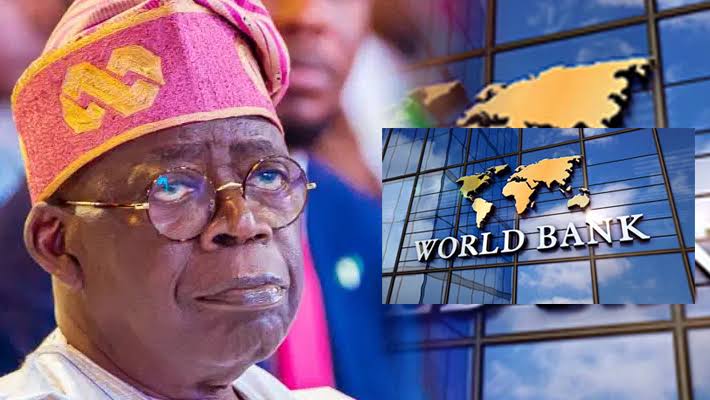
In a devastating blow to Nigeria’s already crippled power sector, the World Bank has cancelled $717.7 million in undisbursed electricity loans. The decision follows the federal government’s formal request on March 26, 2026. It marks a complete shutdown of the Power Sector Recovery Performance Based Operation, or PSRO, more than a year ahead of schedule.
The original financing package totaled $1.52 billion and was approved between 2020 and 2023. It was hailed as a cornerstone of Nigeria’s electricity reform agenda. Today that ambition lies in tatters. Under a restructuring document obtained by several media outlets, the World Bank confirmed that after approving an additional $763.5 million in 2023 to build on initial gains, the government has missed every critical reform benchmark.
The evidence of this systemic failure is staggering. The World Bank explicitly stated that the required performance indicators were not achieved in 2023, 2024 or 2025. The reason given was that the authorities failed to establish a credible and fiscally sustainable financing plan to address ballooning tariff deficits.
Despite the earlier release of hundreds of millions of dollars, the Bank has now slammed the brakes. Data shows that only about $796 million out of the $1.51 billion commitment had been disbursed before the plug was finally pulled. The World Bank has now downgraded implementation progress from satisfactory to moderately unsatisfactory as reform timelines slipped into an abyss.
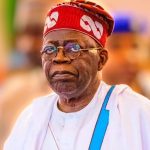
The financial mismanagement is directly tied to President Bola Tinubu’s signature policy decisions. The liberalization of the foreign exchange market in 2023, championed by this administration as a bold reform, has backfired spectacularly on the power sector. Since more than 70 percent of the nation’s electricity is generated using dollar denominated gas, the currency shock demolished the sector’s finances.
Consequently, the tariff shortfall, which is the gap between what it costs to generate electricity and what the government is willing to collect, has exploded from a manageable 140 billion naira in 2022 to a jaw dropping 1.9 trillion naira in 2024 and 2025. This massive hole in public finances occurred because the government refused to allow tariffs to reflect economic realities for most consumers. The administration effectively prioritized political expediency over fiscal solvency.
The result is a nation steeped in darkness and economic paralysis. At a time when the government claims to be attracting investment and boosting generation, the reality on the ground for the average Nigerian is one of perpetual blackouts and a collapsing grid. In 2025 alone, the national grid suffered four major collapses. The most recent one plunged the country into darkness on December 29, 2025.
This collapse of international financing serves as a devastating verdict on the Tinubu administration’s fiscal and energy policies. Billions have been borrowed. Promises have been made. And yet the lights remain off. It is a tragic testament to an executive branch that talks of reform but delivers only regression.
About The Author


Leave a comment