







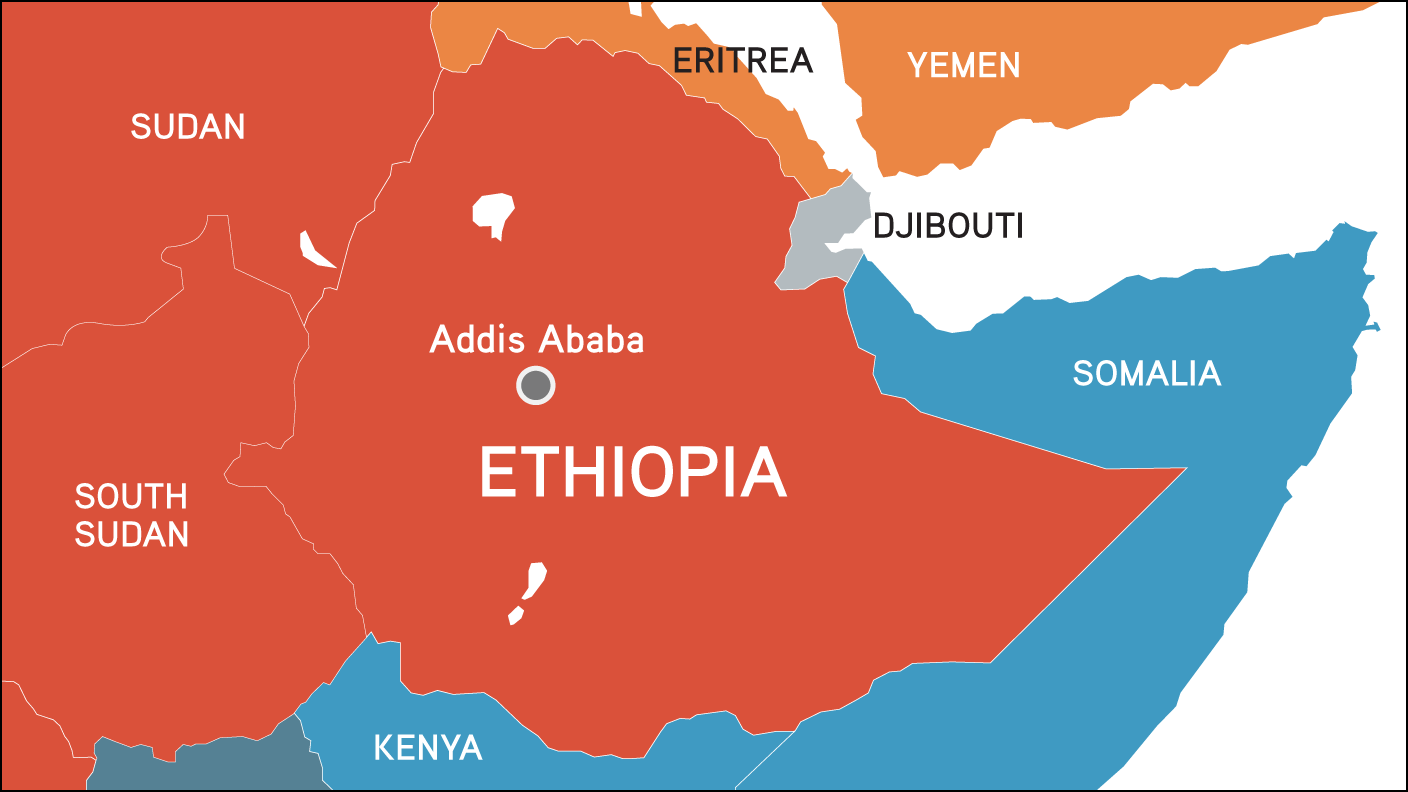
Ethiopia is embarking on a significant economic initiative to build its domestic currency printing capacity, signalling a shift toward greater monetary independence. At the Finance Forward Ethiopia 2026 conference this week, Prime Minister Abiy Ahmed announced that Ethiopian Investment Holdings (EIH), the government’s state-owned investment arm, would take on the project as part of a broader national strategy to reduce dependence on foreign firms for critical economic functions.
Historically, Ethiopia’s central bank, the National Bank of Ethiopia, has relied on foreign contract printers, such as firms in the United Kingdom and elsewhere, to produce its currency, the birr. This reliance involves complex logistics, elevated costs, and external dependencies. Officials say establishing a local printing facility would address these challenges, giving Ethiopia stronger control over its currency supply, enhanced security features, and long-term cost savings.
EIH, which was established in December 2021 to consolidate and professionalise the management of key state enterprises, now oversees more than 40 companies. Its activities span banking, transport, telecommunications, and other strategic sectors. The organisation’s asset base has grown significantly, with combined revenues rising sharply in recent years, positioning it as one of Africa’s most prominent state-owned economic conglomerates. The planned currency printing capacity would sit alongside other ambitious projects such as gold refining and technological investments aimed at driving broader economic transformation.
READ MORE: Doumbouya Sworn In as Guinea’s President After Transitional Rule
Prime Minister Abiy emphasised the broader economic vision behind the programme. By developing key national capabilities that are typically outsourced abroad, Ethiopia aims to nurture indigenous industrial capacity and create long-term economic value. He suggested that if EIH’s goals are realised — including the target for the holding company to contribute a projected 20 per cent of gross domestic product by 2030 — Ethiopia could pass on a more self-sufficient economic structure to future generations.
Supporters of the initiative argue that it reflects a broader continental trend toward economic sovereignty, with several African nations seeking greater control over their financial and industrial infrastructure. Only a handful of African countries currently print their own currency. With the proposed development, Ethiopia would join that group, reducing its reliance on external printers and the associated vulnerabilities posed by global supply chain disruptions and foreign political pressures.
However, challenges remain. Ethiopia continues to grapple with debt pressures and a need for stable macroeconomic management. Experts note that while domestic printing is a step toward monetary autonomy, it must be paired with broader fiscal reforms, robust inflation control, and strengthened governance to ensure that currency production enhances rather than complicates economic stability.
About The Author








Leave a comment