


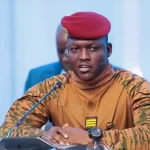

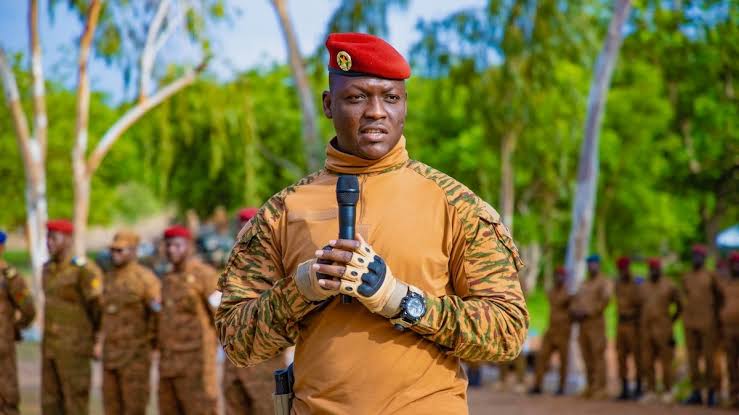
Burkina Faso has recorded more than $6 billion worth of gold through official channels in the first half of 2026, as the military-led government deepens efforts to formalise artisanal mining and tighten state oversight of one of Africa’s largest gold industries. The update was disclosed during the mid-year evaluation of Energy, Mines and Quarries Minister Yacouba Zabré Gouba’s 2026 performance contract, where the ministry reported an overall execution rate of 61.7 per cent as of June 30.
According to the government, 26 tonnes of fine gold were produced by the country’s industrial mines during the first six months of the year. At the same time, the National Precious Substances Company (SONASP) procured approximately 29 tonnes of gold from artisanal and semi-mechanised miners, against a full-year target of 45 tonnes. Together, the two streams represent more than 55 tonnes of gold that passed through Burkina Faso’s official production and procurement channels in the first half of 2026. At current market prices of roughly $3,400 per troy ounce, that volume is worth about $6 billion, underscoring both the country’s growing importance as a global gold producer and the continued strength of bullion prices amid geopolitical uncertainty and robust central bank demand.
The figures highlight the government’s strategy of bringing more artisanal gold into the formal economy. While industrial mining companies report their production directly, gold from artisanal and semi-mechanised miners is purchased by SONASP, allowing the state to improve traceability, curb smuggling, increase official reserves and capture a greater share of mining revenues. This dual approach forms a central pillar of Burkina Faso’s broader mining reforms, which are aimed at strengthening state participation in the sector while promoting greater transparency across both industrial and small-scale gold production.
As part of reforms under the country’s new Mining Code, authorities said they established nine new artisanal mining cooperatives across different regions and delineated four artisanal mining corridors to improve the coexistence of industrial and small-scale mining activities. The government also said it continued operations involving the control, pouring, weighing and packaging of gold to strengthen oversight of national production, while intensifying efforts to dismantle illicit gold trading networks. Authorities added that work is continuing to improve geological knowledge of Burkina Faso’s mineral resources and advance projects managed by the Burkina Faso Mining Participation Company (SOPAMIB), the state-owned mining investment vehicle created to expand government participation in the sector.
The reforms form part of a broader strategy by the military government to increase state control over strategic mineral resources, curb smuggling and ensure a larger share of mining revenues remains within the country. Beyond mining, the government said it had expanded electricity generation and distribution infrastructure. Four power plants, three of them thermal, were completed during the first half of the year, adding a combined 126.4 megawatts of generating capacity. Authorities also completed construction of the 17-megawatt Zagtouli solar power plant, while the Komsilga and Donsin projects continue to advance.
About The Author




Leave a comment