


Burkina Faso, Mali, and Niger Turn to Russia for Shared Telecom Network
 West Africa WeeklyJanuary 23, 20262 Mins read1.1k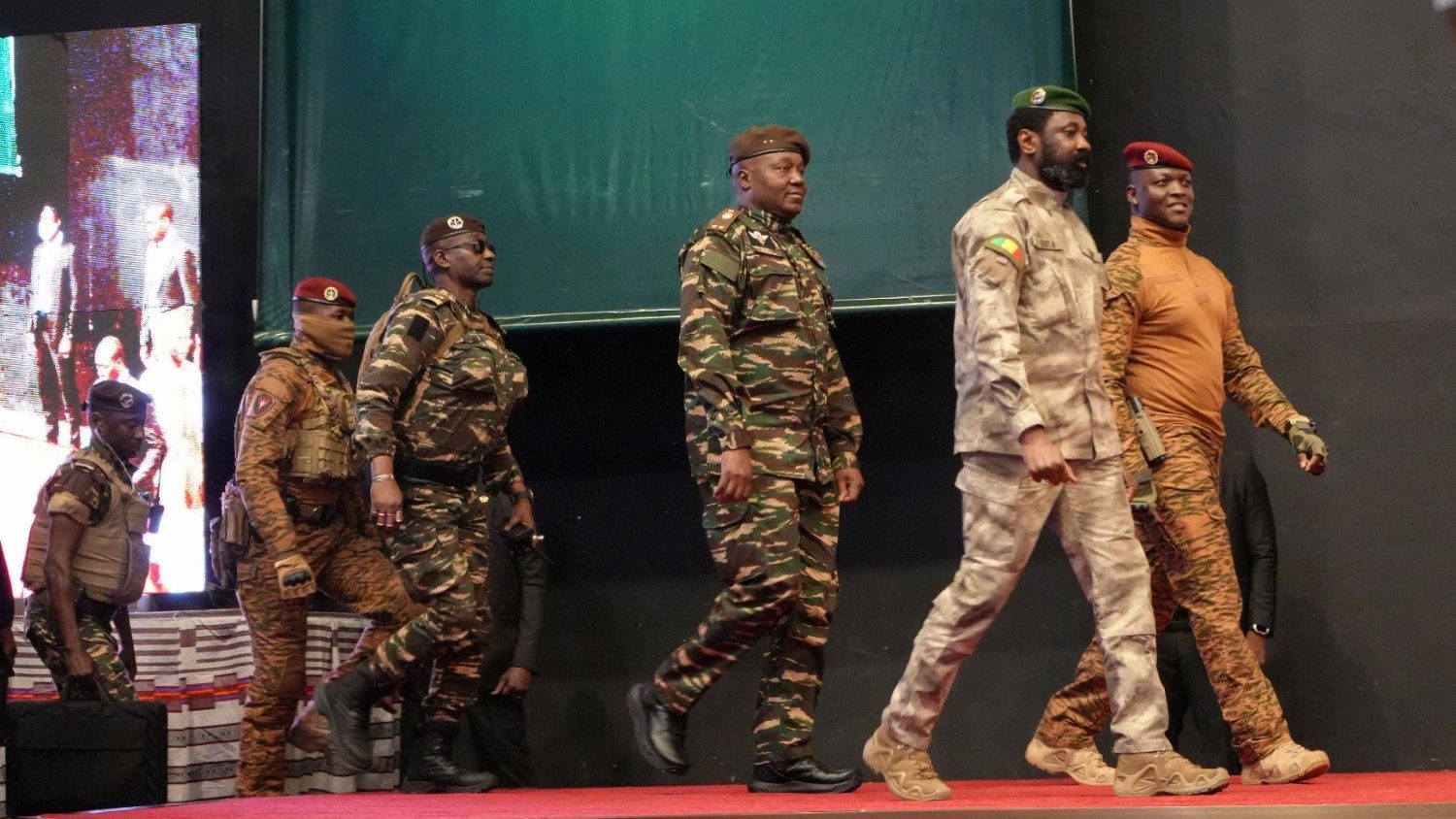
Burkina Faso, Mali, and Niger have announced plans to develop the Sahel’s first shared telecommunications network, turning to Russia for technical support as the three countries deepen cooperation under the Alliance of Sahel States.
The proposed network is intended to strengthen digital sovereignty, reduce dependence on foreign controlled infrastructure, and improve communication security across the region. Officials say the project will support both civilian telecommunications and state operations, including public administration and security coordination.
The initiative comes amid rising geopolitical shifts in the Sahel, where military led governments have distanced themselves from Western partners and pursued alternative alliances. Russia’s involvement reflects its expanding footprint in the region, particularly in security and infrastructure sectors.
According to officials familiar with the project, the shared telecom system would allow the three countries to pool resources, reduce costs, and expand coverage in remote and underserved areas. Many parts of the Sahel remain poorly connected, limiting economic activity and access to essential services.
Telecommunications experts say a regional network could significantly improve resilience, especially in areas affected by conflict where private telecom operators have struggled to maintain infrastructure. A state backed system could ensure continuity of communication during crises.
Beyond security considerations, the project is also framed as an economic development tool. Improved connectivity is expected to support digital services, mobile banking, education, and regional trade. Leaders of the alliance have repeatedly emphasised the importance of technology in achieving self reliance.
READ MORE: Ghana Shares Gold Mining Model With Tanzania
Critics, however, have raised concerns about transparency, governance, and potential surveillance risks. They warn that state controlled telecom infrastructure could be used to restrict access to information or monitor citizens if not properly regulated.
Government officials counter that the project is about sovereignty and security, not repression. They argue that decades of reliance on foreign telecom operators have left critical infrastructure vulnerable and profits flowing out of the region.
The shared network is still in the planning stage, with feasibility studies and financing arrangements under discussion. Russian technical assistance is expected to cover network design, equipment supply, and training of local engineers.
Analysts say the telecom project reflects a broader shift in how Sahel governments view infrastructure. Rather than isolated national projects, there is increasing emphasis on regional cooperation to address shared challenges.
If implemented successfully, the network could mark a turning point in the Sahel’s digital landscape. It would also deepen the political and economic integration of Burkina Faso, Mali, and Niger at a time when the alliance is redefining its place in the region and the world.
About The Author



Related Articles

Veteran Actor Olu Jacobs Dies at 84, Nollywood Mourns the Lion of Lufodo
Veteran Nigerian actor and film executive Oludotun Baiyewu Jacobs, popularly known as...
Lagos Government and Tinubu Cause More Pain as Commuters Sleep in Traffic While Repairs Make Everything Worse
Lagos has become a city where going to work means sleeping on...

Ghana Reaffirms Withdrawal of Recognition of Polisario, Backs Morocco’s Autonomy Plan
Ghana has reaffirmed its decision to withdraw recognition of the Polisario Front’s...

Peter Obi Denies Leaving Anambra Debts, Vows to End 2027 Campaign If Proven Wrong
Presidential candidate of the Nigeria Democratic Congress (NDC), Peter Obi, has strongly...
Leave a comment