



Burkina Faso Opens First Gold Refinery to Process Its Own Gold
 West Africa WeeklySeptember 29, 20263 Mins read20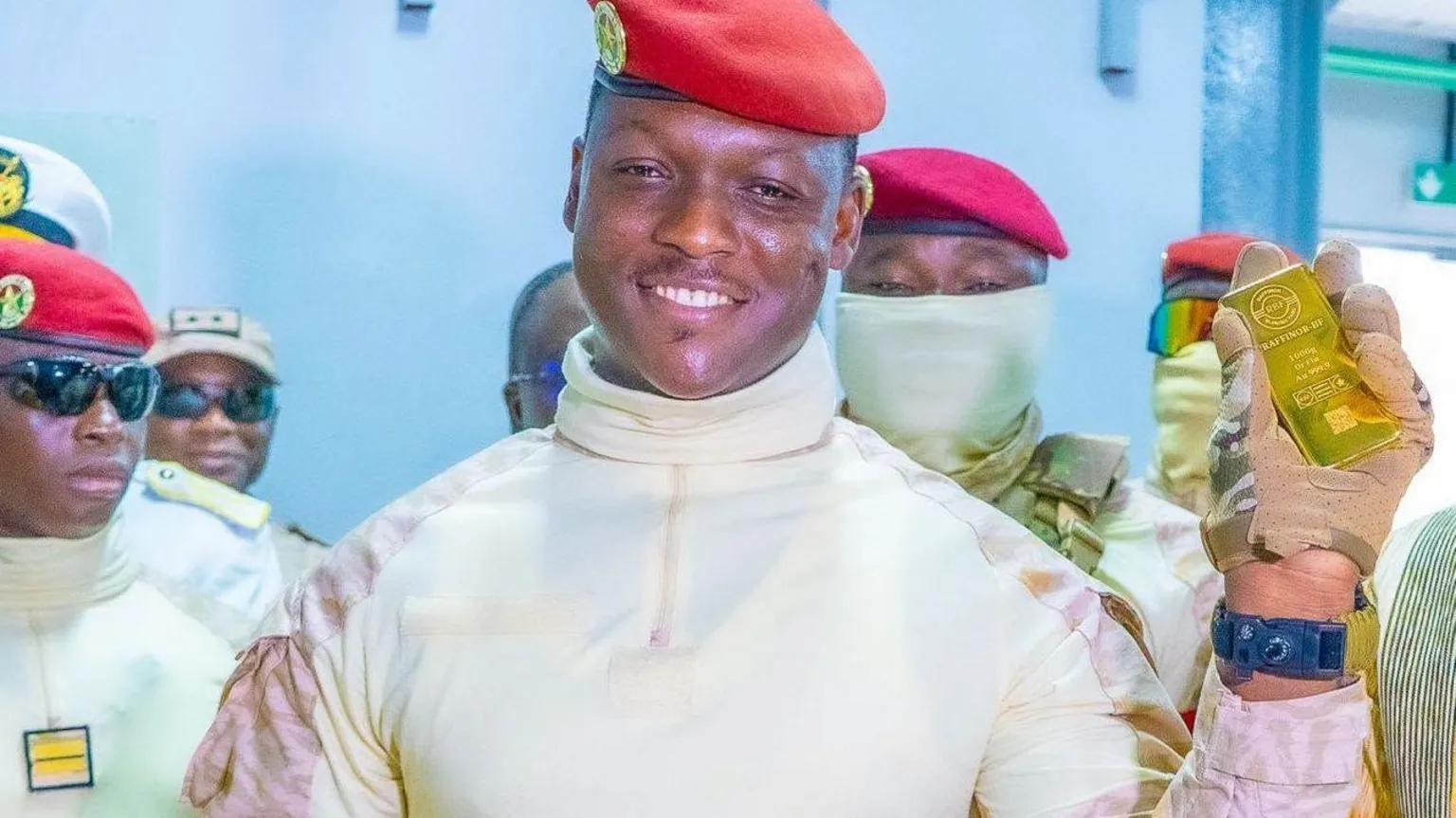
Burkina Faso has opened its first gold refinery, a move the military government says will allow the country to process more of its mineral wealth domestically and retain a larger share of the profits from one of its most important industries.
President Ibrahim Traoré inaugurated the Raffinerie Nationale d’Or du Burkina Faso, known as Raffinor-BF, in the capital Ouagadougou on Monday, September 28, 2026. The state-controlled facility was built at a cost of more than 11 billion CFA francs, approximately $19 million, and has an initial capacity to process 164 tonnes of gold a year. A second phase is expected to increase capacity to 515 tonnes annually. The refinery was financed by the state, including through the National Precious Metals Company, in partnership with Burkina Faso’s private sector.
Speaking at the inauguration, Traoré said the country must move beyond extracting its mineral resources and exporting them for processing abroad. “Our ambition is no longer to be a country that simply extracts and ships its raw materials abroad. We want to refine all our metals locally, we want to have the entire value chain here,” he said. The presidency quoted him as saying that gold from Burkina Faso must not only be extracted in the country but also processed, controlled, valued and certified there.
Burkina Faso is one of Africa’s biggest gold producers. The West African nation is the continent’s third leading producer, churning out more than 94 tonnes of the precious metal in 2025, according to the World Gold Council. Gold remains the backbone of the country’s export economy, accounting for more than 80 per cent of exports according to the IMF, while government figures put its share of export earnings at nearly 94 per cent in the first seven months of 2026. Output rose by 17 per cent year-on-year in the second quarter of 2026, helped by increased production at several mines.
The new refinery is part of a broader push by Traoré’s government to increase state control over the country’s natural resources. Since seizing power in a 2022 coup, Traoré has nationalised several gold mines and introduced policies requiring foreign mining firms to give the state a 15 per cent stake in their operations and train local workers. In 2024, the government suspended exports of gold from artisanal and semi-mechanised mining in a bid to better organise the sector. Traoré had warned that vast quantities of gold were leaving the country fraudulently, and that some of the proceeds were helping to fuel the Islamist insurgency that has engulfed much of the country.
Mines Minister Yacouba Zabré Gouba described the refinery as a historic milestone. “This is the day we take back the keys to our own house. Our gold will no longer be used to create added value for others while our people remain in need,” he said.
The government hopes the facility will turn landlocked Burkina Faso into a regional gold-refining hub. The eventual capacity of 515 tonnes is significantly more than the country’s current annual production, suggesting the refinery is also intended to process gold from elsewhere in the region. The refinery includes a foundry, an analytical laboratory, secure storage facilities and a jewellery unit. It is expected to create approximately 100 direct jobs and more than 5,000 indirect jobs.
The move mirrors a growing trend across West Africa, where governments are taking steps to reclaim control over their natural resources by rewriting mining codes, banning exports of raw produce and boosting government ownership. Guinea and Ghana recently restricted gold exports, Mali said it was building a gold refinery together with Russia’s Yadran Group, and Ivory Coast announced it would open one next year.
However, significant challenges remain. Burkina Faso has struggled for years to regulate its extensive artisanal and small-scale mining industry, where smuggling and informal trading have made it difficult for authorities to account for all the gold produced. Armed groups linked to al-Qaeda and the Islamic State have profited from the illicit gold trade, using it to finance their operations and control mining areas. The government has also been fighting an Islamist insurgency that has left large areas of the country outside full government control.
About The Author

Related Articles
Nigeria Grows 2.3 Million Tonnes of Tomatoes and Still Spends $360 Million Importing Paste
Nigeria is Africa’s second-largest tomato producer. The country grows about 2.3 million...
FG Approves Upgrade of Onne, Rivers, Delta, Calabar Ports, Another Promise That May Never See Daylight
The Federal Government has approved the comprehensive modernisation and upgrade of Onne,...
Nigeria and Uganda Signed US Health Deals Giving Access to Medical Records as Ghana Rejected Similar Pact
Nigeria and Uganda signed health agreements with the United States in December...

Niger Accuses France and Ukraine of Backing Proxies to Attack Its Territory in Fiery UN Speech
Niger’s representative at the United Nations General Assembly has accused France and...
Leave a comment