


Burkina Faso Orders NGOs to Spend 80% of Budgets Locally as Russia Fills Void Left by West
 West Africa WeeklySeptember 28, 20262 Mins read11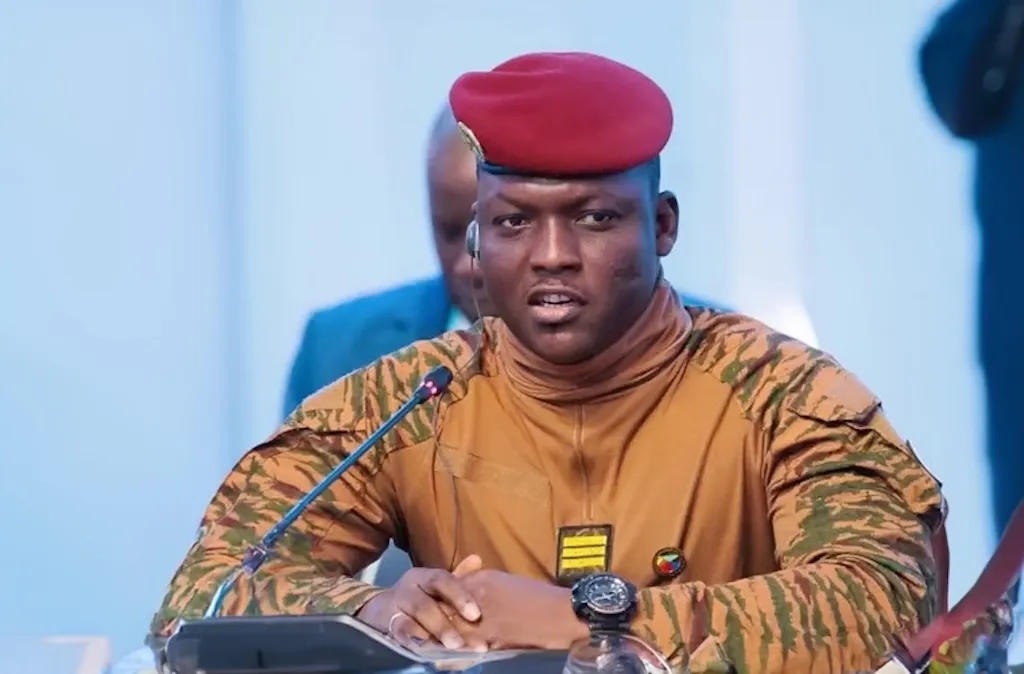
Burkina Faso’s military government has adopted strict new regulations requiring non-governmental organisations to allocate at least 80 per cent of their total budgets directly to field operations, a move that critics say will consolidate state control over civil society and open the door for Russian influence in the Sahel.
The decrees, adopted during a Council of Ministers meeting chaired by Captain Ibrahim Traoré on September 24, 2026, mandate that organisations operating in Burkina Faso dedicate at least 80 per cent of their resources to direct investments benefiting local communities. Administrative and operating costs cannot exceed 20 per cent. The measures stem from a July 2025 law on freedom of association and build on previous restrictions, including a requirement that NGOs domicile their accounts with the Public Treasury and a July 2026 directive obliging humanitarian organisations to allocate 60 per cent of their funding to improving local economic independence.
Government spokesperson Gilbert Ouédraogo said the reform aims to ensure that funds raised in the name of vulnerable populations actually reach them, rather than being consumed by administrative salaries, vehicle fleets and foreign experts. Economy and Finance Minister Aboubacar Nacanabo explained that local associations will now be required to sign a framework agreement with the state, while foreign organisations must execute a headquarters agreement. Existing organisations have been granted a two-year grace period to comply, during which authorities may conduct administrative, financial and technical audits.
The crackdown on NGOs is part of a broader pattern. In April 2026, Burkina Faso dissolved 118 civil society organisations and associations in a single administrative decree, the most significant purge of civil society in the country’s post-independence history. Authorities accused many of these organisations of serving as vehicles for foreign-funded political influence, a charge Western NGOs and human rights groups reject. Critics warn that the 80 per cent threshold will force organisations to cut monitoring staff, delay audits and relocate operations artificially to meet the ratio, rather than improving their core work. Human rights organisations have also raised concerns that reducing NGO operations could affect humanitarian assistance in communities facing severe insecurity, with around 2.7 million people in need of aid.
READ MORE: Nollywood Sets Guinness World Record as Over 51,000 Watch ‘Black Market’ at TBS Lagos
The timing and direction of the reforms have fuelled speculation about Russia’s expanding role. Traoré’s government expelled French forces in 2023 and has deepened security and diplomatic ties with Moscow, hosting Africa Corps paramilitaries and signing agreements on military cooperation, education and public health. A LinkedIn analysis published in April 2026 noted that Burkina Faso’s ban on more than 100 NGOs coincided with Russia’s Africa Corps moving in, “trading security services for resource access” and inheriting supply chain corridors that Western organisations had built over decades.
Moscow has also been building a network of pro-Russian civic organisations across the Sahel. The African Initiative, a Moscow-based agency launched in 2023, embeds pro-Russian influence inside African civic life through NGOs, journalism schools, sport and health initiatives, and its methods have taken root in Burkina Faso. As Western-funded NGOs are pushed out or forced to restructure, Russian-aligned organisations are positioned to fill the void, gaining credibility and access to communities that international aid groups once served.
The government presents the reform as a matter of national sovereignty, insisting that foreign aid must align with Burkina Faso’s priorities and deliver tangible benefits. Traoré has repeatedly framed his administration as a break from what he calls Western neo-colonialism, and the new NGO rules are consistent with that narrative. But the practical effect is to reduce the space for independent civil society, restrict the flow of external funding, and create an environment where Russian-linked organisations can operate with fewer competitors. For the communities that depend on humanitarian assistance, the question is not whether the funds are aligned with national priorities, but whether they will arrive at all.
About The Author


Related Articles
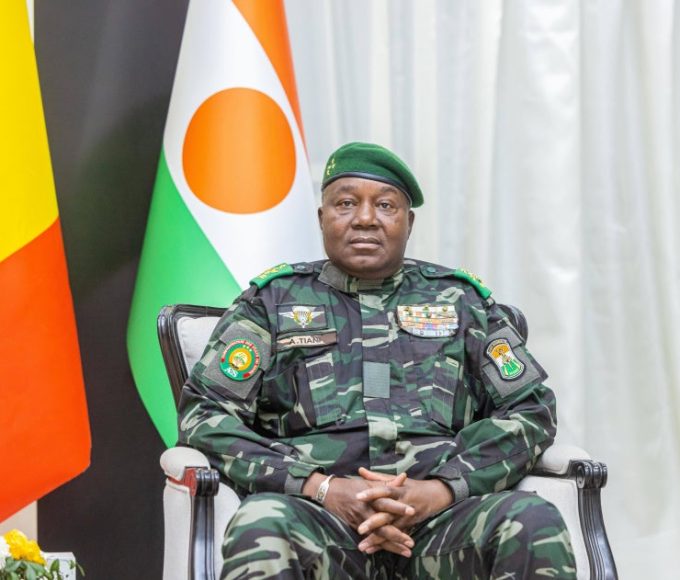
Niger Accuses France and Ukraine of Backing Proxies to Attack Its Territory in Fiery UN Speech
Niger’s representative at the United Nations General Assembly has accused France and...
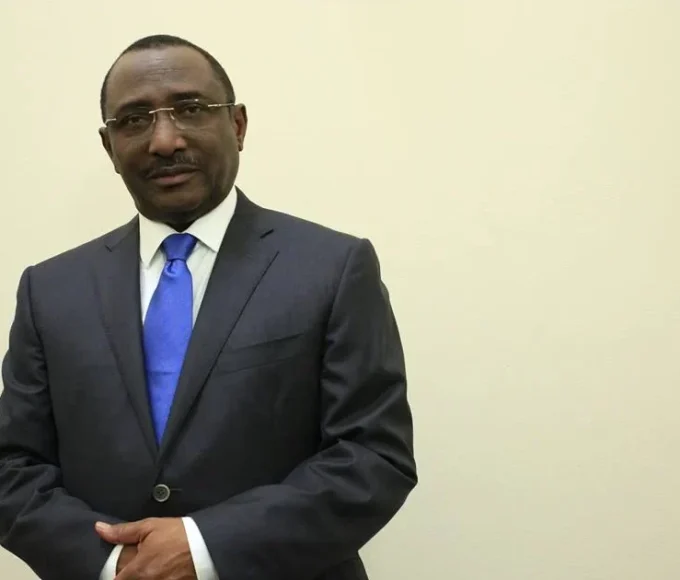
Sidya Touré, Guinea’s Former Prime Minister and Leading Opposition Figure, Dies in Paris at 81
Sidya Touré, a former prime minister of Guinea and one of the...
Tinubu Seeks Fresh $1.5bn World Bank Loan as Nigeria’s Debt Hits Record N166.79tn
President Bola Tinubu’s administration has opened fresh discussions with the World Bank...

Lagos Deputy Governor Obafemi Hamzat Mocks Lagosians, Calls Traffic a Lifestyle
Lagos State Deputy Governor Obafemi Hamzat has sparked outrage after telling a...
Leave a comment