





Over the past five years, Nigeria has witnessed an unprecedented exodus of multinational corporations, with more than 70 companies leaving the country between 2020 and 2026, according to BusinessDay. The departures span multiple sectors, including pharmaceuticals, energy, consumer goods, technology and retail, driven by a combination of foreign exchange shortages, currency devaluation, rising operational costs, inflation and regulatory challenges.
The exits have raised serious questions about Nigeria’s investment climate and the sustainability of its economic policies. Below is a detailed look at some of the most significant departures.
Uber (2026)
Uber announced on September 2, 2026, that it would discontinue its ride-hailing operations in Nigeria after 12 years, effective immediately. The company also exited Uganda the same day, while retaining operations in Egypt, Ghana, Kenya and South Africa. Rising fuel costs, inflation, currency volatility, vehicle maintenance expenses and pressure from drivers over fares made it difficult to balance affordable prices for riders with sustainable earnings for drivers and the platform. The exit followed years of driver protests over low fares and high commission rates.
Equinor (2024)
Norwegian energy company Equinor completed its exit from Nigeria in December 2024 after more than 30 years of operations. The company sold its assets, including a 20.21 per cent stake in the Agbami oil field operated by Chevron, to Nigerian-owned Chappal Energies for $1.2 billion. The exit was part of Equinor’s strategy to focus its international portfolio on countries where it could add the most value. Total estimated consideration from the Nigerian and Azerbaijani exits was up to $2 billion.
Sanofi-Aventis (2024)
French pharmaceutical manufacturer Sanofi-Aventis Nigeria Ltd exited the country in November 2024. The company, a major supplier of polio vaccines, cited difficulties in obtaining foreign currency, which was crucial for importing medical products. Sanofi transitioned to a third-party distribution model, operating through CFAO Healthcare, rather than continuing direct investment in the challenging market.
Kimberly-Clark (2024)
American personal care corporation Kimberly-Clark, maker of Huggies and Kotex products, announced its exit from Nigeria in May 2024 after almost 15 years of operations. The company described the decision as “difficult” and said it would close its manufacturing facility and commercial office in Lagos. It cited refocused company strategic priorities globally as well as economic developments in the country as reasons for the departure.
Bolt Food (2023)
Bolt Food, the food delivery arm of ride-hailing company Bolt, shut down its operations in Nigeria effective December 7, 2023. The company had launched in Nigeria in October 2021 and partnered with over 10,000 restaurants. It cited “business reasons” for the decision, noting it needed to streamline resources and enhance overall efficiency.
Microsoft (2024)
Microsoft announced in May 2024 that it would close its Africa Development Centre in Lagos, two years after it opened. The closure affected about 200 employees, while the Kenyan centre remained operational. Economic challenges in Nigeria, including currency volatility and rising operational costs, were cited as possible reasons for the closure. The claim that Microsoft has “left Nigeria” is false; the company only shut down a centre in Lagos.
Jumia Food (2023)
Jumia Food, the food delivery service of pan-African e-commerce giant Jumia Technologies, shut down operations in Nigeria and six other African markets by the end of December 2023. After a remarkable 82 per cent year-over-year growth in 2021, the company experienced a sharp decline in 2023 due to a focus on profitability and reduced consumer incentives. CEO Francis Dufay said the company needed to direct management, teams and capital resources toward its core physical goods business and Jumia Pay platform.
GlaxoSmithKline (2023)
British pharmaceutical giant GlaxoSmithKline announced its exit from Nigeria in August 2023 after 51 years of operation. The company had been incorporated in Nigeria on June 23, 1971, and commenced business on July 1, 1972. GSK said it would cease commercialisation of its prescription medicines and vaccines through local operating companies and transition to a third-party distribution model. The board concluded there was “no alternative but to cease operations”.
Procter & Gamble (2023)
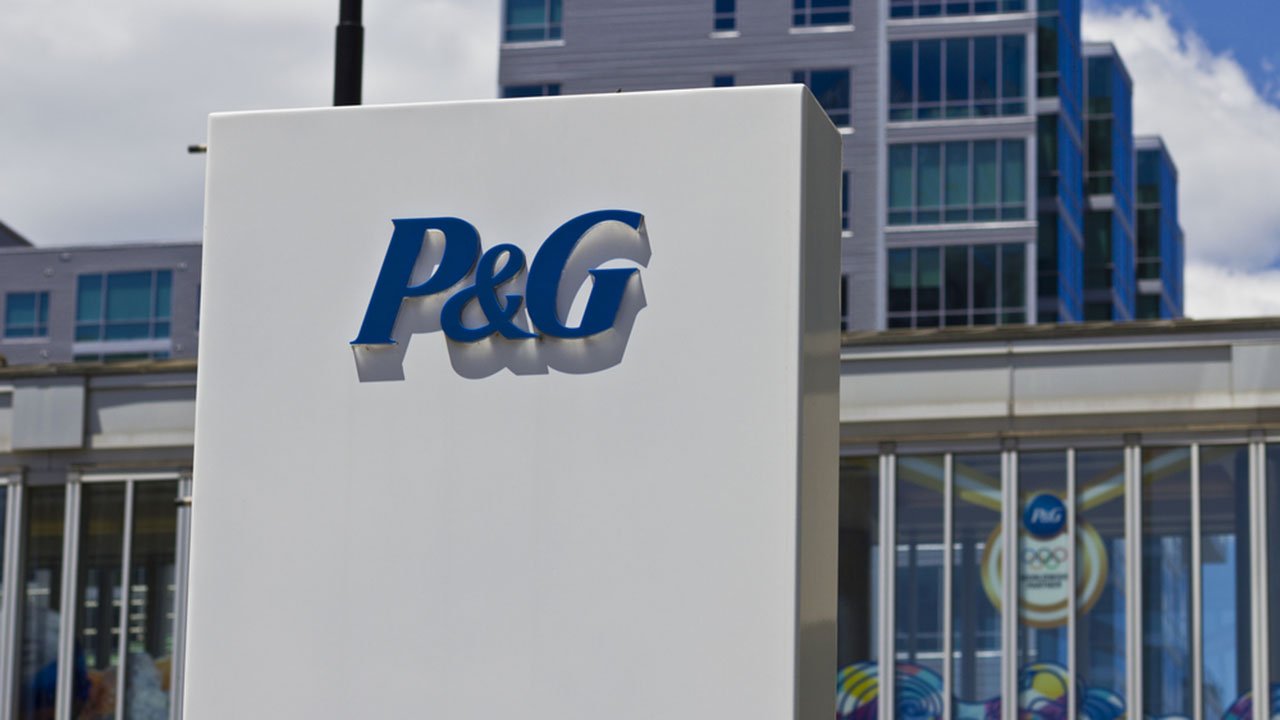
Procter & Gamble, the world’s largest personal care and household products company, announced in December 2023 that it would cease operations in Nigeria after three decades. The company transitioned to an import-only model, effectively dissolving its physical presence in the country. P&G cited macroeconomic challenges including foreign exchange and currency issues, inflation, and an unfavourable business environment as reasons for the departure.
Shoprite Holdings (2021)
Shoprite, Africa’s largest food retailer, sold its Nigerian operations in 2021 after 15 years in the country. The company’s 25 outlets in eight states were acquired by a group of local investors led by property firm Persianas Investment. The buyer intended to shift the giant from an ownership model to a franchise one. Supply-chain disruptions and difficulties repatriating funds were cited as factors behind the exit.
About The Author





Leave a comment