






Nigeria, Ghana, Côte d’Ivoire, Cameroon Form Alliance to End Raw Cocoa Exports
 West Africa WeeklyJuly 15, 20263 Mins read1.2k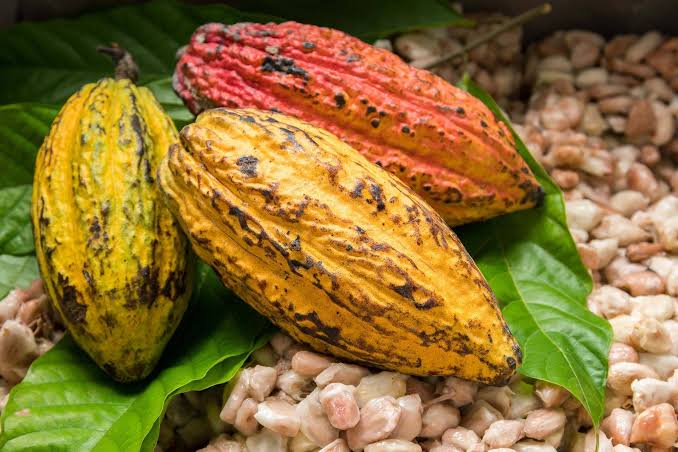
Nigeria, Ghana, Côte d’Ivoire and Cameroon have signed the Abuja Declaration, forming an alliance that aims to end the exports of raw cocoa beans and negotiate with international buyers as a single bloc controlling about 75 percent of global production. The four countries signed the declaration on Tuesday at the 2026 cocoa value addition summit in Abuja, where governments, financiers and industry players unveiled plans to shift Africa from exporting raw cocoa beans to processing and branding finished products.
President Bola Tinubu, represented by Agriculture Minister Abubakar Kyari, declared that Nigeria would no longer export raw beans while importing finished chocolate products. “We will grind our beans at home, we will press our butter at home, we will make our chocolate at home, brand it at home and sell it to the world on our own terms,” the president said. Tinubu said investors are building a 70,000-tonne cocoa processing facility in Sagamu, Ogun State, which he described as the largest in the country’s history, and noted that Nigeria’s installed cocoa grinding capacity now exceeds 120,000 tonnes annually.
Minister of State for Industry John Owan Enoh said the alliance would help cocoa-producing countries capture a greater share of the global chocolate market, valued at over $130 billion. “We are not interested in exporting anonymous sacks anymore. We are interested in exporting value,” he said. Ransford Abbey, CEO of the Ghana Cocoa Board, noted that Africa produces between 75 and 77 percent of the world’s cocoa but receives less than 10 percent of the value generated by the global chocolate industry. “We do not need charity. We deserve equity. The time has come for Africa to process its own wealth, protect its farmers and negotiate with one voice in the global cocoa market,” Abbey said.
A Familiar Pattern of Grand Promises
But for Nigerians who have watched the Tinubu administration’s history of policy announcements without follow-through, the declaration carries a familiar ring. The president who promised free education and student loans now promises a cocoa revolution. The president whose government tried to hike WAEC and NECO fees to N50,000 before public outcry forced a suspension now promises to build a $1 trillion economy through cocoa processing. The pattern is unmistakable. Grand promises to win applause. Ceremonial signings to create the illusion of progress. And then, silence.
READ MORE: Tinubu Claims New Roads Will Last 50 to 100 Years, But Nigerians Have Heard This Before
The numbers themselves raise questions. Bank of Industry Managing Director Olasupo Olusi disclosed that although Nigeria produces more than 300,000 tonnes of cocoa annually, only about 50,000 tonnes of its installed grinding capacity is currently utilised. That means less than half of the capacity Tinubu boasts about is actually being used. The government has not explained how it plans to bridge this gap or what incentives it will offer to attract the private investment needed to make the cocoa revolution a reality.
Then there is the question of the farmers. More than 300,000 Nigerian farming families cultivate cocoa across over 1.4 million hectares. They have been promised better prices, better lives and better futures by every administration since independence. They are still waiting. The Abuja Declaration is a piece of paper. The farmers need seeds, fertilisers, access to credit and a government that does not treat them as an afterthought.
Meanwhile, the same administration that now champions value addition has shown little interest in adding value to the lives of ordinary Nigerians. The same government that promises to grind cocoa at home has made it harder for Nigerian students to afford education. The same government that promises to brand chocolate for the world has failed to brand itself as anything other than a collection of broken promises.
Nigerians have heard this before. They have heard the speeches. They have seen the signings. They have watched the promises gather dust. The Abuja Declaration may be a step in the right direction. But until the Tinubu government demonstrates a genuine commitment to implementation, until it shows that it can do more than talk, until it proves that it cares about the farmers as much as it cares about the photo opportunities, Nigerians are entitled to remain skeptical. The cocoa revolution will not happen because of a declaration. It will happen because of action. And on that front, this administration has a long way to go.
About The Author

Related Articles
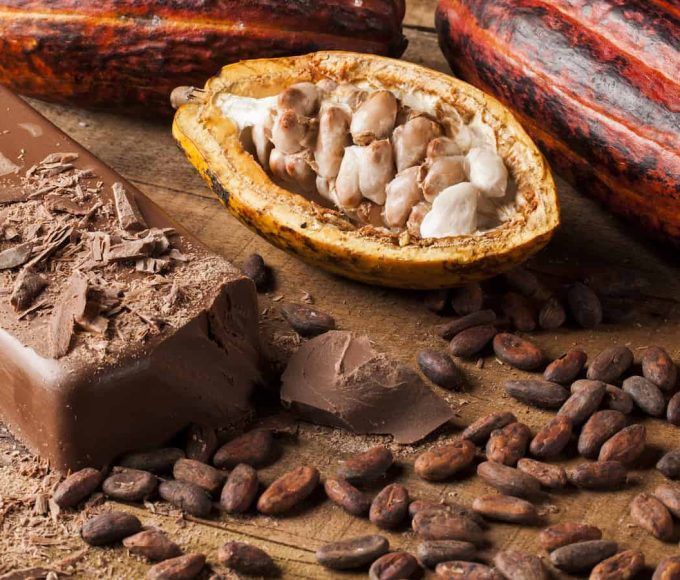
Ghana Borrows $288 Million at 11% to Pay Cocoa Farmers After Delayed Purchases
Ghana’s cocoa regulator has been forced to borrow 3.39 billion cedis, about...
Nigeria Grows 2.3 Million Tonnes of Tomatoes and Still Spends $360 Million Importing Paste
Nigeria is Africa’s second-largest tomato producer. The country grows about 2.3 million...

Ghana Traders Question New Defence Deal with Burkina Faso Over Security Concerns
The Ghana National Tomatoes Traders and Transporters Association has expressed skepticism about...

Ghana Cocoa Farmers Push Back Against New Law That Could Jail Them for Using Their Own Land
Ghanaian cocoa farmers are pushing back against a newly passed law that...
Leave a comment