




Burkina Faso Takes Full State Control of $68 Million Gold Mine, Marks Shift Away from Foreign Miners
 West Africa WeeklyJuly 13, 20262 Mins read994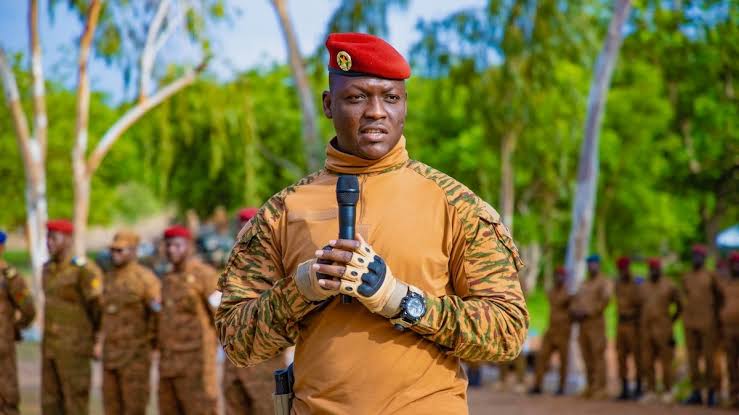
Burkina Faso’s military-led government has granted an industrial mining permit to its state-owned mining company, SOPAMIB, for the development of the Bouboulou gold project, marking the country’s first state-operated industrial gold mine.
The decision, approved at the Council of Ministers’ weekly cabinet meeting on Thursday, July 9, 2026, grants the mining permit to SOPAMIB Bouboulou S.A., a subsidiary of SOPAMIB. The move represents a decisive break from decades of reliance on Western and private corporations to extract the country’s mineral wealth.
Located in the north-central Yako commune, the Bouboulou mine contains an estimated 10.77 million tonnes of ore. Authorities expect total gold production to reach approximately 7.27 tonnes over a 15-year mine life. The project will require an investment of more than 32 billion CFA francs (about $56.1 million) and is expected to generate nearly 39 billion CFA francs (approximately $68.4 million) in direct government revenue through fees and taxes, excluding dividends. The mine is also expected to create and sustain more than 1,200 direct and indirect jobs.
Mines Minister Yacouba Zabre Gouba described the framework as a “structural revolution” because it deliberately breaks away from legacy concessions that left domestic mineral processing in private hands. He said the project represents a major shift in Burkina Faso’s mining policy, with the state becoming a direct industrial operator rather than relying solely on private concessionaires.
The Bouboulou concession was previously subject to typical private-led exploration frameworks common under former administrations. Foreign junior mining firms, notably Canada’s Nexus Gold Corp, previously held the exploration permits to map out and test the gold-rich trends across the property. Under that traditional concession model, foreign private entities retained full operational control over project development while the Burkinabè state was relegated to collecting minor royalties and holding non-controlling equity stakes. Since assuming leadership, Captain Ibrahim Traoré has focused on rewriting resource management laws to keep resource wealth within local borders.
This operational pivot reflects the core economic philosophy of the Traoré administration, which prioritises pan-African self-reliance alongside strict local content mandates. By revitalising SOPAMIB, an entity that sat largely inactive following its establishment in 2014, the government is systematically substituting international dependence with state-backed capacity. The strategy ensures that resource profits are channeled back into civic infrastructure, regional security initiatives, and community development programmes. The trajectory mirrors a broader shift across the Sahel, where neighbouring countries including Guinea are steadily empowering their state enterprises to secure equitable shares of national mineral output.
About The Author


Related Articles
Congo’s Former President Kabila Forms New Rebel Coalition With M23 to Oust Government
Former Congolese President Joseph Kabila has launched a new political-military coalition with...
Ukraine Woos Ghana to Help Return Children Abducted by Russia as War Rages On
Ukraine is pressing Ghana to join its international campaign to reunite children...
EKEDC Slams N181,000 Back Charge on Customers After Billing Error, Operations Manager Tells Residents to Do Their Worst
An Eko Electricity Distribution Company customer has accused the company of imposing...

Traoré’s Two Books Raise CFA 125 Million for Burkina Faso’s Patriotic Support Fund
Two books centred on the actions and vision of Burkina Faso’s military...
Leave a comment