






Guinea Bans Unrefined Gold Exports in Push for Local Processing, Following Zimbabwe’s Lithium Move
 West Africa WeeklyJune 22, 20261 Mins read805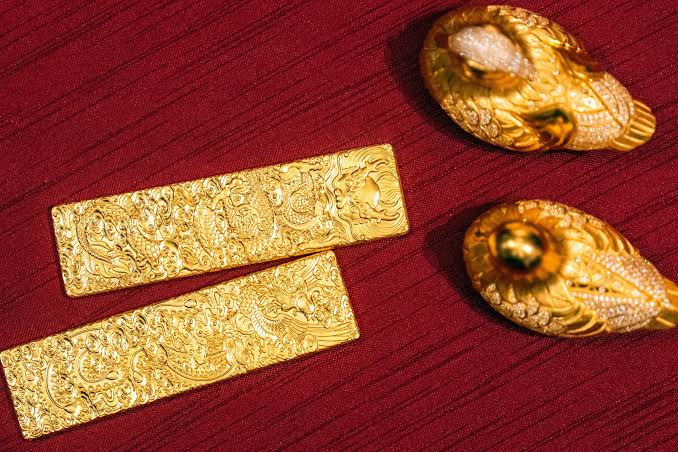
Guinea has imposed a ban on the export of unrefined gold, joining a growing list of African nations seeking to extract greater value from their natural resources by forcing local processing before shipments leave the country.
President General Mamady Doumbouya announced the policy after consultations with industrial and artisanal gold producers as well as traders active in the West African nation. “Guinea possesses the second largest gold reserves in West Africa, but its gold leaves the country daily in raw form to be processed, certified, and sold elsewhere,” Doumbouya said during the meeting, which was broadcast by state-owned Radio Télévision Guinéenne. “From today, I put an end to this practice: Guinea will require its gold to be processed within its borders. Raw gold will no longer leave Guinea,” he added.
Under the new rules, gold may only be sold overseas once it has been processed into ingots at a newly built facility in the capital, Conakry. Any operator who continues to export raw gold will face license suspension and termination of their mining contract, the president warned.
READ MORE: Ghana Records Africa’s Highest Lending Rate Despite Sharp Policy Rate Cuts, AfDB Report Shows
Guinea, already a major global supplier of bauxite, also holds substantial gold reserves mined by two semi-industrial enterprises, hundreds of artisanal miners, and industrial corporations including Société Aurifère de Guinée, a subsidiary of AngloGold Ashanti. Together, these businesses exported 22,142 kilogrammes of gold in the first quarter of this year, according to data from the Ministry of Mines and Geology.
The move mirrors Zimbabwe’s ban on lithium exports announced earlier this year. Zimbabwe’s Mines Ministry announced the immediate and indefinite suspension of lithium concentrate exports, citing continued malpractices during mineral exports and a commitment to in-country value addition and beneficiation. The ministry said the review was part of a broader effort to curb leakages and enhance efficiency within its systems.
Guinea’s decision adds to a continental trend where resource-rich nations are increasingly restricting raw mineral exports to promote domestic processing industries, create jobs and capture more value from their natural wealth before products reach international markets.
About The Author



Related Articles
Gambian Businesses Struggle Under Prolonged Blackouts as Anger Mounts Ahead of December Election
Gambian businesses are collapsing under the weight of prolonged power cuts that...
Ghana Cuts Fuel Exports to Burkina Faso and Mali to Protect Its Own Supply
Ghana’s state-owned fuel distributor BOST Energies has reduced diesel and gasoline exports...
French Troops in Abidjan While Russian Tanks Roll Through Sahel, X User Sparks Fresh Debate on Foreign Influence in West Africa
A social media post by X user De Black Star (@niq_black) has...


Niger Settles $7.6m Debt With UK Aviation Firm to Save $35m New York Mansion From Seizure
The government of Niger has settled a long-running dispute with Menzies Aviation,...
Leave a comment