



Libya’s Eastern Government Bans Entry for Citizens of Sudan, Eritrea, Ethiopia and Somalia
 West Africa WeeklyJune 25, 20261 Mins read585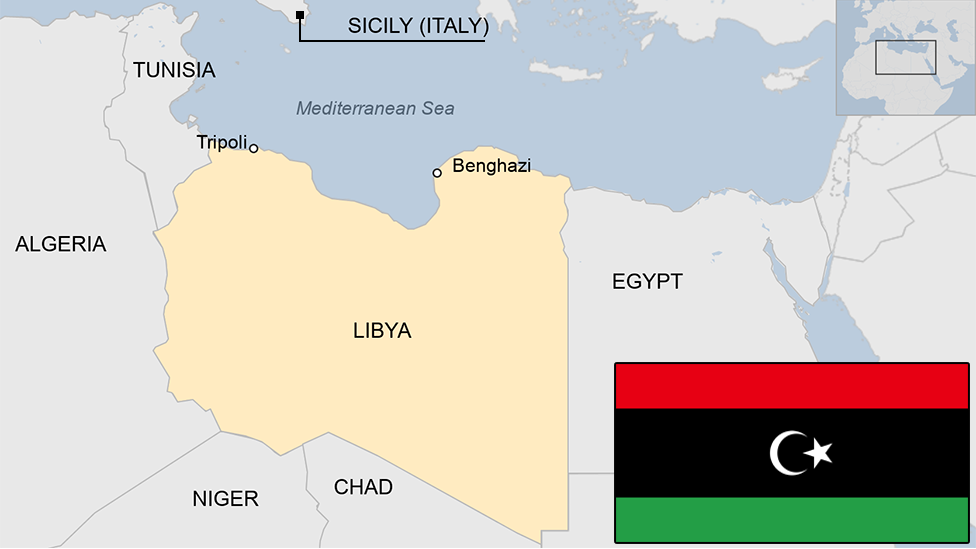
The eastern-based government of Libya has imposed a ban on the entry of nationals from four African countries, a decision officials say is aimed at reorganising the entry of foreign nationals into the country.
The decree, issued on Tuesday by the parallel government in Benghazi, Libya’s second-largest city, prohibits citizens of Sudan, Eritrea, Ethiopia and Somalia from entering Libyan territory through all land, sea and air ports. The Benghazi-based government of Osama Hamad is allied to military commander Khalifa Haftar, who controls the east and large areas of southern Libya. The internationally recognised government of Abdulhamid Dbeibah is based in Tripoli in the west.
Exemptions to the ban will be made for diplomats and workers in the health and education sectors, provided they obtain the necessary approvals and valid work contracts from relevant authorities.
Observers say the move is likely meant to stem the influx of migrants seeking to set off for Europe from Libya’s northern coast, a key departure point for North African migrants trying to reach European shores. Smugglers typically pack migrants into small and unsafe boats, with thousands dying during the perilous sea journey.
Tensions have risen in recent months in both eastern and western Libya against the resettlement of refugees from other countries, with mass crackdowns on refugees and thousands arrested, according to Amnesty International. In early June, Libyan protesters stormed a UN mission office west of Tripoli over reports of migrant resettlement in the country.
According to the United Nations, there are more than 900,000 migrants and refugees in Libya, with Sudanese being the largest group. Many of these migrants are vying for Europe, but boats are regularly intercepted and sent back to Libya, where they are held in government-run detention centres known for abuses including forced labour, beatings, rapes and torture. UN-commissioned investigators have said these practices amount to crimes against humanity.
Libya has been in chaos since the NATO-backed toppling of dictator Muammar Gaddafi in 2011. Factional conflict has split the country since 2014, leaving it divided between rival governments in the east and west.
About The Author



Related Articles
Niger Introduces Prior Declaration for Large Cash Transports in Anti-Terrorism Push
Niger’s government has announced new rules requiring a prior declaration for the...
Umahi Turns Rehabilitated Niger Bridge Into Tinubu Campaign Billboard, Campaigns for APC Votes as Commuters Count Losses
The First Niger Bridge is set to reopen next week after a...
World Bank Pledges $25m for Nigeria’s $300m Off-Grid Power Fund, Leaving $275m Unaccounted For
The World Bank has committed an initial $25 million to Nigeria’s newly...

From Yemen’s Khat Fields to Nigeria’s Gold Mines, Dehumanisation Fuels a Shared Drug Crisis
A social media post about Yemen’s khat addiction has sparked a conversation...
Leave a comment