






Zimbabwe Adds Its Name to a Growing List of African Countries Including Benin, Chad, Uganda, Rwanda, Cameroon and Egypt That Have Extended Presidential Terms
 West Africa WeeklyJune 19, 20262 Mins read755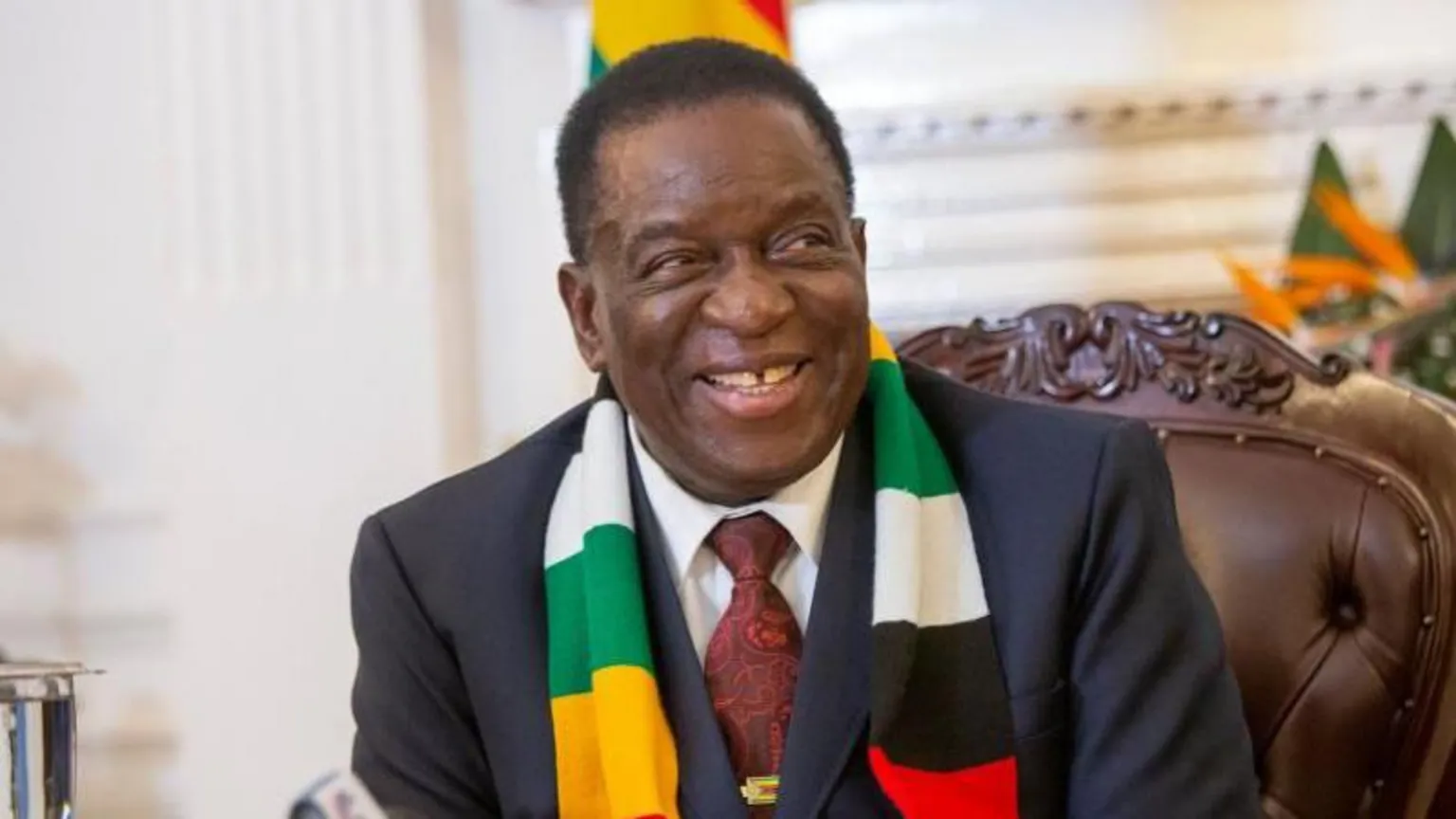
Zimbabwe’s lower house of parliament has passed a bill extending presidential terms from five to seven years, a move that would allow 83-year-old President Emmerson Mnangagwa to remain in power until 2030. The legislation, which passed with 216 votes against 42, also scraps direct presidential elections. Future presidents will instead be chosen by parliament.
The bill now heads to the senate for expected approval before being enacted by the president. Opposition parties, civil society groups and constitutional lawyers have argued that such fundamental changes should be put to a national referendum rather than being approved solely through parliament. Zimbabwe’s 2013 constitution restricted presidents to two terms and explicitly stated that any extension would require voter approval in a referendum and that a sitting president could not benefit from such an extension. The Constitutional Court dismissed a legal challenge seeking to block the bill on Wednesday.
Zimbabwe is far from alone. Across Africa, a growing number of nations have amended constitutions to extend presidential terms or remove term limits entirely, a trend critics describe as democratic backsliding.
Benin lawmakers approved a constitutional amendment in November 2025 extending presidential terms from five to seven years while maintaining a two-term limit.
Chad’s parliament adopted reforms in October 2025 extending presidential terms from five to seven years and removing term limits entirely. President Mahamat Déby, who took power after his father’s three-decade rule ended in 2021, stands to benefit.
READ MORE: Nigeria’s Revenue Surges 49% as Poverty Hits 63%, Exposing Deep Economic Contradiction
Uganda has amended its constitution twice, first removing presidential term limits in 2005 and then abolishing the presidential age limit in 2017, allowing 81-year-old President Yoweri Museveni to seek extended rule. He was endorsed as the ruling party’s candidate for the 2026 presidential election.
Rwanda voted in a 2015 referendum to lift the two-term limit, allowing President Paul Kagame to potentially remain in power until 2034.
Cameroon’s parliament revised the constitution in 2008, scrapping presidential term limits altogether.
Egypt approved constitutional amendments in 2019 extending the presidential term from four to six years, with a transitional clause allowing President Abdel Fattah El-Sisi to potentially remain in office until 2030.
What makes Zimbabwe’s case particularly striking is the simultaneous abolition of direct presidential elections, a feature that sets it apart even among its peers. While other African nations have extended terms or removed limits, Zimbabwe is replacing popular presidential votes with parliamentary selection, a move opponents warn could fundamentally weaken democratic accountability.
With some of the world’s oldest leaders governing its youngest populations, Africa’s third-term movement shows no signs of slowing. As Zimbabwe’s bill moves toward enactment, it joins a growing roster of nations where constitutional amendments have become the preferred tool for entrenching executive power.
About The Author



Related Articles
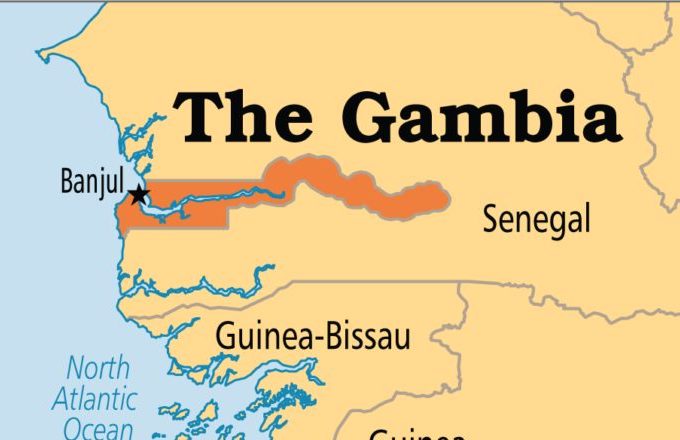
Gambian Businesses Struggle Under Prolonged Blackouts as Anger Mounts Ahead of December Election
Gambian businesses are collapsing under the weight of prolonged power cuts that...
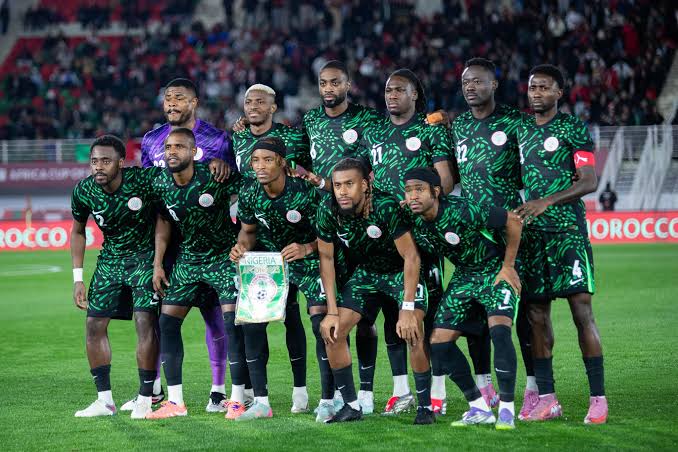
Chelle Names Osimhen, Lookman, Ndidi in 24-Man Super Eagles Squad for 2027 AFCON Qualifiers
Super Eagles head coach Éric Chelle has unveiled a 24-man squad for...

Ghana Cuts Fuel Exports to Burkina Faso and Mali to Protect Its Own Supply
Ghana’s state-owned fuel distributor BOST Energies has reduced diesel and gasoline exports...


ASUU Strike Threatens to Shut Down Federal Universities as Nigerians Accuse Media of Ignoring the Crisis
The Academic Staff Union of Universities is on the verge of a...
Leave a comment