






Zimbabwe Overtakes Nigeria as Africa’s Best-Performing Stock Market
 West Africa WeeklyAugust 4, 20262 Mins read487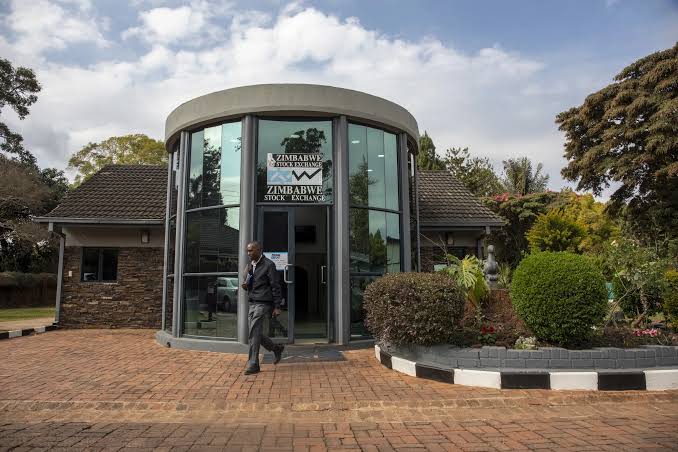
Zimbabwe ended July 2026 as Africa’s best-performing equity market, overtaking Nigeria after months of sustained gains driven by easing inflation, a more stable domestic currency, and renewed investor appetite for local equities. The Zimbabwe Stock Exchange (ZSE) returned 68.5 percent in US dollar terms year-to-date as of July 31, the highest among the 17 African exchanges tracked by African Markets, a real-time market intelligence platform. Nigeria followed closely with 66.9 percent, while Ghana posted 57.6 percent, Tunisia recorded 46.3 percent, and Tanzania recorded 40.5 percent. Malawi, which topped Africa’s performance rankings last year, has slipped into negative territory with a 15.9 percent decline.
Nigeria had dominated the continent’s stock market performance rankings for much of 2026, buoyed by banking-sector gains, a stable naira and improving macroeconomic sentiment, before Zimbabwe overtook it in the last week of July. With an all-share index at a two-year high of 480.8, Zimbabwe is among the lowest in terms of index value, but the rally reflects a broader resurgence in African equities. According to Mansa Markets, 11 of the 17 African stock indices it tracks are outperforming the S&P 500’s 9.3 percent return in dollar terms this year, highlighting renewed investor appetite for frontier markets.
The biggest catalyst behind Zimbabwe’s ascent has been its dramatic disinflation. Annual inflation slowed to 3.2 percent in July, marking the third consecutive monthly decline and the lowest reading since June 2018. Just a year earlier, inflation stood at 95.8 percent, underscoring the scale of the country’s macroeconomic turnaround. In January, the gold-rich nation recorded single-digit inflation for the first time since 2018. The introduction of the gold-backed Zimbabwe Gold (ZiG) currency in 2024 has helped restore confidence by reducing the extreme volatility that had plagued financial markets. That stability allowed the Reserve Bank of Zimbabwe in June to cut its benchmark lending rate by 500 basis points to 30 percent, its first policy adjustment since introducing the ZiG.
The clearest sign that confidence is improving is the return of foreign investors. Erratic economic policies, hyperinflation and currency instability had discouraged international investors from Zimbabwe for years. But foreign participation on the ZSE rose to 26.5 percent in the second quarter from 15.4 percent in the previous quarter, while the value of foreign trades surged 153.9 percent to ZiG743.6 million ($27.7 million). Although foreign participation remains below the more than 40 percent recorded during the early 2010s, the rebound shows that international investors are gradually rebuilding exposure to Zimbabwean equities.
The recovery has also been supported by reforms aimed at deepening Zimbabwe’s capital markets. In April, authorities simplified the migration process between the ZSE and the US dollar-denominated Victoria Falls Stock Exchange (VFEX), making it easier for companies to shift listings and attract offshore capital. The VFEX has overtaken the ZSE in market capitalisation as companies increasingly migrate to the dollar-denominated bourse. Analysts say the VFEX’s structure has become one of its biggest competitive advantages, providing investors with a natural hedge against local currency risk. Investor sentiment has also been supported by elevated gold prices and the ongoing tobacco marketing season, which continues to inject dollar liquidity into the economy.
Unlike previous rallies, the latest gains have been supported by stronger corporate fundamentals. Mining companies, financial institutions, telecommunications firms and consumer businesses have benefited from improving macroeconomic conditions, while export-oriented firms have attracted investors seeking exposure to hard-currency earnings. That marks a significant shift from Zimbabwe’s recent past, when equities rose largely because investors sought protection from inflation and currency depreciation.
Despite becoming Africa’s top-performing stock market, Zimbabwe’s equity market remains relatively small, with a market capitalisation of roughly $4.1 billion and just over 60 listed companies. Liquidity remains relatively thin, while the long-term success of the ZiG will depend on continued fiscal and monetary discipline. For now, however, Zimbabwe’s emergence at the top of Africa’s equity rankings signals more than just another market rally. It suggests that sustained macroeconomic stabilisation, improving investor confidence and reforms to deepen capital markets are beginning to reshape one of Africa’s most volatile financial markets into one of its most compelling investment stories.
About The Author



Related Articles
Gambian Businesses Struggle Under Prolonged Blackouts as Anger Mounts Ahead of December Election
Gambian businesses are collapsing under the weight of prolonged power cuts that...

Chelle Names Osimhen, Lookman, Ndidi in 24-Man Super Eagles Squad for 2027 AFCON Qualifiers
Super Eagles head coach Éric Chelle has unveiled a 24-man squad for...
Ghana Cuts Fuel Exports to Burkina Faso and Mali to Protect Its Own Supply
Ghana’s state-owned fuel distributor BOST Energies has reduced diesel and gasoline exports...


ASUU Strike Threatens to Shut Down Federal Universities as Nigerians Accuse Media of Ignoring the Crisis
The Academic Staff Union of Universities is on the verge of a...
Leave a comment